Some of South Africa's most memorable meals begin long before the food reaches the kitchen.
They begin in vineyards, orchards, vegetable gardens, olive groves, dairies and livestock farms. The climate, soil and farming traditions of each region influence what is available and how it reaches the plate.
That makes farm-to-table dining particularly interesting for travellers.
Rather than treating a restaurant as a stop between attractions, a food experience can provide another way to understand a destination. A menu based on local produce can tell you something about the season, the surrounding agriculture and the people producing food in that area.
South Africa's varied farming regions provide plenty of opportunities to make food part of the trip.
The Cape Winelands Offers an Easy Starting Point
Stellenbosch, Franschhoek and Paarl are obvious destinations for travellers interested in the connection between farming and food.
Wine estates have helped turn the Cape Winelands into one of the country's best-known culinary regions, but the experience extends well beyond wine.
Vegetable gardens, orchards, olive products, locally produced cheeses and regional meats frequently contribute to menus across the area.
Many restaurants are situated directly on working farms or estates, placing diners within the agricultural setting that shapes the meal.
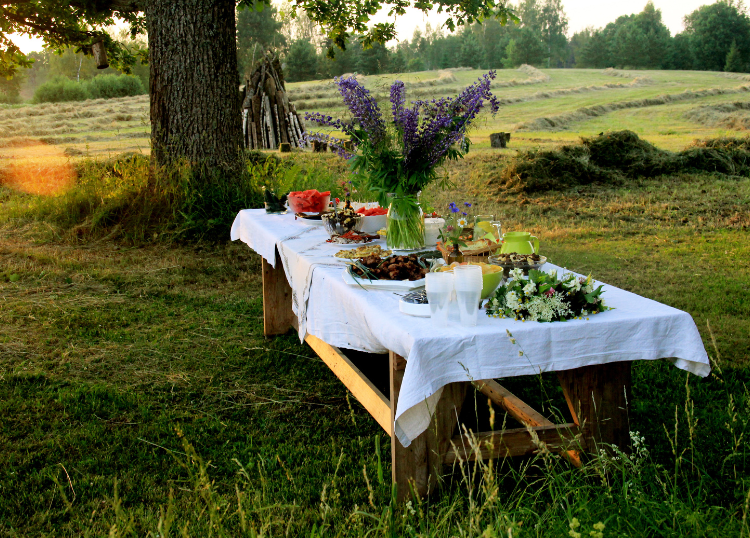
The result can be particularly enjoyable during a relaxed day trip. Instead of trying to visit several attractions, travellers can spend time on one estate, walk through the grounds and have a long lunch surrounded by the landscape.
Stellenbosch Combines Agriculture and Dining
Stellenbosch is particularly convenient because its food experiences are spread across town, wine estates and surrounding farms.
The area's established agricultural economy means restaurants can draw on a strong network of local growers and producers.
Seasonal menus make sense here.
Summer may bring stone fruit, tomatoes and other warm-weather produce, while cooler months create different possibilities.
Travellers interested in farm-based dining should look beyond the menu itself.
Ask whether produce is grown on the property, sourced from neighbouring farms or selected from regional suppliers. The answer can provide a better picture of how closely the restaurant is connected to its surroundings.
Franschhoek Makes Food Part of the Destination
Franschhoek has long been associated with restaurants and wine tourism.
Its compact valley setting makes it relatively easy to combine several food-related experiences within one trip.
Visitors can spend the morning at a farm or estate, have lunch overlooking vineyards and leave time for local producers or shops later in the day.
The area works well for travellers who want food to be a central part of the itinerary rather than something arranged around sightseeing.
As with any popular food destination, booking ahead can be sensible, particularly for weekend lunches and during busy holiday periods.
The Overberg Brings Farms Closer to the Coast
The Overberg offers a different agricultural character.
Wheat fields, livestock farms, orchards and smaller rural towns create a food environment that feels distinct from the Winelands.
Travellers moving between Cape Town, Hermanus, Stanford and surrounding areas can find farm stalls, country restaurants and producers along the way.
This is a good region for slowing down.
Instead of driving directly to the final destination, allow time for roadside farm stops and smaller towns.
Farm-to-table travel does not always require a formal tasting menu. Fresh bread, local cheese, preserves or a simple meal made from regional ingredients can provide just as much connection to place.
Elgin Is Shaped by Orchards
Elgin is known for its cool climate and extensive fruit farming.
Apple and pear orchards form a major part of the valley's visual character, making the agricultural setting difficult to separate from the visitor experience.
The area is close enough to Cape Town for a day trip but works equally well as part of a weekend.
Food experiences can be combined with cycling, walking, farm stays and other outdoor activities.
For travellers interested in seasonality, orchard regions are particularly interesting because the landscape visibly changes throughout the year.
The food available locally may change with it.
The Karoo Offers a Different Kind of Farm-to-Table Experience
The Karoo's food identity is strongly connected to its climate and farming traditions.
This is not a region of lush vegetable gardens stretching endlessly across the countryside.
Its appeal lies partly in the relationship between food and a dry, demanding environment.
Sheep farming is closely associated with many parts of the Karoo, while preserves, baked goods and traditional dishes often form part of local menus.
Small towns such as Prince Albert can make useful bases for travellers interested in regional food alongside architecture, scenery and local history.
The strongest experiences often feel grounded in the place rather than designed around a generic idea of rural dining.
Route 62 Adds Food to the Road Trip
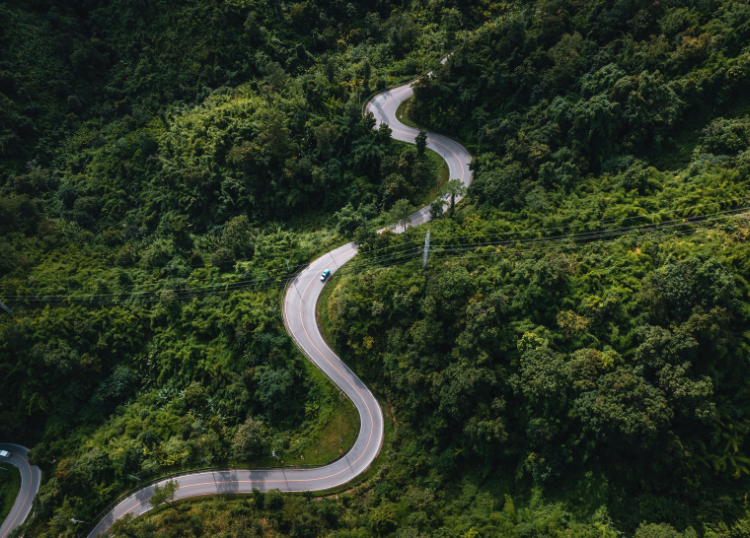
Route 62 passes through several agricultural areas and small towns, making it well suited to travellers who prefer food experiences spread across a journey.
Farm stalls, wineries, fruit-growing areas and country restaurants can become natural stops along the route.
The advantage of this kind of trip is variety.
One day might include produce from a fertile valley, while the next moves into a much drier landscape with different farming traditions.
Leave flexibility in the itinerary.
Some of the most enjoyable stops on rural routes are places that deserve more time than expected.
The Garden Route Combines Farms, Forests and Coastal Produce
The Garden Route is usually associated with beaches, forests and outdoor activities, but food can easily become part of the trip.
The wider region contains farms, markets, dairies, bakeries and restaurants drawing from both agricultural and coastal surroundings.
Travellers can combine inland producers with meals closer to the coast.
This creates a broader interpretation of local food.
A farm-to-table trip does not need to exclude seafood or other products simply because they do not come from a traditional farm. The broader idea is to understand where food comes from and shorten the distance between producer, kitchen and diner where practical.
The KwaZulu-Natal Midlands Has a Strong Food Route Character
The Midlands is one of KwaZulu-Natal's most appealing regions for a food-focused road trip.
Rolling farmland, small producers, restaurants and country accommodation make it easy to turn eating into part of the day's activities.
Cheese, baked goods and locally produced food can sit alongside craft businesses and outdoor attractions.
The countryside itself contributes to the experience.
A meal overlooking farmland feels different from eating the same food in an urban restaurant because the connection with the source is more visible.
The Midlands also suits travellers who prefer browsing several smaller stops rather than committing to a single formal dining experience.
Farm Stalls Can Be Part of the Experience
Farm-to-table travel does not have to mean expensive restaurants.
Farm stalls are one of the easiest ways to encounter regional produce.
Depending on the area and season, they may sell fruit, vegetables, preserves, bread, cheese, meat products and locally made pantry goods.
Some have grown into substantial visitor destinations with restaurants and shops, while others remain simple roadside businesses.
Both can be worthwhile.
For road trips, a farm stall can also provide ingredients for a picnic or self-catering stay, allowing local food to become part of meals beyond restaurants.
Farmers' Markets Offer Access to Several Producers
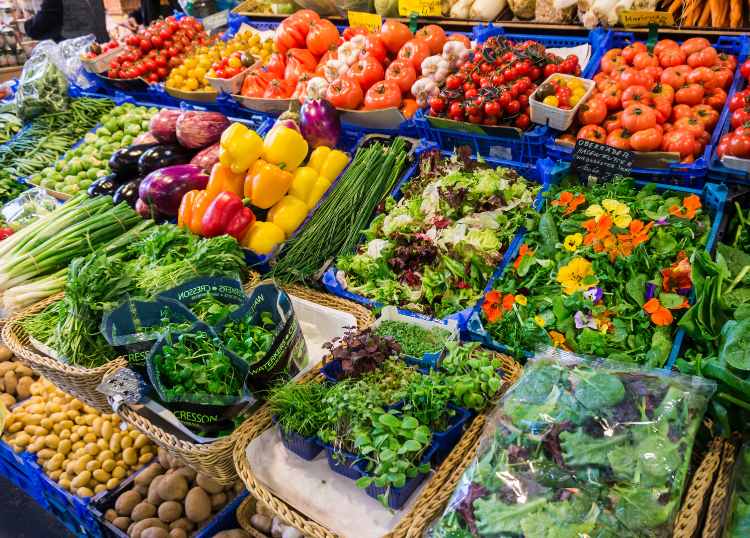
A good farmers' market brings multiple producers together in one place.
This can be useful when travellers have limited time.
Instead of visiting several farms individually, visitors can speak to growers, bakers, cheesemakers and other producers during a single morning.
Markets also provide an opportunity to ask where products come from and how they are made.
Not every market marketed as "local" consists entirely of nearby producers, so it is worth looking at the individual stalls rather than relying only on the name.
The most interesting markets usually make the producer connection visible.
Seasonality Changes the Experience
Farm-based food is closely connected to the calendar.
Fruit harvests, vegetable availability and other agricultural cycles mean that the same destination can offer a different experience at another time of year.
That is part of the appeal.
A menu does not need to provide every ingredient throughout the year.
Restaurants that work closely with seasonal produce may change dishes as ingredients become available.
For travellers, this means there is value in asking what is currently in season rather than arriving with a fixed expectation of what should be on the menu.
Look for Genuine Connections With Producers
"Farm-to-table" can be interpreted broadly.
A restaurant on a farm does not necessarily grow everything it serves, and there is nothing inherently wrong with that.
Very few kitchens can produce every ingredient themselves.
What matters is transparency.
Some establishments grow a portion of their vegetables and source the rest from nearby producers. Others maintain relationships with specific farmers, dairies or growers.
A credible local food experience should be able to explain those connections without pretending that every ingredient came from metres away.
Farm Experiences Can Go Beyond the Meal
Some destinations allow visitors to see more of the production process.
Depending on the property, this might involve walking through a kitchen garden, visiting an orchard, learning about cheese production or seeing how olive products are made.
These experiences can add context to the meal.
They are also particularly useful for families because children can connect food with something tangible.
Seeing vegetables growing or fruit on a tree provides a very different experience from encountering the same ingredients only on a supermarket shelf.
Check ahead, as farm access and tours may be limited to certain times or require advance arrangements.
Stay Overnight When Food Is the Main Reason for Travelling
A day trip works well in regions close to major cities.
For more distant areas, an overnight stay can make the experience more relaxed.
Farm stays, guesthouses and small country hotels allow travellers to spend more time in the region without structuring the day around the drive home.
This is particularly worthwhile when a long lunch or dinner is central to the trip.
Staying locally also creates more opportunities to visit smaller producers the following morning.
Rather than treating the meal as a single destination, the entire weekend can revolve around the agricultural character of the area.
Final Thoughts
Farm-to-table travel provides a way to experience South Africa through the food its regions produce.
The Cape Winelands offers vineyards, gardens and established estate restaurants, while Elgin's orchards, the Overberg's farms, the Karoo's livestock traditions and the KwaZulu-Natal Midlands each provide a different connection between food and place.
The experience does not need to be elaborate.
A carefully prepared restaurant meal can be memorable, but so can buying bread and cheese from local producers or stopping at a farm stall during a road trip.
Pay attention to seasonality, ask where ingredients come from and leave enough time to enjoy the setting around the meal.
When food remains connected to the people and places that produce it, eating becomes more than a break in the itinerary. It becomes part of understanding the destination itself.