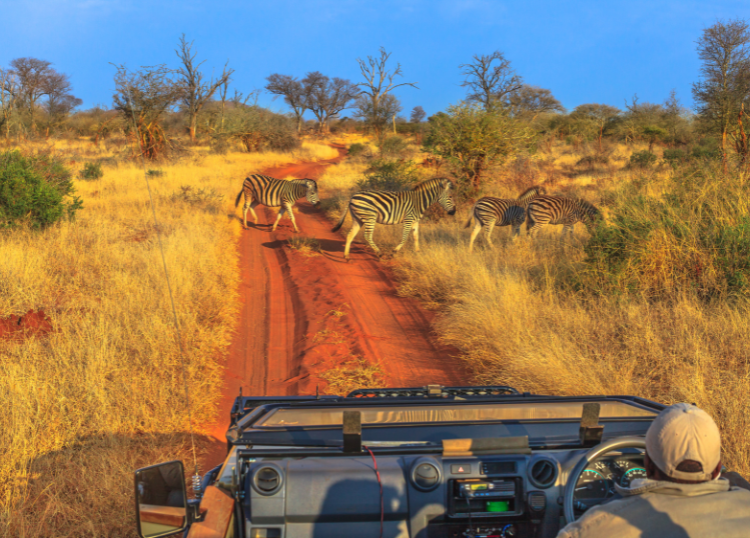

Adventure activities offer a different way to experience South Africa's landscapes.
From guided mountain hikes and zipline courses to river rafting, kayaking, rock climbing and other outdoor experiences, travellers have many options.
However, an attractive location and exciting photographs do not tell you everything about the company providing the activity.
Adventure tourism involves varying levels of physical effort, environmental exposure and risk.
Some activities depend on specialised equipment.
Others require guides who understand weather, terrain, water conditions or wildlife.
The operator's planning and safety procedures can make a substantial difference to the experience.
A reputable adventure provider should be able to explain what the activity involves, who it is suitable for and how risks are managed.
It should also provide clear information about costs, cancellation terms and participant responsibilities.
Choosing carefully does not mean expecting every possible risk to disappear.
Outdoor activities involve uncertainty.
The aim is to select a provider that understands those risks, communicates them appropriately and follows responsible operating practices.
Why the Choice of Adventure Operator Matters
Adventure operators are responsible for organising activities in environments that may be unfamiliar to participants.
They may provide guides, equipment, transport and access to specific locations.
Their decisions can influence participant safety and comfort.
A well-run activity should include suitable preparation and supervision.
The operator should also understand the limitations of the activity.
For example, a river rafting provider must consider water conditions.
A hiking guide needs to understand terrain and weather.
A zipline operator must manage equipment and operational procedures.
The quality of these arrangements matters more than promotional claims.
Start With the Type of Adventure Activity
Different activities require different skills and safety measures.
A guided nature walk is not the same as technical rock climbing.
A calm-water kayaking trip differs from white-water rafting.
Before comparing providers, identify the activity you want to do.
Consider the expected level of physical effort.
Think about whether specialised equipment or previous experience is required.
The operator should clearly describe the activity.
This helps you compare companies offering genuinely similar experiences.
It also reduces the chance of booking something unsuitable.
Match the Activity to Your Experience Level
Adventure activities are often described as beginner, intermediate or advanced.
However, these terms may not have identical meanings across operators.
Ask what participants are expected to do.
Find out whether previous experience is necessary.
Consider whether the activity involves heights, swimming, climbing or long periods of walking.
A reputable provider should be willing to discuss suitability.
It should not pressure inexperienced participants into activities beyond their abilities.
Choosing an appropriate difficulty level is part of responsible adventure planning.
Check Whether the Business Is Established
A company's history can provide useful context.
Look for a consistent business identity.
Check whether the operator has a functioning website or other credible contact information.
Consider how long it has offered the activity.
However, age alone does not establish quality.
A newer business may operate responsibly.
An established company may still have weaknesses.
The important issue is whether the provider can demonstrate suitable systems, competent personnel and reliable communication.
Business history should be one part of the assessment.
Confirm the Operator's Identity
Before making payment, establish who is providing the activity.
A booking agent may advertise an experience operated by another company.
This is not necessarily a problem.
However, the relationship should be clear.
Ask for the name of the actual operator.
Confirm where the activity takes place.
Check which business is responsible for equipment, guides and safety procedures.
This is particularly important when booking through travel platforms or third-party sellers.
Knowing who will deliver the experience helps you ask the right questions.
Look for Relevant Registration and Compliance
Adventure tourism requirements vary according to the activity and location.
Some operations may require permits, permissions or other approvals.
Certain guiding roles may be subject to applicable registration requirements.
However, there is no single certificate that automatically establishes the safety of every adventure activity.
Ask which requirements apply to the specific experience.
The operator should be able to explain its compliance arrangements.
Be cautious about vague claims of being fully certified without identifying the relevant qualification or authority.
Compliance should be assessed in relation to the actual activity.
Check Guide Qualifications
Guides play an important role in managing adventure activities.
Their training should be appropriate to the environment and technical demands.
For example, a mountain guide may need different competencies from a rafting instructor.
Ask what qualifications the guides hold.
Consider whether the training is current and relevant.
A reputable operator should be able to explain its staffing standards.
Qualifications do not eliminate risk.
However, appropriate training supports better decisions, instruction and emergency response.
Experience Matters Alongside Qualifications
Formal qualifications are important, but practical experience also matters.
A guide should understand the local environment.
This may include seasonal weather, water conditions, terrain and access routes.
Experienced guides are often better placed to recognise changing circumstances.
However, experience should not be treated as a substitute for required training.
The strongest combination is relevant knowledge supported by appropriate qualifications and procedures.
Ask whether guides regularly operate in the specific area.
Local familiarity can be valuable during outdoor activities.
Ask About First-Aid Training
Adventure activities may take place far from immediate medical assistance.
Appropriate first-aid capability is therefore important.
Ask whether guides have relevant first-aid training.
The level of training should suit the activity and environment.
A short urban activity may present different challenges from a remote mountain excursion.
The operator should also have suitable first-aid equipment.
However, carrying a kit is not enough.
Personnel must know how to respond appropriately.
Emergency readiness should be considered before booking.
Understand the Operator's Safety Briefing
A safety briefing should prepare participants for the activity.
It may explain equipment use, expected behaviour and emergency instructions.
The content depends on the experience.
For a zipline, participants may need to understand harnesses and platform procedures.
For rafting, they may need instructions on what to do if they enter the water.
A reputable operator should allow time for questions.
Instructions should be clear and understandable.
Participants should not feel rushed into beginning before they understand the essential requirements.
Ask How Equipment Is Maintained
Some adventure activities depend heavily on specialised equipment.
This may include ropes, harnesses, helmets, flotation devices or climbing hardware.
The operator should have appropriate inspection and maintenance procedures.
Ask how equipment condition is checked.
Find out whether damaged items are removed from service.
Equipment should be suitable for the activity and participant.
However, visual appearance alone is not enough to establish safety.
A clean helmet or harness does not prove that it has been inspected correctly.
The operator's maintenance system matters.
Equipment Should Fit Participants Properly
Safety equipment must be appropriate for the person using it.
Harnesses, helmets and flotation devices come in different sizes and designs.
An operator should check suitability before the activity begins.
Participants should not be expected to make uncertain adjustments without guidance.
Ask whether equipment is available for different body sizes.
Weight or height restrictions may apply.
These limits should be communicated before booking.
Proper fit contributes to both safety and comfort.
Look for Clear Weight, Age and Height Restrictions
Adventure activities may have participation restrictions.
These can relate to equipment specifications, physical demands or operational safety.
For example, some zipline courses have minimum or maximum weight requirements.
Certain activities may not be suitable for very young children.
A reputable operator should state relevant restrictions clearly.
It should also explain why they apply when asked.
Be cautious if restrictions appear to change simply to secure a booking.
Safety limits should not be treated as negotiable marketing details.
Assess Physical Fitness Requirements
An activity may appear easy in promotional photographs while involving substantial physical effort.
Guided hikes can include steep climbs.
Kayaking may require sustained paddling.
Canyoning and climbing can involve demanding movement.
Ask about duration, distance and terrain.
Find out whether participants must carry equipment.
Consider the availability of rest stops.
A responsible provider should describe the physical requirements realistically.
This allows travellers to assess suitability before arriving.
Ask About Medical Conditions and Disclosure
Certain medical conditions may affect participation in particular activities.
The operator should explain any relevant health requirements.
Participants may be asked to disclose information necessary for safety.
However, personal health information should be handled responsibly.
Travellers should not assume that every condition automatically prevents participation.
Suitability depends on the activity and individual circumstances.
Where there is uncertainty, appropriate medical advice may be necessary.
A reputable operator should not make unsupported medical assurances.
Check Whether the Activity Is Suitable for Children
Families should ask specific questions before booking.
Age restrictions are only one consideration.
Children may also need sufficient physical ability, attention and confidence.
Some activities require a parent or guardian to accompany a child.
Others may provide modified experiences.
Ask about supervision ratios and equipment sizes.
Confirm whether children participate alongside adults.
A provider should be willing to explain how younger participants are accommodated.
An activity should not be selected solely because children are technically old enough to join.
Group Size Can Affect the Experience
Group size influences how much attention guides can provide.
A large group may be appropriate for some activities.
Other experiences require closer supervision.
Ask how many participants are usually included.
Find out how many guides or instructors accompany the group.
The suitable ratio depends on the activity, terrain and participant experience.
There is no universal number that applies to every adventure experience.
The operator should be able to explain how its staffing arrangements support safe participation.
Private Versus Shared Adventure Experiences
Some operators offer private bookings.
Others organise shared group activities.
A private experience may provide greater scheduling flexibility.
It may also allow more individual attention.
However, private bookings often cost more.
Shared activities can be sociable and economical.
The important question is whether the group arrangement suits the participants.
Check what is included in each option.
A higher price does not automatically indicate better safety or service.
Weather Policies Are Essential
Outdoor activities are affected by weather.
Strong winds, lightning, heavy rain and poor visibility can create hazards.
The relevant risks depend on the activity.
A reputable operator should have criteria for delaying, changing or cancelling an experience.
Ask who makes that decision.
Find out what happens if conditions are unsuitable.
Safety decisions should not be influenced by pressure to continue simply because participants have travelled far.
Weather flexibility is a sign of responsible operation.
How Operators Should Respond to Changing Conditions
Conditions can change after an activity begins.
A guide may need to shorten a route or return early.
Water levels may change.
Wind can increase.
Visibility may deteriorate.
The operator should have procedures for responding.
Participants should understand that the planned route or activity may be altered.
A reputable provider prioritises appropriate decisions over completing the advertised programme at any cost.
Flexibility is part of outdoor safety.
Emergency Procedures and Rescue Planning
Adventure operators should consider how emergencies will be handled.
The appropriate arrangements depend on the location and activity.
Ask whether the company has an emergency response plan.
Consider how guides communicate with support personnel.
Remote areas may have limited mobile coverage.
Some activities may require specialised rescue arrangements.
The operator should understand these limitations.
Emergency planning does not guarantee an immediate response, but it demonstrates that foreseeable problems have been considered.
Communication in Remote Areas
Remote adventure locations can present communication challenges.
Mobile reception may be unreliable.
Operators should understand how they will request assistance if necessary.
The appropriate communication equipment depends on the environment.
Ask how guides remain in contact with their base or emergency services.
Consider whether the activity involves long periods away from road access.
A reputable provider should explain its communication arrangements without making unrealistic promises.
Reliable planning is particularly important for remote hiking and wilderness activities.
Transport to and From the Activity
Some adventure experiences include transport.
Others require participants to drive to a meeting point.
Check the exact arrangements.
If transport is provided, ask who operates the vehicle.
Confirm pickup times and locations.
Consider whether the journey involves difficult roads.
For remote activities, vehicle suitability may be important.
Transport should be included in the overall safety and convenience assessment.
A well-run activity begins before participants reach the main adventure location.
Understand the Actual Duration
Promotional descriptions may refer to a two-hour or half-day experience.
However, the stated duration may include check-in, equipment fitting and transport.
Ask how much time is spent on the main activity.
Confirm the total time required.
This is important when planning several holiday activities.
A rafting excursion may involve transport to the river and time spent preparing equipment.
A guided hike may include rest stops and interpretation.
The duration should be described clearly enough for travellers to plan realistically.
Check the Activity Location
The advertised destination may not be the actual meeting point.
An operator may use a nearby town name for convenience.
However, the activity could begin some distance away.
Confirm the precise meeting location before booking.
Check road access and parking.
Consider whether the final approach requires a suitable vehicle.
For early departures, allow enough travel time.
Location details can affect both cost and convenience.
They should be clear before payment.
Read the Full Activity Description
Adventure listings sometimes focus on scenery and excitement.
However, practical details are equally important.
Look for information about duration, difficulty and equipment.
Check whether participants need to swim, climb or walk.
Ask whether there are sections involving heights or confined spaces.
The description should explain what participants will actually do.
If important details are missing, contact the operator.
A reputable provider should be comfortable giving straightforward answers.
Reviews Are Useful, but Read Them Carefully
Online reviews can help assess an adventure operator.
However, a high rating should not be the only deciding factor.
Read comments about guide behaviour, equipment and organisation.
Look for repeated patterns.
Recent reviews may be more relevant than older feedback.
Consider how the business responds to complaints.
Positive comments about scenery do not necessarily establish good safety practices.
Reviews should support a wider assessment rather than replace direct questions.
Look for Reviews That Mention Safety
Some reviews provide useful information about the way an activity was managed.
Participants may comment on safety briefings, equipment checks and guide instructions.
These details can be more informative than general praise.
However, reviews are personal accounts.
A positive experience does not prove that every safety procedure is adequate.
Likewise, one negative review may not represent normal operations.
Look for consistent themes.
Combine review information with direct questions about the operator's systems.
Recommendations From Local Accommodation Providers
Hotels, guesthouses and lodges may recommend adventure operators.
These suggestions can be useful.
Accommodation providers may know which businesses operate regularly in the area.
However, recommendations should still be assessed independently.
Some businesses may have commercial referral arrangements.
Ask why a particular operator is recommended.
Check qualifications, activity details and booking conditions yourself.
A recommendation can help identify options.
It should not replace basic due diligence.
Compare Operators Offering Similar Activities
When comparing companies, ensure that the experiences are genuinely comparable.
Two zipline tours may differ in length, number of lines and location.
Two guided hikes may involve very different terrain.
Rafting experiences can vary according to river conditions and difficulty.
Compare the activity description first.
Then assess guide arrangements, equipment, transport and price.
A lower fee may reflect a shorter or simpler experience.
A higher fee may include additional services.
The best comparison considers what is actually provided.
The Cheapest Operator Is Not Always the Best Value
Price matters, particularly when booking for a family or group.
However, a low rate should not be the only consideration.
An operator may include equipment, transport and refreshments.
Another may charge separately.
Guide qualifications and operational arrangements also matter.
A higher price does not automatically guarantee quality.
The aim is to understand what the fee covers.
Value should reflect the suitability, organisation and overall quality of the experience.
Check What Is Included in the Price
Before booking, ask for a clear breakdown.
Confirm whether equipment is included.
Check transport and entrance fees.
Ask about refreshments or meals.
Photography packages may cost extra.
Some activities require participants to purchase or hire additional items.
Compulsory charges should be identified before payment.
A transparent quotation makes comparison easier.
It also reduces the chance of unexpected expenses on arrival.
Insurance Questions Worth Asking
Adventure activities can involve injury and other risks.
Ask whether the operator carries relevant insurance.
The appropriate cover depends on the business and activity.
Public liability insurance may be one consideration.
However, the existence of insurance does not prove that the activity is safe.
It also does not necessarily cover every participant loss or injury.
Travellers should review their own travel insurance where relevant.
Some policies exclude particular adventure activities.
Insurance arrangements should be understood rather than assumed.
Understand Indemnity and Waiver Forms
Adventure operators may require participants to sign indemnity or acknowledgement forms.
These documents may describe risks and responsibilities.
Read them before signing.
Ask questions about unclear terms.
Do not assume that signing a waiver removes every legal responsibility from the operator.
The enforceability and effect of particular clauses depend on applicable law and circumstances.
In South Africa, consumer protection and other legal requirements may be relevant.
A reputable provider should allow participants reasonable time to review important documents.
Cancellation and Refund Policies
Adventure activities can be cancelled for several reasons.
Weather is a common example.
Participants may also need to change their plans.
Ask what happens if the operator cancels.
Confirm whether a refund, credit or alternative date is offered.
Check the conditions for customer cancellations.
Some bookings may be non-refundable after a particular deadline.
Policies should be clear before payment.
A fair and understandable cancellation process contributes to booking confidence.
What Happens if the Operator Cancels for Safety Reasons?
A responsible operator may decide not to proceed when conditions are unsafe.
This can be disappointing.
However, it is preferable to continuing under unsuitable circumstances.
Ask how safety-related cancellations are handled.
The operator should explain whether rescheduling is possible.
Refund arrangements should be stated in the booking terms.
Travellers should avoid pressuring guides to proceed against their judgement.
Safety decisions are an essential part of responsible adventure tourism.
Be Careful With Unrealistic Promises
Adventure activities depend on environmental conditions.
Wildlife sightings, water levels and weather cannot always be predicted.
Be cautious about operators promising specific outcomes that are outside their control.
A reputable company should explain what is likely rather than guarantee the impossible.
Marketing photographs may show ideal conditions.
The actual experience may differ.
Clear expectations help travellers appreciate the activity without relying on exaggerated claims.
Assess the Operator's Communication
The booking process can reveal how a company operates.
Are questions answered clearly?
Are restrictions explained before payment?
Does the operator provide useful preparation instructions?
Professional communication is a positive sign.
However, polished marketing alone does not establish operational competence.
The information should be accurate and consistent.
If staff cannot answer basic questions about safety or suitability, consider that a reason to investigate further.
Confirm Booking Details in Writing
Written confirmation helps prevent misunderstandings.
It should identify the activity, date and time.
The number of participants should be correct.
The meeting location should be clear.
Payment arrangements and cancellation terms should also be recorded.
Check whether special requirements have been acknowledged.
Keep the confirmation accessible during travel.
A clear booking record is useful if schedules change or questions arise.
Check the Operator's Environmental Practices
Adventure activities often take place in sensitive natural areas.
Responsible operators should respect the environment.
This may include staying on designated routes and managing waste.
Wildlife should not be disturbed for entertainment or photographs.
Activities should comply with relevant access and conservation rules.
Ask how the operator limits its environmental impact.
Environmental responsibility is part of the overall quality of an adventure experience.
A memorable activity should not depend on damaging the place being visited.
Wildlife Encounters Require Particular Care
Some adventure experiences involve wildlife.
These may include guided walks, marine activities or other encounters.
The operator should prioritise animal welfare and participant safety.
Be cautious about activities that encourage unnecessary handling or harassment of wild animals.
Ask how interactions are managed.
The experience should follow applicable conservation rules.
Wildlife behaviour is unpredictable.
A responsible operator should not promise close contact where it would be unsafe or inappropriate.
Respect for Local Communities
Adventure tourism can affect communities near activity sites.
Responsible operators should consider access rights, local livelihoods and cultural practices.
Some experiences may involve community guides or locally managed facilities.
Ask how the business works with people in the area.
However, avoid relying solely on broad claims of community benefit.
Specific information is more useful.
Responsible tourism should respect both the environment and the people connected to it.
Photography and Video Packages
Many adventure operators offer photographs or video recordings.
These can be useful when participants cannot safely carry cameras.
However, the service may cost extra.
Ask what is included.
Confirm how images will be delivered.
Consider whether the operator has clear privacy and consent arrangements.
Participants should not be encouraged to use devices in ways that interfere with safety equipment.
Photography should remain secondary to the activity.
Red Flags When Choosing an Adventure Operator
Some warning signs deserve particular attention.
An operator may avoid questions about guide qualifications.
Equipment may appear poorly maintained.
Restrictions may be unclear or inconsistently applied.
Staff may pressure participants to continue despite discomfort or unsuitable conditions.
Payment arrangements may also seem suspicious.
Another concern is the absence of clear cancellation terms.
One issue does not always establish that a business is unsafe.
However, several warning signs together should prompt serious reconsideration.
What to Do if You Feel Unsafe Before an Activity
Participants should pay attention to legitimate safety concerns.
If equipment does not fit, raise the issue.
If instructions are unclear, ask for clarification.
If weather conditions appear concerning, ask how the operator has assessed them.
A reputable provider should take reasonable questions seriously.
Do not feel obliged to participate simply because payment has been made.
If essential safety concerns remain unresolved, declining to continue may be appropriate.
Your decision should be based on the circumstances rather than pressure from other participants.
What to Do if Conditions Change During the Activity
Conditions may change unexpectedly.
A participant may become unwell.
Weather may deteriorate.
Equipment concerns may arise.
Inform the guide promptly.
Follow instructions and avoid making independent decisions that could create additional risks.
A responsible guide should assess the situation.
The activity may need to be modified or stopped.
Good communication is important.
Participants and guides share an interest in completing the experience safely.
Choosing Adventure Operators for Group Bookings
Group bookings require additional planning.
Participants may have different fitness levels and experience.
Some may have particular health or accessibility requirements.
The operator should understand the group's composition.
Ask whether the activity can accommodate everyone.
Confirm staffing arrangements and maximum group size.
Discuss whether the group can be divided into smaller sections if necessary.
A suitable group experience should not depend on the least experienced participant struggling to keep up.
Adventure Activities for Corporate Groups
Corporate adventure activities may be used for team outings or staff events.
However, the activity should suit a wide range of participants.
Consider physical requirements and accessibility.
Participation expectations should be clear.
Employers should assess relevant safety and insurance arrangements.
The operator should explain its procedures and responsibilities.
A team event should not pressure employees into activities they are uncomfortable or unable to complete.
Alternative participation options may be appropriate.
Booking Adventure Activities During Peak Season
School holidays and festive periods can increase demand for popular experiences.
Advance booking may be useful.
However, travellers should still complete basic checks.
Do not allow limited availability to create unnecessary pressure.
Confirm dates, restrictions and cancellation conditions.
Weather-related changes may be more disruptive when the holiday schedule is full.
Where possible, allow flexibility.
A reputable operator should communicate booking requirements clearly even during busy periods.
A Practical Adventure Operator Comparison Checklist
Begin by confirming the exact activity and difficulty level.
Check the identity of the company providing it.
Ask about guide qualifications and experience.
Review equipment and maintenance arrangements.
Confirm safety briefings and emergency procedures.
Check age, weight and health restrictions.
Understand the weather policy.
Compare the full price and inclusions.
Read cancellation and refund terms.
Finally, review recent feedback and confirm the booking details in writing.
These steps provide a useful basis for comparing providers.
Final Thoughts
Choosing a reputable adventure operator requires more than finding an exciting activity at an attractive price.
The quality of the experience depends on preparation, competent guides, suitable equipment and responsible decisions.
Travellers should understand what the activity involves and whether it matches their abilities.
They should also check how the operator manages weather, emergencies and changes to the planned programme.
In South Africa, adventure tourism covers a wide range of environments, from mountains and rivers to coastal areas and wildlife destinations.
Each presents different considerations.
There is no single question that establishes whether every operator is suitable.
Instead, a combination of clear communication, relevant qualifications, appropriate procedures and credible reviews provides a stronger basis for choosing.
The best adventure experiences allow participants to enjoy the activity while understanding the risks and responsibilities involved.
Taking time to compare operators before booking can help make the experience safer, more comfortable and more rewarding.