
A city break does not have to revolve around formal restaurants and major tourist attractions.
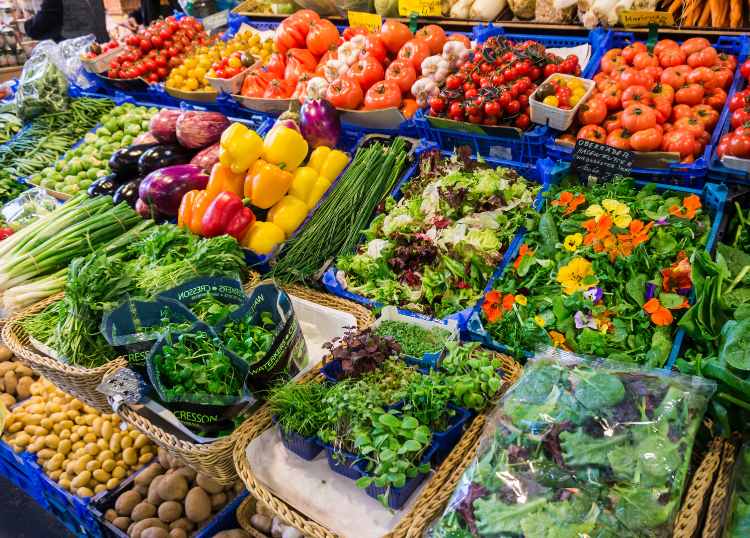
Sometimes, one of the most memorable meals comes from a market stall.
Food markets bring together local producers, independent cooks, bakers, coffee vendors and small businesses in a setting that feels different from a conventional restaurant.
Visitors can sample several dishes, browse handmade products and spend time in neighbourhoods they might otherwise overlook.
For travellers visiting South African cities, markets can also provide an introduction to regional food traditions.
Cape Town offers everything from artisan bread and fresh produce to seafood and contemporary street food.
Johannesburg's markets reflect the city's varied communities, creative businesses and energetic social atmosphere.
Durban provides opportunities to experience Indian-influenced cuisine, traditional snacks and the food culture of KwaZulu-Natal.
However, not every market operates daily.
Some are weekend destinations.
Others are established food halls with more regular trading hours.
Markets can also change location, stallholders and schedules.
Checking current information before travelling is therefore important.
With a little planning, a food market visit can become one of the highlights of a South African city break.
Why Food Markets Are Worth Including in a City Break
Food markets offer more than a convenient place to eat.
They provide an opportunity to experience the city's everyday culture.
Independent traders often prepare food using personal recipes and local ingredients.
Visitors can see how different culinary traditions influence the available dishes.
Markets also create informal social spaces.
People meet for breakfast, spend time with friends or browse stalls while enjoying the atmosphere.
For travellers with limited time, a market can combine food, shopping and local character in one stop.
Food Markets Offer a Different View of the City
Restaurants often present a carefully controlled dining experience.
Markets are usually more informal.
Visitors move between stalls, compare dishes and choose what interests them.
This creates opportunities for spontaneous decisions.
A traveller may arrive looking for coffee and leave after trying a dish they had never considered ordering.
The surrounding neighbourhood also contributes to the experience.
A market visit can reveal how local residents spend their weekends.
Cape Town: A Strong Destination for Market Food
Cape Town has a varied food market scene.
Its markets reflect the city's agricultural surroundings, coastal setting and diverse culinary influences.
Fresh produce, baked goods, seafood and contemporary street food are common attractions.
Some markets operate near major tourist areas.
Others are located in residential or creative neighbourhoods.
This variety makes it possible to include a market visit in different types of city breaks.
The best choice depends on where visitors are staying and what kind of atmosphere they prefer.
Oranjezicht City Farm Market, Cape Town
The Oranjezicht City Farm Market is one of Cape Town's well-known food market destinations.
Located in the Granger Bay area near the V&A Waterfront, it brings together produce traders and prepared-food vendors.
Visitors can browse seasonal fruit and vegetables, baked goods and other food products.
The market is also popular for casual meals.
Its waterfront setting makes it appealing during a relaxed morning outing.
However, trading days and hours should be confirmed before visiting.
The market can be busy during popular periods.
What Makes Oranjezicht City Farm Market Appealing?
The market combines fresh produce with a social food experience.
Visitors may find ingredients for self-catering accommodation alongside meals prepared for immediate enjoyment.
The setting is particularly suitable for travellers who prefer an unhurried breakfast or lunch.
It can also fit into a wider Waterfront itinerary.
However, the market should not be treated as a substitute for every kind of local food experience.
Its emphasis on produce and independent traders gives it a particular character.
Visitors interested in food sourcing and seasonal ingredients may find it especially rewarding.
Time Out Market Cape Town
Time Out Market Cape Town is located at the V&A Waterfront.
It operates as a curated food hall rather than a traditional farmers' market.
The venue brings several food concepts together in one location.
This makes it convenient for groups with different preferences.
Visitors can choose from multiple menus without needing to book separate restaurants.
Its central location is useful for travellers already spending time at the Waterfront.
However, food offerings and operating arrangements may change.
Checking the current vendor selection is worthwhile.
Why Food Halls Work for Short Visits
Food halls can be practical during a busy sightseeing day.
They usually provide a concentrated selection of dining options.
Visitors do not need to travel between several restaurants to compare menus.
This can be particularly helpful for families and groups.
However, a food hall may feel more structured than a traditional open-air market.
The experience is often centred on prepared meals rather than produce shopping.
Both formats have value.
The choice depends on the type of city break.
Neighbourgoods Market at the Old Biscuit Mill
The Neighbourgoods Market is associated with the Old Biscuit Mill in Woodstock.
It has long been part of Cape Town's weekend food and creative scene.
The setting brings food, design and independent retail into a former industrial precinct.
Visitors may encounter prepared meals, baked goods and speciality products.
The surrounding area also has galleries, shops and creative businesses.
However, market schedules and trader arrangements can change.
Confirm current operating details before making it a fixed part of the itinerary.
Combining Woodstock's Food and Design Scene
Woodstock offers more than a single market stop.
Its creative businesses and changing urban character make it an interesting area for visitors.
A market visit can be paired with browsing local design shops or visiting nearby attractions.
However, travellers should plan their route carefully.
Not every part of the neighbourhood is equally suited to casual walking.
Transport and personal safety should be considered.
A focused itinerary allows visitors to enjoy the area's food and creative character without unnecessary travel.
Bay Harbour Market, Hout Bay
Bay Harbour Market is located in Hout Bay, outside central Cape Town.
Its harbour setting gives it a different atmosphere from markets in the city centre.
The venue is known for combining food stalls with arts, crafts and entertainment.
Visitors can include the market in a broader Hout Bay outing.
The surrounding coastal scenery is part of the appeal.
However, the journey takes additional time.
It is best suited to travellers who have enough flexibility to spend part of the day outside the central city.
Making a Day of Hout Bay
Hout Bay can work well as a half-day or longer excursion.
The area offers coastal scenery and a distinct local atmosphere.
A market meal can form part of the outing.
However, travel times depend on traffic and the chosen route.
Visitors should also check market trading hours.
A carefully planned visit avoids arriving after stalls have closed.
The destination is particularly appealing to travellers who want food and scenery in the same outing.
Mojo Market, Sea Point
Mojo Market is a food and entertainment venue in Sea Point.
It offers a selection of prepared-food options in a casual setting.
Its location makes it convenient for visitors staying along the Atlantic Seaboard.
The venue can be useful for groups with different food preferences.
It may also suit an informal evening meal.
However, vendor offerings and entertainment schedules can change.
Visitors should confirm current details before planning around a particular stall or event.
Food Markets and the Sea Point Promenade
Sea Point is a popular area for walking and enjoying the coastal environment.
A food market visit can be combined with time on the promenade.
This creates a straightforward outing without requiring a full-day excursion.
The neighbourhood also has cafés and other dining options.
Visitors can choose between a market meal and a more traditional restaurant experience.
However, the promenade and nearby streets can become busy.
Planning transport and parking in advance may make the outing easier.
Johannesburg: Markets With Creative Energy
Johannesburg offers a different food market experience from Cape Town.
Its markets often combine food with music, fashion, art and independent businesses.
The city's cultural diversity influences the available dishes.
Visitors may find traditional South African food alongside international street-food options.
Market visits can also introduce travellers to neighbourhoods beyond conventional tourist routes.
However, Johannesburg is a large city.
Transport planning is important.
Choosing markets that fit the day's itinerary can reduce unnecessary travel.
The Playground, Braamfontein
The Playground in Braamfontein is associated with food, entertainment and creative retail.
It offers a lively urban setting.
The venue can appeal to travellers interested in Johannesburg's contemporary cultural scene.
Food is part of a broader social experience.
Visitors may also encounter music and other activities depending on the programme.
However, entry arrangements, opening days and events may vary.
Checking current information is essential.
Why Braamfontein Appeals to City-Break Travellers
Braamfontein has a strong association with Johannesburg's creative and student communities.
Its cafés, cultural venues and urban character make it an interesting area for visitors.
A market visit can introduce travellers to this side of the city.
However, the neighbourhood is best approached with a clear plan.
Visitors should consider transport and the timing of their activities.
The area can provide a lively contrast to more conventional shopping and dining districts.
Fourways Farmers Market
Fourways Farmers Market is a well-known Johannesburg market destination.
It has been associated with a broad selection of food, drinks and outdoor social spaces.
The market experience is generally more relaxed than a conventional shopping centre.
Visitors may spend several hours browsing stalls and enjoying meals.
However, the market's location and operating arrangements have changed over time.
Travellers should confirm its current venue, trading days and admission conditions before visiting.
This is particularly important when planning transport from another part of Johannesburg.
Markets as Social Destinations
Some food markets are designed for visitors to stay longer than a quick meal.
Outdoor seating, music and informal gathering areas encourage people to spend time together.
This can make them appealing for families and groups.
However, the experience may be different during busy periods.
Queues and seating availability can affect the visit.
Travellers who prefer a quieter atmosphere may benefit from arriving earlier.
The market's social character should be considered when choosing a destination.
Rosebank and Its Market Culture
Rosebank is a convenient Johannesburg neighbourhood for visitors.
It offers hotels, shopping and transport connections.
The area has also been associated with established market trading and craft retail.
However, visitors should distinguish between food-focused markets and broader craft or retail markets.
Not every market in the area offers the same dining experience.
Current trading arrangements should be checked.
Rosebank can still provide a practical base for combining food, shopping and urban sightseeing.
Durban: Food Markets With Regional Character
Durban's food culture is strongly influenced by its coastal location and diverse communities.
Indian-influenced cuisine is an important part of the city's culinary identity.
Traditional snacks, spices and street food are also part of the experience.
Markets can provide an introduction to these flavours.
However, different venues serve different purposes.
Some focus on fresh produce or everyday shopping.
Others are designed as weekend food and craft destinations.
Visitors should choose according to the experience they want.
Victoria Street Market, Durban
Victoria Street Market is one of Durban's established market destinations.
It is particularly associated with spices, souvenirs and a busy trading atmosphere.
The market provides an opportunity to encounter part of the city's Indian-influenced commercial heritage.
However, it should not be approached as a modern food hall.
Visitors may find food-related products and nearby eating opportunities rather than a large selection of prepared meals within the market itself.
The surrounding area is busy.
A planned visit with suitable transport arrangements is advisable.
Spices and Durban's Food Heritage
Durban's spice trade reflects the city's long culinary history.
Spices are central to many local dishes.
Visitors may encounter products associated with curries, marinades and traditional cooking.
However, purchasing spices is different from tasting prepared food.
A market visit can be paired with a meal at a reputable local restaurant.
This provides a fuller introduction to Durban's food culture.
Travellers should also consider storage and transport when purchasing ingredients.
I Heart Market, Durban
I Heart Market is associated with independent traders, local design and food vendors in Durban.
Its appeal includes handmade products and a community-oriented atmosphere.
However, its venue and schedule may change.
It is not necessarily a daily market.
Visitors should check current event information before travelling.
The market can be particularly suitable for people interested in local makers alongside casual food.
Its character differs from Durban's more traditional trading markets.
Durban's Informal Food Culture
Not every worthwhile food experience takes place inside a named market.
Durban has a strong tradition of informal food businesses.
Small eateries, takeaway counters and neighbourhood vendors contribute to the city's identity.
Visitors may encounter samoosas, curries and other local favourites.
However, food quality and hygiene standards vary between establishments.
Choosing busy, reputable vendors can be a useful starting point.
A guided food experience may also help first-time visitors understand the city's culinary traditions.
What to Eat at South African Food Markets
South African food markets often offer a mixture of local and international dishes.
Visitors may find grilled meats, baked goods, fresh produce and contemporary street food.
Some markets include regional specialities.
Others focus on artisan products or restaurant-style meals.
The available selection depends on the traders present.
Rather than expecting every market to offer the same dishes, visitors should treat the experience as an opportunity to sample what is available locally.
South African Street-Food Favourites
Street food is an important part of the country's food culture.
Depending on the market, visitors may encounter boerewors rolls, vetkoek, grilled meats and other familiar dishes.
Regional variations are common.
However, not every market specialises in traditional South African food.
Some focus heavily on international cuisines.
Visitors interested in specific dishes should research current vendors.
A little preparation can prevent disappointment.
Durban Curry and Bunny Chow
Durban is particularly associated with curry and bunny chow.
Bunny chow traditionally consists of curry served in a hollowed portion of bread.
Different fillings and levels of heat are available.
However, quality varies.
A reputable local establishment may provide a better experience than choosing a vendor solely because it is located in a market.
Travellers should consider including this dish in their Durban itinerary.
It offers a distinctive introduction to the city's culinary identity.
Fresh Seafood and Coastal Markets
Coastal cities provide opportunities to enjoy seafood.
However, not every food market sells fresh seafood.
Some focus on prepared dishes.
Others offer produce and speciality products.
Visitors should check what is available.
Seafood should be purchased from vendors who follow appropriate food safety practices.
Temperature control and freshness are particularly important.
A market's location near the ocean does not automatically establish the quality of its seafood.
Artisan Bread and Baked Goods
Bakeries are common attractions at many food markets.
Visitors may encounter sourdough bread, pastries, cakes and savoury baked products.
These can be convenient for breakfast or a picnic.
However, popular items may sell out early.
Travellers with a particular bakery in mind should consider arriving near the start of trading.
Baked goods can also be useful for visitors staying in self-catering accommodation.
Coffee and Breakfast Markets
Some markets are particularly popular during the morning.
Coffee vendors, bakeries and breakfast stalls create a relaxed atmosphere.
These markets can be a practical first stop before sightseeing.
However, breakfast crowds may be substantial.
Arriving early can provide more time to browse.
Visitors should also consider whether the market has sufficient seating.
A quick coffee stop and a leisurely breakfast require different planning.
Markets for Lunch and Casual Dining
Food markets can be useful for lunch during a city break.
Groups can choose different dishes while remaining in one location.
This is helpful when travellers have varied preferences.
However, seating may be limited during busy periods.
Some markets are designed for informal eating rather than table service.
Visitors should be comfortable with a less structured experience.
The appeal lies partly in the freedom to choose from several vendors.
Evening Food Markets and Entertainment
Some food markets operate into the evening.
These venues may combine dining with music and social activities.
They can provide an alternative to conventional restaurants.
However, not every market has evening trading.
Entertainment schedules may also vary.
Visitors should confirm opening times and current events.
Evening transport arrangements deserve attention, particularly in unfamiliar neighbourhoods.
A well-planned visit can make the experience more relaxed.
Farmers' Markets Versus Food Halls
Farmers' markets and food halls offer different experiences.
Farmers' markets may place greater emphasis on produce and local producers.
Food halls generally focus on prepared meals from several vendors.
However, the categories often overlap.
A farmers' market may have extensive dining options.
A food hall may include speciality food retailers.
Visitors should consider whether they want to shop for ingredients, enjoy a meal or do both.
Food Markets for Families
Food markets can work well for family outings.
Different stalls allow family members to choose meals according to their preferences.
However, facilities vary.
Some markets have spacious outdoor areas.
Others are crowded indoor venues.
Parents should consider seating, toilets and access with prams.
The availability of child-friendly activities should be confirmed rather than assumed.
A suitable market can provide an informal meal without the structure of a restaurant booking.
Food Markets for Couples
Markets can provide a relaxed setting for couples visiting a city.
A shared breakfast or casual lunch may fit between other activities.
Some venues offer waterfront views or live entertainment.
Others provide opportunities to browse local crafts and speciality products.
However, the atmosphere depends on the day and time.
A busy weekend market may not suit visitors seeking a quiet meal.
Choosing the right venue is more important than simply selecting the most popular one.
Markets for Groups With Different Food Preferences
Groups often struggle to agree on a single restaurant.
Food markets can make the decision easier.
Each person can select from available vendors.
However, dietary requirements still need consideration.
Vegetarian, vegan, halal and gluten-free options may be available, but they should not be assumed.
Visitors with allergies should ask vendors directly about ingredients and food preparation.
A wide selection does not automatically guarantee suitability for every dietary need.
Food Markets and Local Craft Shopping
Many markets combine food with handmade products.
Visitors may encounter ceramics, clothing, jewellery and homeware.
This can make a market visit more varied.
However, not every product is necessarily made locally.
Travellers interested in supporting local producers can ask traders about sourcing and production.
Purchasing directly from independent makers may provide a more personal shopping experience.
The opportunity to speak with traders is part of the appeal.
Supporting Independent Food Businesses
Markets often provide trading opportunities for small food businesses.
Some vendors use markets to introduce products before opening permanent premises.
Others operate exclusively through market stalls.
Visitors can support these businesses by purchasing directly from them.
However, claims about local sourcing or sustainability should be considered carefully.
Not every market operates according to the same principles.
Asking questions can help travellers understand the products they are buying.
Planning a Market Visit Around Opening Hours
Market opening hours are an important planning consideration.
Some venues trade only on weekends.
Others operate on selected weekdays or evenings.
Public holidays may affect schedules.
Special events can also change access arrangements.
Visitors should confirm current details through official market channels.
This is especially important when travelling specifically to visit a particular market.
A flexible itinerary can accommodate unexpected changes.
The Best Time of Day to Visit
The ideal time depends on the market.
Early mornings may provide a quieter shopping experience.
Fresh produce and baked goods may also be more readily available.
Lunchtime can be busier.
Evening markets may attract visitors interested in entertainment.
However, trading patterns vary.
Travellers should consider whether they prefer a lively atmosphere or a more relaxed visit.
The market's operating schedule should guide the decision.
Avoiding the Busiest Market Periods
Popular markets can become crowded.
Queues may form at well-known food stalls.
Parking can also be limited.
Arriving earlier may reduce waiting times at some venues.
However, the busiest period may also provide the strongest social atmosphere.
There is no single best approach.
Visitors should choose according to their preferences.
Those travelling with young children or mobility requirements may benefit from quieter periods.
Transport and Parking Considerations
Food markets are located in different types of urban environments.
Some are close to major tourist areas.
Others require a dedicated journey.
Parking arrangements may vary.
Ride-hailing services can be useful in certain locations.
However, travellers should consider safe pickup and drop-off points.
Public transport may be practical for some destinations.
Planning transport in advance can prevent a short market visit from becoming unnecessarily complicated.
Accessibility at Food Markets
Accessibility differs between venues.
Some markets have level surfaces and spacious circulation areas.
Others operate in older buildings or temporary outdoor settings.
Uneven paving and crowded walkways may create difficulties.
Visitors with mobility requirements should check current accessibility information.
Accessible toilets and suitable seating are also important.
A market's popularity does not guarantee that it meets every visitor's needs.
Confirming arrangements in advance can help.
Budgeting for a Food Market Visit
Food markets offer a range of price points.
However, they are not always cheaper than restaurants.
Speciality products and artisan meals may carry higher prices.
Visitors should decide whether they want a light snack, a full meal or several small tastings.
Sharing dishes can provide variety.
However, portion sizes differ.
It is useful to allow for drinks, parking and possible entry fees.
A realistic budget makes the experience easier to enjoy.
Payment Methods and Cash
Many established food markets accept card payments.
However, payment arrangements vary between traders.
Some may prefer particular digital payment methods.
Connectivity problems can occasionally affect transactions.
Carrying a modest amount of cash may be useful.
However, visitors should avoid displaying large amounts of money.
Check current payment information where possible.
Simple preparation can prevent inconvenience at the stalls.
Food Safety at Markets
Food safety matters when eating at markets.
Prepared food should be handled and stored appropriately.
Cold foods require suitable temperature control.
Hot dishes should be served under safe conditions.
Visitors should consider cleanliness and food handling practices.
However, appearance alone does not guarantee food safety.
People with allergies or dietary restrictions should ask detailed questions.
Choosing reputable vendors can help reduce avoidable risks.
Markets During Hot Summer Weather
South African summer conditions can affect outdoor market visits.
High temperatures may make midday outings uncomfortable.
Shade and drinking water become important.
Food safety also deserves attention in hot weather.
Visitors should avoid leaving perishable purchases in a parked vehicle.
Some markets provide covered seating.
Others are more exposed.
Checking the venue layout and weather forecast can help travellers plan comfortably.
Markets During Rainy Weather
Weather can affect outdoor markets.
Summer thunderstorms are common in some South African regions.
Cape Town experiences a different seasonal rainfall pattern.
Covered markets may be more practical during poor weather.
However, outdoor events can be postponed or cancelled.
Visitors should check current announcements.
A backup dining option can be useful.
This is particularly important when the market is the main purpose of an excursion.
Combining Food Markets With Sightseeing
Food markets can fit naturally into a city itinerary.
A Cape Town market visit may be paired with waterfront activities or a coastal outing.
In Johannesburg, a market can form part of a neighbourhood-focused day.
Durban visitors may combine food experiences with cultural attractions.
However, travel distances should be considered.
Trying to visit several markets across a city in one day can become tiring.
A focused itinerary often provides a better experience.
A Cape Town Food Market Day
A Cape Town market outing can begin with breakfast near the Waterfront.
Visitors may then spend time enjoying nearby attractions.
Alternatively, a trip to Hout Bay can combine a market visit with coastal scenery.
However, market schedules should guide the plan.
Not every venue trades on the same days.
Travellers should avoid creating an itinerary that depends on unconfirmed opening hours.
Choosing one primary market and a few nearby activities is often sufficient.
A Johannesburg Food Market Day
Johannesburg's size makes neighbourhood planning important.
A visitor staying in Rosebank may prefer to begin with nearby activities.
A Braamfontein market outing can be combined with other cultural stops where appropriate.
However, transport should be arranged carefully.
The timing of events also matters.
Weekend markets may have limited trading periods.
A realistic itinerary allows time for food, browsing and travel.
A Durban Food Market Day
A Durban city break can include a visit to a traditional trading market.
Visitors interested in spices and local food heritage may consider Victoria Street Market.
A separate meal can provide an opportunity to try Durban curry or bunny chow.
Weekend craft and food markets may offer a different experience.
However, schedules and locations should be confirmed.
The best itinerary combines food with the city's coastal and cultural attractions without rushing between distant areas.
Common Mistakes When Visiting Food Markets
One common mistake is assuming that every market operates daily.
Another is arriving without checking the current location.
Visitors may also expect all markets to provide the same type of food.
Some are primarily produce markets.
Others are food halls or craft markets with selected food stalls.
Poor transport planning can create unnecessary delays.
A further mistake is trying to fit too many markets into a short visit.
Choosing a few suitable destinations usually provides a more enjoyable experience.
How to Choose the Right Food Market
Start by considering the purpose of the visit.
Do you want a full meal, fresh produce or a relaxed social outing?
Are you interested in regional dishes or contemporary street food?
Would you prefer a busy urban venue or a quieter outdoor setting?
Consider the market's location and operating hours.
Check current vendor information where available.
The best market is the one that fits the traveller's interests and itinerary.
Popularity alone is not enough.
A Practical Food Market Checklist
Before visiting a market:
- Confirm the current venue and trading hours.
- Check whether the market operates on the intended day.
- Review transport and parking arrangements.
- Consider the weather and availability of covered seating.
- Check accessibility requirements where relevant.
- Allow a realistic food and shopping budget.
- Ask vendors about allergens and dietary requirements.
- Plan nearby activities without creating an overly busy schedule.
- Leave time to browse rather than rushing between stalls.
These simple checks can make a short market visit more enjoyable.
Final Thoughts
Food markets offer an appealing way to experience South African cities.
They bring together food, independent businesses and local culture in settings that differ from conventional restaurants.
Cape Town offers waterfront food halls, produce markets and coastal market destinations.
Johannesburg provides lively urban markets shaped by its creative communities.
Durban introduces visitors to a food culture influenced by regional traditions, spices and informal trading.
However, each market has its own character.
Some are ideal for breakfast.
Others are better suited to lunch, evening entertainment or speciality shopping.
Opening hours, locations and trader selections can change, so current information should always be checked before travelling.
For a successful city break, choose markets that fit naturally into the wider itinerary.
Allow time to browse, speak with traders and sample different dishes.
A well-chosen food market can provide more than a convenient meal.
It can offer a memorable introduction to the people, flavours and everyday character of the city.