
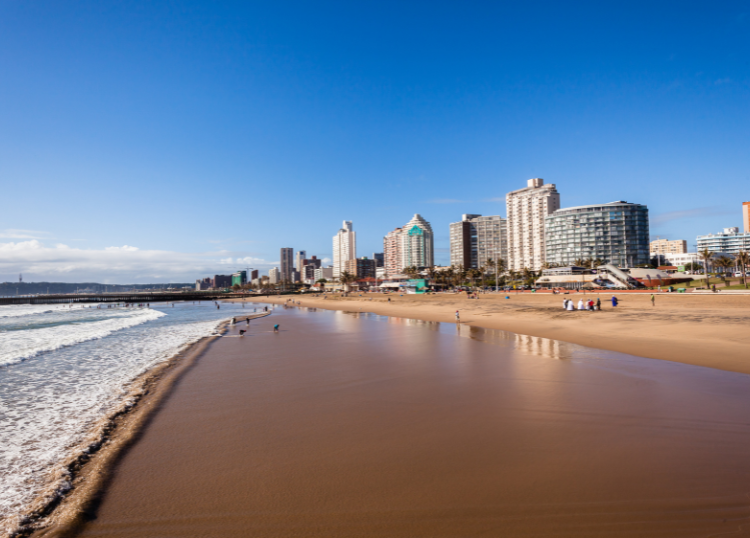
Durban has a character that sets it apart from many other South African coastal destinations.
The city combines warm Indian Ocean waters, a long beachfront promenade, distinctive food traditions and a history shaped by several communities.
For travellers, this creates an appealing combination.
A morning can begin with a walk beside the ocean.
Lunch might involve a traditional Durban curry or bunny chow.
The afternoon could be spent visiting a museum, browsing a market or learning more about the city's heritage.
Unlike destinations where major attractions are spread across distant areas, several of Durban's best-known experiences can be combined into a relatively compact city break.
However, the city also rewards visitors who spend time beyond the beachfront.
Its neighbourhoods, food culture and historical sites provide a fuller understanding of KwaZulu-Natal's largest city.
Whether planning a weekend away or a longer coastal holiday, Durban offers enough variety to balance relaxation with meaningful local experiences.
What Makes Durban Different From Other Coastal Cities?
Durban's appeal comes from the relationship between its coastline, climate and cultural history.
The city faces the Indian Ocean and is known for relatively warm sea temperatures.
Its subtropical conditions also support outdoor activities during much of the year.
However, the beach is only part of the experience.
Durban has a distinctive culinary identity influenced by Indian, Zulu and other South African traditions.
Its history is visible in markets, places of worship, architecture and public institutions.
These different elements give visitors several reasons to spend time in the city.
A Durban holiday can be as relaxed or activity-filled as the traveller prefers.
Why Durban Suits a Short City Break
A successful short break needs enough variety without requiring constant travel.
Durban offers beaches, restaurants and cultural attractions within the metropolitan area.
Visitors can plan activities around different times of day.
Early mornings may be suitable for beachfront walks.
The middle of the day can be reserved for lunch or indoor attractions.
Evenings can involve dining or relaxed time at the accommodation.
This flexibility makes Durban suitable for couples, families and groups of friends.
However, travel times should still be considered.
Traffic, parking and the location of accommodation can influence how much fits comfortably into a day.
The Appeal of Durban's Warm-Water Beaches
Durban's Indian Ocean coastline is one of its best-known attractions.
Compared with the colder waters along parts of South Africa's Atlantic coast, the sea around Durban is generally warmer.
This makes the area attractive to swimmers and other beachgoers.
However, sea conditions can change.
Currents, surf and weather all influence swimming safety.
Visitors should use designated swimming areas and follow lifeguard instructions.
Beach conditions should be checked on the day.
The combination of ocean views and a warm coastal climate remains a central part of Durban's holiday appeal.
Spending Time Along the Golden Mile
The Golden Mile is one of Durban's most recognisable beachfront areas.
It includes a long stretch of promenade connecting several popular coastal locations.
Visitors can walk, cycle or spend time watching activity along the shore.
The promenade provides access to different sections of the beachfront.
Its appeal extends beyond swimming.
Early mornings are often particularly pleasant for a coastal walk.
The area also provides opportunities to stop for refreshments or simply enjoy the sea views.
A visit to Durban can easily include several hours along this part of the coastline.
Why the Beachfront Promenade Is Worth Visiting
A good beachfront promenade allows visitors to enjoy the coast without spending the entire day on the sand.
Durban's promenade provides space for walking and cycling.
It also connects several beachfront attractions.
Families may appreciate the flexibility of moving between different areas.
Visitors can take breaks without committing to a full beach day.
The route is particularly useful for travellers who enjoy gentle outdoor activity.
However, conditions can become hot during summer.
Early or later visits may be more comfortable.
Choosing the Right Durban Beach
Different sections of Durban's coastline suit different activities.
Some areas attract swimmers and families.
Others are popular with surfers or people enjoying the promenade.
The best choice depends on the day's conditions and the visitor's preferences.
Before swimming, check whether the beach is officially open and suitable for bathing.
Water quality advisories and temporary closures can affect access.
Lifeguard coverage should also be confirmed.
Visitors should not assume that every stretch of coastline is equally suitable for swimming.
A little preparation helps make beach time more enjoyable.
North Beach and the Central Beachfront
North Beach is among the better-known sections of Durban's central beachfront.
It is associated with swimming, surfing and promenade activity.
Its location makes it convenient for visitors staying near the city centre or beachfront.
However, the area can become busy during weekends and school holidays.
Visitors should consider parking and personal belongings.
As with other beaches, swimming should be limited to designated areas when conditions permit.
North Beach can work well as part of a morning that includes walking and breakfast nearby.
South Beach and the Southern Promenade
South Beach forms part of the wider central beachfront experience.
Visitors can combine time near the shore with a walk along the promenade.
Its proximity to other beachfront areas makes it practical for a flexible outing.
However, beach access, swimming conditions and nearby facilities should be checked before visiting.
The character of the beachfront can change between sections.
Travellers may prefer to walk through the area before deciding where to spend more time.
This is particularly useful during busy holiday periods.
uShaka Beach and the Point Area
The Point area offers another way to experience Durban's coastline.
The beachfront near uShaka Marine World is connected to the wider promenade.
Visitors can enjoy ocean views while remaining close to other attractions.
The area may suit families planning several activities in one day.
However, admission arrangements for individual attractions should be checked separately.
The beachfront itself and ticketed facilities are not necessarily part of the same experience.
Planning around opening hours can help avoid unnecessary waiting.
uShaka Marine World as a Family Attraction
uShaka Marine World is a well-known Durban attraction associated with marine exhibits and entertainment facilities.
It can provide an alternative to spending the entire day on the beach.
Families may find it useful when travelling with children of different ages.
However, available attractions, operating arrangements and ticket prices can change.
Visitors should confirm current details before making plans.
Allow enough time for the activities that interest your group.
A visit can be combined with a beachfront walk or meal in the surrounding area.
Surfing and Durban's Coastal Identity
Surfing has long been part of Durban's beach culture.
The coastline attracts surfers because of its wave conditions and established surfing community.
Visitors may enjoy watching surfers from suitable beachfront areas.
Those interested in lessons should choose reputable providers.
Conditions should match the participant's ability.
Beginners should not assume that a beach popular with experienced surfers is suitable for learning.
Surfing can add another dimension to a Durban holiday, but safety and local guidance remain important.
Why Durban Is Known for Its Curry
Durban has a distinctive curry tradition shaped by the city's Indian communities and local culinary history.
The city's food culture reflects generations of adaptation, family recipes and regional influences.
Durban-style curries are often associated with bold spice blends and substantial flavour.
However, there is considerable variety.
Different restaurants and households prepare dishes in their own ways.
Visitors should not expect every curry to taste identical.
Trying more than one style can provide a better appreciation of the city's culinary identity.
Bunny Chow: Durban's Signature Food Experience
Bunny chow is one of Durban's most recognisable dishes.
It traditionally consists of curry served inside a hollowed-out portion of bread.
The bread absorbs the sauce and forms part of the meal.
Different fillings may be available, including vegetarian options.
Portion sizes can vary.
Visitors unfamiliar with the dish may prefer to begin with a smaller serving.
Bunny chow is more than a convenient meal.
It is closely associated with Durban's social and culinary history.
Trying it from a well-regarded local establishment is a memorable part of many city visits.
How to Choose a Good Bunny Chow
A good bunny chow should balance the curry, bread and overall flavour.
Freshness matters.
The bread should be suitable for holding the curry without becoming unpleasantly dry or falling apart immediately.
However, preferences differ.
Some people enjoy a hotter curry.
Others prefer milder flavours.
Ask about portion sizes and spice levels before ordering.
Local recommendations can be useful, but the best choice also depends on personal taste.
Other Durban Foods Worth Trying
Durban's food identity extends beyond bunny chow.
Visitors may encounter biryani, breyani-style dishes, samoosas and a variety of curries.
Indian-inspired snacks and sweet treats are also part of the city's food culture.
Traditional Zulu dishes and other South African cuisines add further variety.
The availability of particular foods depends on the restaurant or market.
A food-focused trip should allow time for several different meals.
Trying a mixture of casual establishments and sit-down restaurants can provide a broader experience.
Durban's Indian Culinary Heritage
Indian communities have played an important role in shaping Durban's history and cuisine.
Their influence is visible in food, markets, places of worship and neighbourhood traditions.
However, Durban's Indian culinary identity is not uniform.
Different family histories and regional backgrounds have contributed to the city's food traditions.
Recipes have also changed over generations.
Visitors interested in food history can learn more by visiting established markets and local eateries.
The experience is richer when the food is understood as part of a living community rather than simply a tourist attraction.
The Victoria Street Market Experience
Victoria Street Market is a recognised part of Durban's trading heritage.
It is associated with spices, crafts and a variety of market goods.
For visitors, it offers an opportunity to experience a different side of the city.
The market's atmosphere reflects Durban's commercial and cultural history.
However, individual traders and opening arrangements may change.
Visitors should check current operating information.
It is also sensible to plan transport and personal safety arrangements.
A market visit can be paired with a meal or another nearby cultural stop.
Shopping for Spices and Local Ingredients
Spices are closely associated with Durban's food culture.
Visitors may find curry blends, individual spices and other cooking ingredients at specialist retailers.
However, quality and freshness vary between sellers.
Ask about the ingredients and intended use of unfamiliar blends.
Some products may be considerably hotter than expected.
For travellers planning to take ingredients home, consider packaging and storage.
Food purchases can provide a practical reminder of the trip.
They also offer an opportunity to learn more about the flavours used in local cooking.
Durban's Street Food Culture
Casual food is an important part of the Durban experience.
Small eateries, takeaway counters and markets can provide memorable meals.
However, the best option is not always the most heavily advertised.
Consider cleanliness, food handling and customer turnover.
Ask local residents for recommendations where appropriate.
Visitors should also be mindful of dietary restrictions.
A short food stop can fit naturally between beach and cultural activities.
This makes Durban particularly suitable for travellers who prefer informal meals during the day.
Trying Traditional Zulu Cuisine
KwaZulu-Natal's cultural identity is closely connected to Zulu history and traditions.
Food forms part of that heritage.
Visitors may encounter dishes based on maize, beans, meat and other ingredients used in regional cooking.
However, menus and preparation methods vary.
A traditional meal should be approached with interest and respect.
Where cultural dining experiences are offered, consider whether they are presented by people with genuine connections to the traditions involved.
Food can provide an accessible introduction to the region's heritage.
It should not be treated as a substitute for learning about the people and history behind it.
Why Durban's Food Scene Suits Different Budgets
A food-focused Durban holiday does not have to revolve around expensive restaurants.
Casual eateries and takeaway establishments provide accessible options.
Markets and neighbourhood restaurants may also offer a wide range of dishes.
Visitors looking for a more formal dining experience can plan accordingly.
The best approach is to mix different types of meals.
A simple curry lunch may be followed by a relaxed evening restaurant visit.
This variety allows travellers to experience more of the city's food culture without making every meal a major expense.
Durban's Cultural Identity Goes Beyond Food
Durban's cultural history reflects African, Indian, colonial and other influences.
These histories have shaped the city's neighbourhoods, institutions and public spaces.
However, they have not always developed under equal social or political conditions.
The city's history includes colonialism, indentured labour, apartheid and struggles for political rights.
Visitors can gain a deeper understanding by including museums and heritage sites in their plans.
This adds context to the places and traditions encountered during the trip.
A cultural break should make room for both celebration and historical understanding.
The KwaMuhle Museum
The KwaMuhle Museum is associated with Durban's history of apartheid-era urban administration and social control.
Its subject matter provides important context for understanding the city's past.
For visitors interested in South African history, it can be a meaningful stop.
The museum's themes are different from the relaxed atmosphere of the beachfront.
However, that contrast is part of what makes a varied city break worthwhile.
Before visiting, confirm current opening arrangements and exhibition access.
Allow time to engage with the historical material rather than treating the museum as a quick photo stop.
The Durban Natural Science Museum
The Durban Natural Science Museum offers an educational option for visitors interested in natural history.
It is associated with exhibits relating to the natural world.
Families may find it useful as part of a city-centre outing.
It can also provide an indoor activity when beach conditions are unsuitable.
However, exhibition availability and opening arrangements should be confirmed before visiting.
A museum stop can help balance outdoor recreation with learning.
This is particularly useful when travelling with children.
Durban City Hall and Historic Architecture
Durban City Hall is one of the city's prominent historic buildings.
Its architecture reflects an earlier period of urban development.
The surrounding area provides opportunities to consider how the city has changed over time.
Visitors interested in architecture may enjoy observing the building's exterior and nearby civic spaces.
However, access to the interior may be restricted or subject to particular arrangements.
The area should be visited with appropriate awareness of local conditions.
Historic buildings can provide useful context for understanding Durban beyond its coastline.
The Juma Masjid Mosque and Religious Heritage
Durban's religious buildings reflect the city's diverse communities.
The Juma Masjid Mosque is a notable landmark associated with the city's Muslim heritage.
Places of worship can provide important insights into local history and identity.
However, visitors should respect religious practices and access requirements.
Tourist access may be limited.
Appropriate clothing and conduct should be considered.
Photography should not be assumed to be permitted.
Religious heritage is best approached with respect for the communities that continue to use these spaces.
The Inanda Heritage Route
The Inanda area is associated with important chapters in South African political and cultural history.
Sites connected to Mahatma Gandhi, John Dube and other historical figures form part of the area's heritage.
A visit can provide a deeper understanding of the region's contribution to South African history.
However, the sites are spread across the area.
Transport planning is important.
A reputable local guide may help visitors understand the historical connections.
Opening arrangements and access should be confirmed in advance.
The route is particularly suitable for travellers interested in history rather than a beach-only holiday.
The Gandhi Connection in Durban
Mahatma Gandhi spent formative years in South Africa.
His experiences in Durban and the wider region influenced his political development.
The Phoenix Settlement is associated with this history.
For visitors, the site provides an opportunity to consider Durban's role in a broader historical story.
However, the history should be understood in its full social and political context.
A guided visit or reliable historical interpretation may be useful.
The site should be approached as a place of historical significance rather than simply a tourist landmark.
John Dube and Ohlange
John Langalibalele Dube was an important figure in South African educational and political history.
He was the founding president of the South African Native National Congress, which later became the African National Congress.
Ohlange is closely associated with his work.
The area has particular significance within the country's history.
Visitors interested in heritage may include it as part of a wider Inanda outing.
However, access arrangements should be confirmed.
A visit can add substantial historical depth to a Durban itinerary.
Durban's Markets and Everyday City Life
Markets offer opportunities to observe local trading traditions and daily routines.
They can also provide access to food, clothing and other goods.
However, markets differ in character.
Some are primarily used by local residents.
Others attract more visitors.
Respectful behaviour and awareness of surroundings are important.
Avoid photographing traders or customers without permission.
A market visit should be approached as an opportunity to engage with a working urban environment.
It is not simply a staged cultural attraction.
Florida Road and Durban's Restaurant Culture
Florida Road is associated with restaurants, cafés and nightlife in Durban's Morningside area.
It can be a useful destination for travellers interested in dining.
The area offers a different atmosphere from the beachfront.
Visitors may prefer it for an evening meal or relaxed café stop.
However, individual establishments and operating hours change.
It is sensible to check current options before travelling.
Parking and transport arrangements should also be considered, particularly after dark.
The Station Drive Precinct
Station Drive is associated with Durban's creative and independent business scene.
The area has hosted cafés, shops and other small enterprises.
For travellers interested in contemporary urban culture, it may provide a contrast to traditional tourist attractions.
However, businesses and opening arrangements can change.
Visitors should confirm what is operating before planning a visit.
A precinct is best experienced when there are specific places or activities of interest.
It can be included as part of a wider neighbourhood outing.
Durban's Art and Creative Communities
Durban has a history of artistic and cultural production.
Music, visual arts, design and performance all contribute to the city's identity.
Visitors may find exhibitions, performances or community events during their stay.
However, schedules vary.
It is worth checking current programmes before travelling.
Local galleries and cultural organisations can provide useful information.
A cultural itinerary should allow some flexibility.
A well-timed exhibition or performance can become one of the more memorable parts of a short trip.
The Durban Botanic Gardens
The Durban Botanic Gardens provide a quieter alternative to the beachfront.
The gardens are associated with a long history of botanical cultivation and public recreation.
Visitors can enjoy walking among established trees and landscaped areas.
The setting may appeal to families, couples and people interested in plants.
However, weather and event arrangements can affect the experience.
Check current access information before visiting.
A morning in the gardens can balance a busier afternoon elsewhere in the city.
Mitchell Park and Family-Friendly Outdoor Time
Mitchell Park is another established green space in Durban.
It can provide an opportunity for a relaxed outdoor outing.
Families may appreciate having an alternative to the beach.
However, facilities and operating arrangements should be confirmed before visiting.
Outdoor attractions are best planned around suitable weather.
Shade, drinking water and sun protection remain important.
A park visit can fit comfortably into a day that also includes a restaurant or nearby neighbourhood stop.
Moses Mabhida Stadium and Durban's Modern Landmarks
Moses Mabhida Stadium is one of Durban's prominent modern landmarks.
Its architecture makes it recognisable within the city's skyline.
Visitors may be interested in the building itself or in activities associated with the stadium precinct.
However, attractions and public access arrangements can change.
Do not assume that every previously advertised activity is operating.
Check current information before planning a visit.
The stadium can also be appreciated as part of Durban's broader architectural identity.
Combining Beach Time With Cultural Activities
One of Durban's advantages is the ability to combine different experiences in a single day.
A morning at the beach can be followed by lunch at a local restaurant.
The afternoon may involve a museum or heritage attraction.
However, the itinerary should remain realistic.
Heat, traffic and opening hours can affect the schedule.
It is usually better to choose a few worthwhile activities than to rush between many locations.
A balanced plan allows time to enjoy each part of the experience.
A Food-Focused Day in Durban
A food-focused day can begin with breakfast near the beachfront or in a neighbourhood café.
Lunch might involve a traditional curry or bunny chow.
The afternoon could include a visit to a spice market or food retailer.
Dinner provides an opportunity to try a different style of local cuisine.
However, the day should not be planned around eating continuously.
Walking, sightseeing and rest periods can create a more comfortable rhythm.
Visitors with dietary requirements should check menus in advance.
A good food itinerary offers variety rather than simply collecting famous dishes.
A Beach-Focused Day in Durban
A beach day can begin with an early walk along the promenade.
Visitors may then spend time at a designated swimming area if conditions are suitable.
Lunch can be arranged near the coast.
The afternoon may involve a quieter activity or time at the accommodation.
During summer, avoiding prolonged exposure to strong midday sun is sensible.
Families should also consider children's energy levels.
A relaxed beach day does not need to include every nearby attraction.
Leaving time for rest can make the experience more enjoyable.
A Culture-Focused Day in Durban
A cultural day might begin at a museum or historic building.
Visitors can then arrange lunch at a local restaurant.
The afternoon may include a heritage site or another neighbourhood of interest.
However, some cultural attractions require advance planning.
Guided visits may be appropriate for locations outside the central tourist areas.
Opening hours and transport should be confirmed.
A culture-focused day is most rewarding when visitors allow enough time to understand what they are seeing.
Planning a Two-Day Durban Break
A two-day visit can provide a useful introduction to the city.
The first day may focus on the beachfront.
A morning promenade walk can be followed by swimming or another coastal activity.
Lunch could feature Durban curry.
The afternoon may include a family attraction or time near the Point area.
The second day can focus on cultural sites and neighbourhood food experiences.
This structure provides variety without requiring an excessively full schedule.
However, the final itinerary should reflect accommodation location and individual interests.
Planning a Three-Day Durban Break
Three days allow more flexibility.
The first day can focus on beaches and the promenade.
The second can include museums, markets and a food-focused outing.
The third may be used for a heritage excursion, gardens or a nearby coastal area.
Travellers can also leave time for unplanned stops.
This is useful when weather conditions change.
A longer stay reduces the pressure to fit every activity into one day.
It also allows visitors to experience Durban at a more relaxed pace.
Where to Stay for a Durban City Break
Accommodation location can strongly influence the experience.
Beachfront accommodation may suit visitors who want regular access to the promenade.
Neighbourhood accommodation may be preferable for those interested in restaurants and a quieter environment.
Families may prioritise parking, kitchen facilities or larger rooms.
Travellers without a vehicle should consider transport arrangements.
The cheapest accommodation is not always the most convenient.
Location should be assessed against the activities planned for the trip.
Beachfront Accommodation Versus Inland Neighbourhoods
Staying near the beachfront can make early walks and coastal activities easier.
However, busy periods may bring additional traffic and noise.
Inland neighbourhoods may provide different dining and accommodation options.
They can also offer a different view of the city.
The choice depends on travel priorities.
Visitors planning daily beach activities may value proximity to the coast.
Those focusing on restaurants and cultural outings may prefer another location.
Consider safety, parking and transport before confirming a booking.
Getting Around Durban
Durban is a large metropolitan area.
Although several attractions are relatively close together, others require longer journeys.
Travellers should consider whether they will use a private vehicle, reputable transport service or organised tour.
Parking availability varies.
Traffic can increase during peak periods.
Walking may be practical along established beachfront routes, but not between every attraction.
Transport planning is particularly important for evening outings and heritage excursions.
A realistic itinerary should account for travel time rather than assuming every destination is nearby.
When Is the Best Time to Visit Durban?
Durban can be visited throughout the year.
However, seasonal conditions affect the experience.
Summer is warm and humid, with periods of rainfall.
Winter is generally milder and often provides pleasant conditions for outdoor activities.
School holidays and festive periods can be busy.
Travellers seeking quieter conditions may prefer dates outside major holiday periods.
However, the ideal time depends on whether the priority is swimming, sightseeing or a combination of activities.
Weather forecasts should be checked close to departure.
Visiting Durban During the Festive Season
December and January are popular holiday months.
The beachfront and major attractions may become busy.
Accommodation demand can also increase.
Visitors should book suitable accommodation in advance.
Restaurants and ticketed attractions may require additional planning.
Heat, humidity and afternoon storms should be considered.
Beach safety information is particularly important during periods of heavy visitor activity.
A festive-season trip can be enjoyable, but realistic scheduling helps reduce unnecessary frustration.
Beach Safety and Water Quality Checks
Beach safety should be part of every Durban holiday plan.
Visitors should swim only where permitted and follow lifeguard instructions.
Rip currents and changing surf conditions can create hazards.
Water quality is another consideration.
Temporary closures or advisories may affect individual beaches.
Check current information from the relevant authorities before swimming.
Avoid entering the water when a beach is closed.
A pleasant coastal setting should never be taken as proof that swimming conditions are safe.
Personal Safety While Sightseeing
Durban is a working city with busy commercial and residential areas.
Visitors should take sensible precautions.
Keep valuables secure.
Avoid displaying expensive items unnecessarily.
Plan transport before travelling to unfamiliar locations.
Ask accommodation providers for current local guidance.
Some attractions may be better visited with a reputable guide.
Personal safety considerations should inform the itinerary without preventing visitors from appreciating the city's attractions.
Preparation and awareness are more useful than relying on assumptions about entire neighbourhoods.
Durban for Families With Children
Durban can work well for family holidays because it offers a mixture of outdoor and indoor activities.
Beach time can be combined with museums, gardens and family attractions.
However, children may become tired in hot weather.
Plan regular breaks and access to drinking water.
Choose activities suitable for different ages.
Accommodation with practical facilities can make longer stays easier.
Parents should also consider swimming supervision and transport requirements.
A flexible schedule is often more successful than a tightly packed itinerary.
Durban for Couples
Couples may enjoy Durban's combination of coastal walks, dining and cultural outings.
A relaxed morning by the sea can be followed by lunch at a local restaurant.
The afternoon might involve gardens, art or a heritage attraction.
Evening dining provides another opportunity to experience the city's food culture.
However, the best itinerary depends on personal interests.
Some couples may prefer a quiet beachfront stay.
Others may want a more active city break.
Durban offers enough variety to accommodate both approaches.
Durban for Groups of Friends
Groups of friends may appreciate the range of activities available.
Some travellers may prioritise beaches.
Others may be more interested in food, markets or nightlife.
A flexible itinerary can accommodate these preferences.
Choose accommodation with suitable shared space.
Discuss transport arrangements before evening outings.
Restaurants should be selected with the group's dietary needs and budget in mind.
A successful group trip does not require everyone to participate in every activity.
Allowing some independent time can make the holiday more comfortable.
Combining Durban With Nearby Coastal Areas
Durban can also serve as a base for visiting other parts of the KwaZulu-Natal coastline.
Nearby coastal areas offer different settings and accommodation options.
However, travel times and traffic should be considered.
A short city break may be more enjoyable when most activities remain within Durban.
For longer holidays, a coastal extension may provide additional variety.
Visitors should avoid planning excessive daily driving.
The aim is to combine experiences without turning the trip into a constant transport schedule.
What to Pack for a Durban Holiday
Packing should reflect the season and planned activities.
Light clothing may be suitable for warm weather.
Comfortable walking shoes are useful for markets, museums and promenade outings.
Sun protection is important.
A light rain jacket may also be practical during wetter periods.
For beach visits, bring appropriate swimwear and towels.
Visitors planning cultural or religious site visits should consider suitable clothing.
A small day bag can help keep essentials organised.
Practical packing makes it easier to move between different activities.
Common Mistakes When Planning a Durban Break
One common mistake is focusing only on the beachfront.
This can mean missing the city's food and cultural experiences.
Another is planning too many attractions in one day.
Visitors may also underestimate travel times.
Beach conditions and attraction opening hours are sometimes overlooked.
Accommodation may be booked without considering the intended itinerary.
A further mistake is assuming that every restaurant serves the same style of Durban curry.
Allowing time for different experiences creates a more balanced visit.
How to Build a Balanced Durban Itinerary
Begin by identifying the main purpose of the trip.
Choose one or two beach experiences.
Add a selection of local food stops.
Include at least one cultural or heritage attraction.
Consider an outdoor alternative such as the botanic gardens.
Group activities by location where possible.
Check opening arrangements and transport requirements.
Leave some time unplanned.
A balanced itinerary should provide variety without making the holiday feel rushed.
Final Thoughts
Durban works well for a food, beach and culture break because its attractions offer different ways to experience the same city.
The warm Indian Ocean coastline provides opportunities for swimming, walking and relaxed outdoor time.
The city's curry traditions, bunny chow and varied food scene give visitors a distinctive culinary experience.
Museums, markets, heritage sites and historic buildings add another layer.
They help explain the communities and events that have shaped Durban over time.
For South African travellers planning a weekend or short holiday, this combination can provide substantial variety without requiring a lengthy road trip between destinations.
However, good planning remains important.
Beach conditions, transport, accommodation location and attraction opening hours should all be considered.
The most rewarding Durban visits usually combine familiar coastal attractions with time spent understanding the city's food and history.
That balance makes Durban more than a convenient beach destination.
It makes it a city worth visiting for the experiences found both beside the ocean and beyond it.