
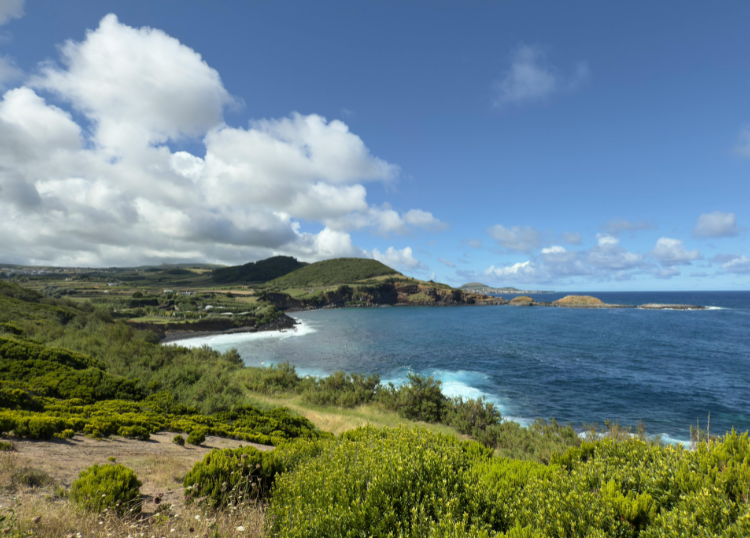
South Africa's coastline stretches between two oceans, creating a remarkable variety of marine environments.
Cold, nutrient-rich waters along the west coast support productive marine ecosystems, while the warmer waters of the east coast provide different habitats for fish, dolphins, turtles and other marine species.
For travellers, this means that marine wildlife experiences can vary considerably from one coastal destination to another.
Some places are particularly well known for seasonal whale sightings. Others offer opportunities to watch dolphins from coastal viewpoints, visit protected penguin colonies or observe seals around rocky shores.
The best experiences do not always require a boat trip.
Clifftop paths, beaches, nature reserves and coastal promenades can provide rewarding opportunities to watch wildlife from land.
Here are some of the South African coastal destinations worth considering when planning a marine wildlife trip.
Hermanus: Southern Right Whales From the Shore
Hermanus, in the Western Cape, is one of South Africa's best-known whale-watching destinations.
The town overlooks Walker Bay, where southern right whales are frequently seen during their breeding and calving season.
Sightings are generally most likely between June and November, although timing and numbers vary.
One of Hermanus's greatest advantages is the opportunity to watch whales from land.
The coastal cliff paths provide elevated viewpoints over the bay, allowing visitors to look for whales without joining a boat excursion.
Breaching, tail movements and whales resting near the surface can sometimes be seen from these vantage points.
The surrounding coastline also makes Hermanus a worthwhile destination for walking, photography and short coastal breaks.
De Kelders: Quiet Whale-Watching Viewpoints
De Kelders, near Gansbaai, offers another excellent setting for watching southern right whales.
Its elevated coastline overlooks Walker Bay, providing broad views across the water.
During the whale season, animals may approach relatively close to shore, although sightings are never guaranteed.
The area is generally quieter than the busiest parts of Hermanus, which may appeal to visitors looking for a more relaxed coastal experience.
Rocky viewpoints and coastal walking routes provide opportunities to watch the ocean while enjoying the surrounding scenery.
Visitors should remain on safe paths and avoid approaching unstable cliff edges.
For travellers interested primarily in land-based whale watching, De Kelders is a strong addition to a Western Cape itinerary.
False Bay: Whales, Dolphins and Coastal Birdlife
False Bay offers several opportunities to observe marine wildlife from different parts of the coastline.
Southern right whales visit the bay seasonally, while dolphins and other marine animals may be seen at various times.
Coastal locations around Simon's Town, Kalk Bay and the southern peninsula provide useful viewpoints.
The bay also supports a variety of seabirds and other coastal species.
Wildlife activity changes with weather, sea conditions and the movement of prey.
A calm day with good visibility can make distant animals easier to spot.
Rather than expecting a particular sighting, allow time to watch the water and appreciate the wider coastal environment.
Boulders Beach: African Penguins Near Simon's Town
<text inline>One of the most accessible places to observe African penguins is </text><Entity category="point_of_interest" value="Boulders Beach" location="Simon's Town, Cape Town, South Africa"/>.
The protected penguin colony forms part of Table Mountain National Park and is well known for its boardwalk viewing areas.
These allow visitors to observe penguins while reducing disturbance to the birds and their nesting habitat.
African penguins are an endangered species, making responsible viewing especially important.
Visitors should remain on designated routes, avoid feeding the birds and never attempt to touch them.
Penguins may be present throughout the year, although their numbers and activity in particular areas can vary.
Boulders Beach is particularly suitable for families and travellers who want a marine wildlife experience without travelling far from Cape Town.
Hout Bay: Cape Fur Seals Around Duiker Island
Hout Bay is associated with the Cape fur seals that gather around nearby Duiker Island.
Boat excursions from the harbour may provide views of seals resting on rocks or moving through the surrounding water.
The island is an important haul-out area, and the number of seals visible can vary.
Sea conditions influence whether boat trips operate and how comfortable the journey will be.
Visitors should choose operators that maintain appropriate distances and avoid disturbing the animals.
The surrounding mountains and coastline add to the experience, making Hout Bay a popular stop on a Cape Peninsula trip.
Seals are wild animals and should be observed rather than approached or fed.
Cape Point: Marine Life Where Ocean Conditions Meet
The coastline around Cape Point and the Cape of Good Hope offers dramatic scenery and opportunities to observe marine wildlife.
Visitors may see seabirds, seals and, occasionally, whales or dolphins from coastal viewpoints.
The area is influenced by complex ocean conditions, which contribute to its varied marine environment.
However, Cape Point is not the exact point where the Atlantic and Indian oceans officially meet.
Its appeal lies in the rugged coastal setting and the chance to observe wildlife within a protected landscape.
Allow time for walks, viewpoints and changing weather.
Strong winds and rough seas are common, so visitors should follow reserve guidance and remain clear of dangerous coastal edges.
Plettenberg Bay: Dolphins and Seasonal Whales
Plettenberg Bay is one of the Garden Route's best-known destinations for marine wildlife experiences.
Dolphins may be seen along the coastline, while humpback and southern right whales visit the region seasonally.
The bay's beaches and elevated viewpoints provide opportunities for land-based observation.
Boat-based marine wildlife excursions are also available through operators working under the relevant permissions.
The Robberg Nature Reserve offers particularly scenic coastal walking routes.
Its rocky coastline is associated with Cape fur seals and a variety of seabirds.
Visitors should check trail conditions and allow enough time for the chosen walking route.
Plettenberg Bay combines wildlife viewing with beaches, hiking and other outdoor activities.
Robberg Nature Reserve: Seals and Coastal Wildlife
<Entity category="point_of_interest" value="Robberg Nature Reserve" location="Plettenberg Bay, Western Cape, South Africa"/> deserves particular attention for travellers who enjoy watching marine animals from coastal paths.
The peninsula extends into the ocean and provides elevated views of the surrounding water.
Cape fur seals gather along sections of the rocky coastline.
Depending on conditions and the season, visitors may also spot dolphins or whales offshore.
The reserve's trails vary in length and difficulty, with exposed sections that require suitable footwear and care.
Wildlife should be observed from safe distances.
Robberg is especially rewarding for travellers who prefer combining a coastal hike with the possibility of marine wildlife sightings.
Tsitsikamma: Marine Life Along a Protected Coast
The Tsitsikamma section of Garden Route National Park protects a striking stretch of coastline.
Rocky shores, forested slopes and steep cliffs create a distinctive environment for coastal wildlife.
Visitors may see dolphins offshore, seabirds along the coast and other marine animals depending on conditions.
The Storms River Mouth area is a popular starting point for coastal walks and viewpoints.
The marine protected area also plays an important conservation role.
Fishing and other activities are restricted in designated areas, and visitors should follow the applicable park rules.
Tsitsikamma is particularly appealing for travellers who want to combine marine scenery with forest walks and outdoor activities.
Algoa Bay: Dolphins, Whales and Seabirds
Algoa Bay, near Gqeberha in the Eastern Cape, is known for its varied marine wildlife.
Dolphins occur in the bay, and several whale species may be encountered seasonally.
The wider area is also important for seabirds, including African penguins.
Some islands within the bay support significant breeding colonies, although access is controlled.
Boat-based wildlife experiences may provide opportunities to observe animals in their natural environment.
Choose operators that follow the applicable marine wildlife regulations and prioritise responsible viewing.
Algoa Bay is a useful destination for travellers interested in seeing several types of marine wildlife within one coastal region.
St Lucia and iSimangaliso: A Different Marine Environment
The KwaZulu-Natal coastline offers marine environments that differ from those of the Western Cape.
Around St Lucia and the iSimangaliso Wetland Park, visitors can experience coastal habitats associated with warmer waters.
Seasonal whale activity may be observed offshore, while the broader protected area supports an exceptional variety of wildlife.
Some beaches within iSimangaliso are important nesting areas for sea turtles.
Turtle nesting and hatchling experiences are seasonal and should take place only through authorised, responsibly managed activities.
Visitors must avoid disturbing nesting animals, eggs or hatchlings.
This part of the coast is especially appealing for travellers interested in marine conservation and protected natural environments.
Sodwana Bay: Coral Reefs and Underwater Wildlife
Sodwana Bay is one of South Africa's best-known scuba-diving destinations.
Its reef systems support a wide range of marine life, including reef fish, rays and other species.
Diving conditions and suitable sites depend on weather, sea state and diver experience.
The area also forms part of the wider iSimangaliso protected environment.
For qualified divers, guided excursions can provide opportunities to observe marine ecosystems below the surface.
Snorkelling opportunities may be available under suitable conditions, although visitors should seek local guidance about safe locations.
Responsible diving involves avoiding contact with coral, maintaining appropriate buoyancy and respecting marine animals.
The health of the reef environment depends partly on how carefully visitors interact with it.
When Is the Best Time to See Marine Wildlife?
The best time to travel depends on the animals you hope to see.
Southern right whales are generally associated with the winter and spring months along parts of the South African coast.
Humpback whales undertake seasonal migrations, with viewing opportunities varying by region.
African penguins and Cape fur seals can be observed throughout the year at established colonies, although their behaviour and visibility change.
Dolphin sightings are possible in several coastal regions across different seasons, but they remain unpredictable.
Sea conditions also matter.
Calm weather and good visibility can improve the experience, particularly for boat trips and distant land-based sightings.
Check seasonal guidance for the specific destination before making travel arrangements.
Choose Responsible Marine Wildlife Experiences
Marine wildlife tourism should avoid unnecessary disturbance to animals and their habitats.
For boat-based excursions, choose operators with the relevant authorisations and appropriate safety procedures.
Responsible operators should follow applicable approach distances and avoid chasing or crowding wildlife.
Visitors should never feed wild marine animals or attempt to touch them.
At penguin colonies, seal haul-out areas and turtle nesting beaches, designated viewing routes and access restrictions should be respected.
Photography should not take priority over animal welfare.
A good marine wildlife experience allows animals to continue their natural behaviour without pressure from visitors.
Plan a Coastal Wildlife Trip With Flexibility
Marine wildlife sightings depend on natural conditions rather than fixed schedules.
Even destinations known for particular species cannot guarantee an encounter.
Build some flexibility into the itinerary.
Allow time for coastal walks, nature reserves and other activities if boat excursions are cancelled because of weather.
For families, land-based viewing areas may provide a more comfortable alternative to extended trips at sea.
Binoculars can be useful for watching distant animals, while suitable clothing is important in exposed coastal environments.
A flexible approach often makes the trip more enjoyable because the experience does not depend entirely on one sighting.
Final Thoughts
South Africa offers an impressive range of marine wildlife experiences along its coastline.
Hermanus and De Kelders are particularly well known for seasonal whale watching.
Boulders Beach provides opportunities to observe endangered African penguins, while Hout Bay and Robberg are associated with Cape fur seals.
Plettenberg Bay, Algoa Bay and the KwaZulu-Natal coast offer further possibilities for seeing dolphins, whales and other marine species.
The best destination depends on the season, the type of wildlife you want to see and whether you prefer land-based viewing or guided marine excursions.
Wherever you travel, responsible observation should remain a priority.
Keeping a respectful distance, following local rules and choosing suitable operators helps protect the animals and habitats that make these coastal experiences possible.
With realistic expectations and a little patience, a South African coastal trip can offer memorable opportunities to appreciate marine wildlife in its natural environment.