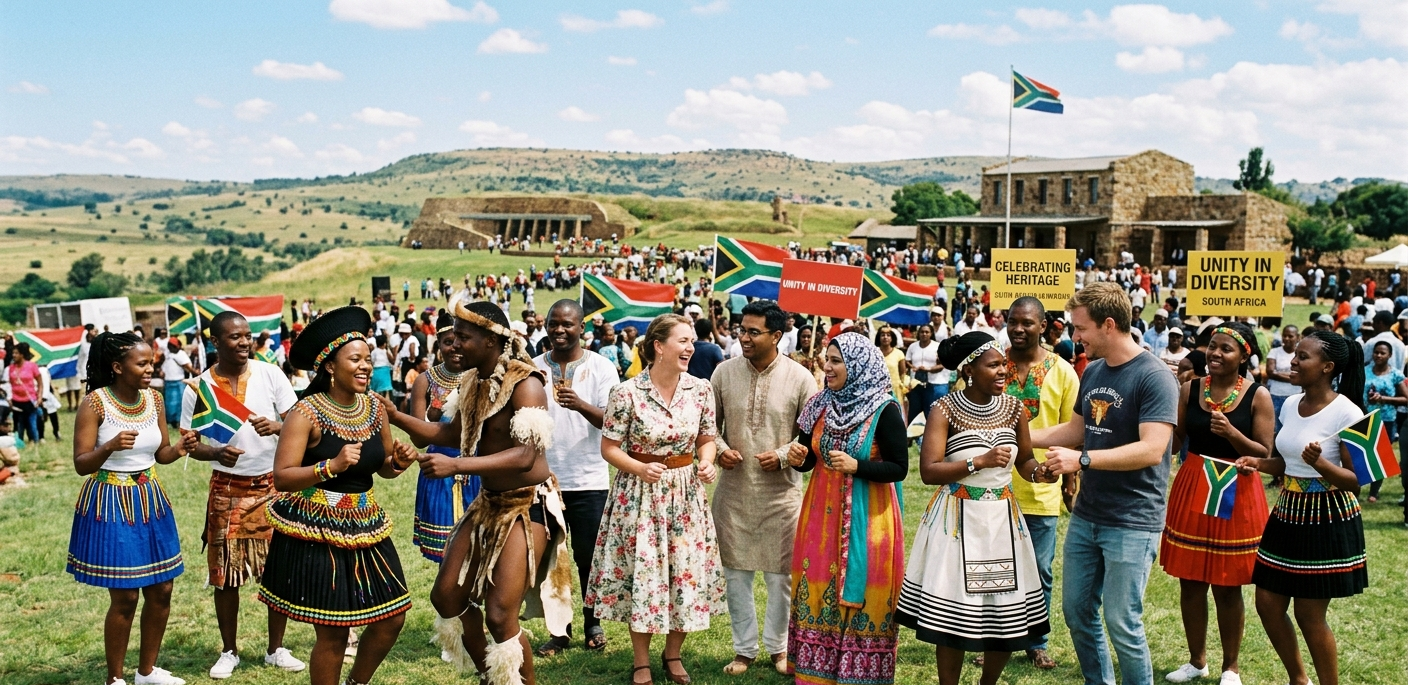
South Africa is one of the most culturally diverse nations in the world. Often referred to as the “Rainbow Nation,” the country is home to a rich blend of ethnic groups, languages, traditions, and historical influences that have shaped its unique identity. From ancient indigenous cultures to colonial history and modern democratic transformation, South Africa’s cultural heritage reflects resilience, creativity, and unity in diversity.
Understanding South Africa’s cultural heritage provides deeper insight into the country’s people, customs, and national identity. Its vibrant traditions continue to influence art, music, cuisine, architecture, and everyday life across the nation.
The Diversity of South African People
One of the most remarkable aspects of South Africa’s heritage is its multicultural population. The country officially recognizes 11 languages, including Zulu, Xhosa, Afrikaans, English, Tswana, and Sotho. This linguistic diversity reflects the many ethnic communities that call South Africa home.
Major cultural groups include the Zulu, Xhosa, Pedi, Tswana, Venda, Ndebele, Afrikaner, Indian South African, and Coloured communities. Each group contributes unique customs, clothing styles, ceremonies, music, and storytelling traditions to the country’s cultural landscape.
Traditional celebrations and rituals remain important in many communities. Ceremonies such as weddings, initiation rites, and ancestral gatherings continue to play a central role in preserving heritage and strengthening family ties.
The Influence of Indigenous Heritage
Long before colonial settlement, indigenous communities thrived throughout South Africa. The San and Khoikhoi people are among the earliest known inhabitants of the region and contributed significantly to the country’s cultural foundation.
Rock art created by the San people can still be found in several parts of the country, offering valuable insight into ancient beliefs and daily life. These artworks are considered some of the oldest examples of human creativity in Africa and remain an important part of South Africa’s archaeological heritage.
Indigenous knowledge systems, including traditional healing practices, oral storytelling, and agricultural methods, continue to influence modern South African society today.
Historical Landmarks and Heritage Sites
South Africa’s history is deeply connected to its cultural identity. The country is home to numerous heritage sites that reflect both triumph and struggle throughout its past.
Robben Island is one of the nation’s most significant historical landmarks. The island served as a prison during apartheid and held political leaders, including Nelson Mandela, for many years. Today, it stands as a symbol of freedom, democracy, and human rights.
Another important site is Cradle of Humankind, a UNESCO World Heritage Site known for its remarkable fossil discoveries. The area has provided some of the world’s oldest evidence of human ancestry and highlights South Africa’s importance in human history.
Historical townships such as Soweto also play a major role in preserving cultural memory and showcasing the country’s journey toward equality and democracy.
South African Music and Dance
Music and dance are central elements of South African culture. Traditional rhythms and modern sounds blend together to create one of the world’s most vibrant music scenes.
Genres such as amapiano, kwaito, jazz, gospel, and traditional African music have gained international popularity. South African artists continue to shape global music trends while celebrating local heritage and storytelling.
Traditional dances often accompany ceremonies and festivals. Zulu dances, gumboot dancing, and Xhosa performances are powerful expressions of community identity and cultural pride. Music is also closely connected to South Africa’s political history, especially during the anti-apartheid movement when songs became symbols of resistance and hope.
Traditional South African Cuisine
South Africa’s culinary traditions reflect the country’s multicultural influences. Indigenous African cuisine combines with Dutch, Indian, Malay, and British flavors to create diverse and flavorful dishes.
Popular foods include braai (barbecue), bobotie, pap, bunny chow, and boerewors. Meals often serve as social gatherings that bring families and communities together.
Local ingredients such as maize, meat, spices, and fresh vegetables remain central to many traditional recipes. Food continues to play an important role in preserving cultural identity across generations.
Art, Craftsmanship, and Storytelling
South Africa is also known for its rich artistic traditions. Handmade beadwork, pottery, weaving, wood carvings, and paintings showcase the creativity of local artisans and preserve cultural symbolism.
Storytelling has long been an important tradition within many communities. Oral histories passed down through generations help preserve wisdom, moral lessons, and historical experiences.
Modern South African artists and filmmakers continue to explore themes of heritage, identity, and social change while gaining international recognition.
Preserving South Africa’s Cultural Heritage
As South Africa continues to modernize, preserving cultural heritage remains essential. Museums, cultural festivals, educational programs, and heritage tourism all contribute to protecting traditions for future generations.
The country’s cultural richness is not only reflected in its history but also in the everyday lives of its people. South Africa’s heritage celebrates diversity, resilience, and the power of unity despite historical challenges.
For visitors and locals alike, exploring South Africa’s cultural heritage offers a meaningful journey into one of the world’s most dynamic and historically significant nations.