
South Africa is a country renowned for its diverse landscapes, rich cultural heritage, and fascinating history. One of the best ways to experience the nation’s unique legacy is through its UNESCO World Heritage Sites. These internationally recognised locations represent places of outstanding cultural, historical, scientific, and natural importance.
From ancient fossil sites that reveal the origins of humankind to stunning wetlands teeming with wildlife, South Africa’s UNESCO World Heritage Sites showcase the country’s remarkable contributions to world heritage. Here is a closer look at these extraordinary destinations and why they deserve a place on every traveller’s itinerary.
What Is a UNESCO World Heritage Site?
A UNESCO World Heritage Site is a landmark or area designated by the United Nations Educational, Scientific and Cultural Organization (UNESCO) as having exceptional value to humanity. These sites are protected and preserved because of their cultural, historical, scientific, or environmental significance.
South Africa is home to several UNESCO World Heritage Sites, each offering a unique perspective on the country’s past, present, and natural wonders.
The Cradle of Humankind
One of the Most Important Archaeological Sites on Earth
Located northwest of Johannesburg, the Cradle of Humankind is one of the world's most significant paleoanthropological sites. The area contains a network of limestone caves where scientists have discovered some of the oldest hominid fossils ever found.
These discoveries have provided valuable insights into human evolution and the origins of humanity. Fossils uncovered here have helped researchers better understand how early human ancestors lived millions of years ago.
Visitors can explore interactive exhibits, museums, and cave systems that bring this remarkable history to life.
Robben Island
A Symbol of Freedom and Democracy
Situated off the coast of Cape Town, Robben Island is one of South Africa’s most iconic historical landmarks. The island served various purposes over the centuries, including a prison, military base, and hospital.
Its most famous role was as a maximum-security prison during the apartheid era, where Nelson Mandela spent 18 years of his imprisonment. Today, Robben Island stands as a powerful symbol of the struggle against racial oppression and the triumph of democracy.
Guided tours often include former political prisoners who share firsthand accounts of life on the island.
iSimangaliso Wetland Park
South Africa’s First UNESCO World Heritage Site
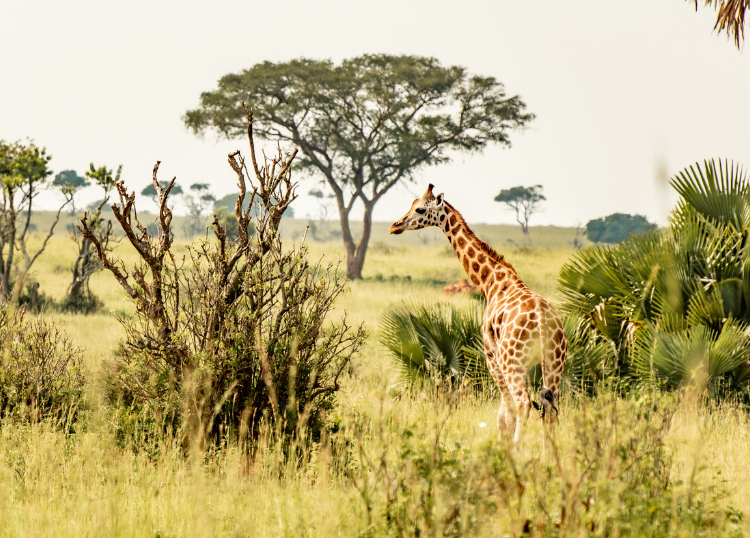
Located along the KwaZulu-Natal coast, iSimangaliso Wetland Park is celebrated for its extraordinary biodiversity. The park encompasses wetlands, lakes, beaches, coral reefs, forests, and savannah ecosystems.
Visitors can encounter a wide variety of wildlife, including hippos, crocodiles, sea turtles, whales, and hundreds of bird species. The park's diverse habitats make it one of Africa's most important conservation areas.
Its natural beauty and ecological significance earned it UNESCO World Heritage status in 1999.
uKhahlamba-Drakensberg Park
A Natural and Cultural Treasure
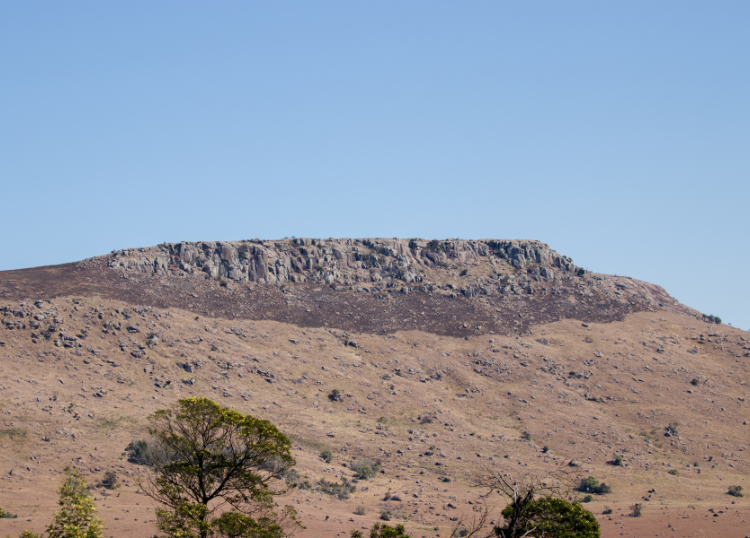
The uKhahlamba-Drakensberg Park combines spectacular mountain scenery with important cultural heritage. Located in the Drakensberg mountain range, the park features dramatic cliffs, waterfalls, and hiking trails.
The area also contains thousands of ancient San rock art paintings, some dating back thousands of years. These artworks provide valuable insight into the beliefs and daily lives of South Africa's indigenous hunter-gatherer communities.
The site's combination of natural beauty and cultural significance makes it one of South Africa's most unique UNESCO locations.
Mapungubwe Cultural Landscape
The Birthplace of Southern Africa’s First Kingdom
The Mapungubwe Cultural Landscape in Limpopo Province preserves the remains of a powerful African kingdom that flourished between the 11th and 13th centuries.
Archaeological discoveries reveal that Mapungubwe was a sophisticated trading centre connected to international trade routes linking Africa, Asia, and the Middle East. The famous Golden Rhino artifact discovered at the site remains one of South Africa’s most treasured archaeological finds.
Today, visitors can explore ancient settlements and learn about one of Africa’s earliest complex societies.
Richtersveld Cultural and Botanical Landscape
Preserving Indigenous Heritage
The Richtersveld Cultural and Botanical Landscape in the Northern Cape is recognised for both its cultural traditions and unique desert ecosystem.
The region is home to the Nama people, who continue to practice traditional semi-nomadic pastoralism. Their way of life has adapted to the harsh desert environment over centuries.
The area also boasts remarkable plant diversity, including numerous succulent species found nowhere else on Earth.
Cape Floral Region Protected Areas
A Global Biodiversity Hotspot
The Cape Floral Region is one of the world’s richest centres of plant diversity. Although relatively small compared to other floral regions globally, it contains thousands of plant species, many of which are endemic to South Africa.
This UNESCO site includes several protected areas across the Western Cape and Eastern Cape. During spring, the landscape bursts into colour as wildflowers bloom across mountains and valleys.
The region is particularly famous for its fynbos vegetation, which supports a remarkable range of plant and animal life.
Vredefort Dome
Evidence of a Massive Meteor Impact
The Vredefort Dome in the Free State represents the largest and oldest visible meteor impact structure on Earth. Formed approximately two billion years ago, the site offers valuable geological insights into planetary processes.
Scientists and geology enthusiasts visit the area to study the impact crater and its influence on the surrounding landscape. The site provides a fascinating glimpse into Earth's ancient geological history.
Why UNESCO World Heritage Sites Matter
UNESCO World Heritage Sites help preserve locations that have exceptional value for future generations. They promote conservation, education, tourism, and cultural understanding while protecting important natural and historical resources.
In South Africa, these sites tell the story of human evolution, ancient civilizations, environmental diversity, and the ongoing pursuit of freedom and equality.
Conclusion
South Africa’s UNESCO World Heritage Sites reflect the country's extraordinary natural beauty, cultural richness, and historical significance. From the fossil discoveries of the Cradle of Humankind to the powerful legacy of Robben Island and the breathtaking landscapes of iSimangaliso and the Drakensberg, these sites offer unforgettable experiences for visitors and invaluable lessons for humanity.
Whether you are a history enthusiast, nature lover, or curious traveller, exploring South Africa’s UNESCO World Heritage Sites provides a deeper appreciation for the nation’s remarkable heritage and its contribution to the world.