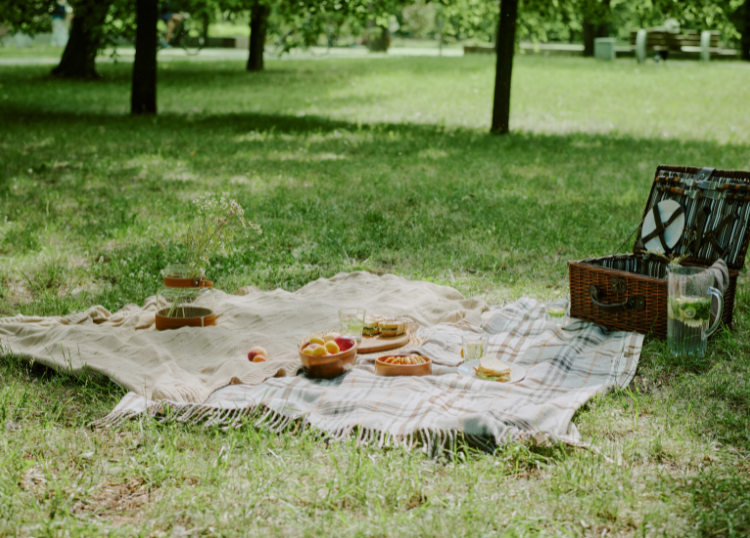
Some of the best meals on a South African holiday do not require a restaurant reservation.
A shaded lawn, mountain view and basket of good food can be enough.
South Africa is particularly well suited to picnics because its landscapes change so dramatically between regions. You can eat beneath Table Mountain, beside a river in the Winelands, among sandstone cliffs in the Free State or in a botanical garden where wildlife and indigenous plants become part of the afternoon.
The difficulty is not finding somewhere attractive.
It is deciding which view you want with lunch.
Kirstenbosch National Botanical Garden, Cape Town
Kirstenbosch is one of Cape Town's classic picnic destinations.
The garden sits against the eastern slopes of Table Mountain, combining landscaped lawns with indigenous vegetation and dramatic mountain scenery. SANBI describes Kirstenbosch as one of its flagship national botanical gardens, with features including indigenous plant collections and the well-known treetop canopy walkway.
The lawns make it relatively easy to find a place to sit, although popular areas can become busy during weekends, holidays and events.
Kirstenbosch works particularly well for travellers who want a relaxed afternoon rather than a picnic that requires a long drive or hike.
Combine lunch with:
- A walk through the gardens
- The canopy walkway
- Indigenous plant displays
- Mountain views
Check current garden rules before bringing food, alcohol or specialised picnic equipment.
Why Kirstenbosch Works So Well for Families
A good family picnic destination needs more than scenery.
It needs room.
Kirstenbosch gives children space to move without requiring the entire family to commit to a demanding hiking route.
You can spend an hour eating and then walk through the gardens at your own pace.
That flexibility makes it useful for multi-generational groups too.
Cape Point and the Cape Peninsula
The Cape Peninsula provides some of South Africa's most dramatic coastal picnic scenery.
Cliffs, fynbos, rocky coastline and open ocean create a setting that feels remarkably wild despite being reachable as a day trip from Cape Town.
Picnic opportunities vary across the wider peninsula and Cape Point area, so visitors should use designated places and follow current SANParks rules rather than stopping wherever the view looks attractive.
Wind can be a major factor.
A beautiful coastal picnic becomes much less relaxing when everything in the basket is attempting to reach the Atlantic before you do.
Choose Your Cape Peninsula Picnic According to the Weather
Cape weather can change quickly.
On a still day, an exposed coastal position may be ideal.
When the south-easter is strong, a more sheltered location can be considerably more comfortable.
Before unpacking, consider:
- Wind direction
- Shade
- Nearby wildlife
- Exposure
Sometimes the better picnic spot is not the one with the biggest view.
It is the one where you can actually keep lunch on the plate.
Assegaaibosch Nature Reserve, Stellenbosch
For a quieter Winelands picnic, Assegaaibosch Nature Reserve provides a particularly attractive option near Stellenbosch.
The small reserve lies beside the much larger Jonkershoek Nature Reserve and includes a dedicated picnic area. CapeNature currently limits picnic capacity and applies separate picnic access arrangements; alcohol is not permitted.
The combination of mountain surroundings, riverine vegetation and proximity to Stellenbosch makes it useful for travellers who want nature without spending the entire day travelling to a remote destination.
Because capacity is limited, checking current access before arriving is sensible.
Jonkershoek Nature Reserve, Stellenbosch
Jonkershoek is one of the Western Cape's most striking mountain valleys.
The reserve covers roughly 9,800 hectares and sits around nine kilometres from Stellenbosch, with mountain scenery, hiking routes and access to the neighbouring Assegaaibosch area.
It works well for people who like the idea of combining a picnic with a more active day.
You might spend the morning walking before settling down for lunch.
However, access arrangements can change. CapeNature currently advises that parking on the Jonkershoek circular route is closed from 23 March 2026 until further notice, requiring visitors to use outside parking and walk further to reach trails.
Always check current conditions before planning the day.
The Winelands Offer More Than Restaurant Lunches
Stellenbosch, Paarl and Franschhoek are often associated with long lunches at wine estates.
That is deserved.
But the mountains and nature reserves surrounding these towns can provide an equally memorable outdoor meal.
A simple picnic can also create a welcome break between:
- Wine estates
- Historic towns
- Scenic drives
You do not need every meal on a Winelands trip to become a formal tasting menu.
Harold Porter National Botanical Garden, Betty's Bay
The coastal route between Cape Town and the Overberg contains several places worth slowing down for.
Harold Porter National Botanical Garden sits within exceptionally rich coastal fynbos and forms part of SANBI's national garden network.
The garden can work beautifully as part of a Clarence Drive road trip.
Its appeal lies in the combination of:
- Mountain setting
- Indigenous vegetation
- Water
- Coastal proximity
Rather than simply driving from Cape Town towards Hermanus, allow enough time to stop and experience the landscape properly.
Botanical Gardens Make Easy Picnic Destinations
One reason botanical gardens work so well is that they remove much of the logistical uncertainty associated with wilderness picnics.
They typically provide established paths, maintained grounds and easier access.
South Africa's national botanical garden network includes destinations such as Kirstenbosch, Walter Sisulu and Harold Porter, each offering a different landscape and ecological character.
They can suit:
- Families
- Couples
- Older travellers
- Visitors wanting a relaxed nature experience
You still get scenery without needing hiking boots and a detailed trail map.
Walter Sisulu National Botanical Garden, Gauteng
Gauteng residents do not need to drive across the country for a good picnic.
Walter Sisulu National Botanical Garden provides one of the province's best-known natural outings and has been a popular recreational destination for well over a century. SANBI also highlights the garden's Verreaux's eagle activity as one of its notable wildlife experiences.
For Johannesburg and surrounding areas, it offers an easy way to turn an ordinary weekend afternoon into time outdoors.
The combination of lawns, indigenous vegetation and dramatic natural features makes it particularly suitable for groups that want somewhere accessible without feeling entirely urban.
Look Up Occasionally
Picnics encourage everyone to focus on food.
At destinations such as Walter Sisulu, it is worth looking beyond the blanket too.
Birdlife can be one of the highlights.
Binoculars make a useful addition to the picnic basket if you have them.
You do not need to be a serious birder to enjoy noticing what is happening around you.
Golden Gate Highlands National Park, Free State
Golden Gate offers an entirely different picnic landscape.
The park lies in the foothills of the Maluti Mountains near Clarens and is known for sandstone formations that take on striking orange and red tones in changing light. SANParks highlights hiking, self-drive routes and mountain scenery among the park's attractions.
For travellers driving through the eastern Free State, this is the sort of destination where lunch deserves more than a quick stop at a service station.
Bring food and allow time to sit somewhere permitted and take in the landscape.
Golden Gate Is Particularly Good for Road Trips
The R712 runs through the park, making Golden Gate relatively easy to incorporate into a broader road-trip itinerary. The park's self-drive loops also provide scenic viewpoints without requiring a four-wheel-drive vehicle.
A practical day could include:
Clarens → scenic drive → walk or viewpoint → picnic → return via the park
The drive itself becomes part of the experience.
Picnic Near Clarens, Then Spend Time in Town
Clarens and Golden Gate complement each other well.
You can spend part of the day outdoors and then return to town for:
- Coffee
- Galleries
- Shops
- Dinner
This combination works especially well for travellers who enjoy nature but do not necessarily want to camp or spend the entire day hiking.
Mountain Picnics Require Layers
The higher the landscape, the more quickly conditions can change.
A sunny picnic can become cold when:
- Wind increases
- Clouds arrive
- Sun drops behind the mountains
Keep an extra layer nearby.
This is particularly sensible in Free State and Drakensberg mountain environments.
The Drakensberg
Few South African picnic backdrops compete with the Drakensberg.
Towering peaks, grasslands, rivers and long valley views provide countless places where a simple packed lunch can become memorable.
The exact picnic location should depend on the reserve, resort or hiking area you are visiting.
Some places provide established picnic facilities.
Others require visitors to carry food along trails.
Always follow the rules applying to the specific protected area.
Combine a Picnic With a Short Drakensberg Walk
You do not need to complete an all-day mountain route to enjoy the landscape.
A shorter walk followed by lunch can be enough.
This works particularly well for:
- Families
- Beginners
- Travellers with limited time
Choose the walking route according to weather, fitness and available daylight.
Mountain conditions deserve respect even on relatively easy trails.
KwaZulu-Natal Midlands
The Midlands provides a gentler picnic landscape.
Rolling hills, farms, forests and small towns make the region ideal for slow road trips.
A picnic can fit naturally between:
- Farm stalls
- Craft stops
- Nature areas
- Scenic drives
This is a good destination for travellers who enjoy making the journey itself part of the holiday.
Farm Picnics Can Remove the Packing
Not every picnic requires preparing sandwiches before sunrise.
Some farms, estates and tourism properties offer prepared picnic baskets or dedicated picnic experiences.
These can be particularly convenient for travellers staying in hotels or guesthouses without kitchen facilities.
Before booking, check:
- Whether baskets need advance ordering
- What is included
- Whether vegetarian or other dietary options are available
- Where the picnic may be enjoyed
Availability can be seasonal.
The Magaliesberg
For Gauteng and North West travellers, the Magaliesberg provides another accessible escape from the city.
Mountain views, farms and countryside accommodation create plenty of opportunities for an outdoor afternoon.
Many visitors combine picnics with:
- Hiking
- Accommodation stays
- Spa weekends
- Scenic drives
Because individual properties apply their own rules, confirm whether outside food is allowed before arriving with a fully packed basket.
Hartbeespoort and Surrounding Countryside
Hartbeespoort can become crowded, but quieter spots around the broader region can still provide attractive views of water and mountains.
The key is choosing the location rather than simply arriving at the busiest public area.
Look for:
- Nature reserves
- Gardens
- Established picnic facilities
- Accommodation properties allowing day visitors
Waterfront areas are particularly popular on warm weekends, so quieter mornings may be preferable.
Pretoria's Gardens and Green Spaces
Pretoria contains a number of green spaces suited to relaxed outdoor meals.
For families, a well-maintained garden can often be easier than travelling to a remote reserve.
Consider practical issues such as:
- Parking
- Toilets
- Shade
- Opening times
- Picnic rules
The most scenic destination is not automatically the most useful one when travelling with small children or older relatives.
Mpumalanga's Escarpment
Mpumalanga offers enormous picnic potential because viewpoints and natural attractions are often already part of a scenic driving itinerary.
Travellers moving through the Panorama Route may be tempted to eat quickly between stops.
Do the opposite.
Choose one scenic place where picnicking is permitted and stay for a while.
The escarpment deserves time.
Don't Picnic at Random Viewpoints
A viewpoint does not automatically allow picnicking.
Some locations may have:
- Limited parking
- Safety barriers
- No suitable waste facilities
- Rules against food
Use designated areas where possible.
Stopping beside a narrow mountain road because the view looks good can be dangerous.
The Lowveld Offers Picnic-and-Safari Days
In wildlife areas, established picnic sites can provide a welcome break during long game drives.
The experience is completely different from an ordinary park picnic because wildlife may be relatively nearby.
Follow all reserve instructions.
Never assume a picnic area is safe for wandering beyond designated boundaries.
Wildlife Will Notice Your Food
Monkeys, baboons and other opportunistic animals quickly learn where people eat.
Do not:
- Feed wildlife
- Leave food unattended
- Encourage animals closer for photographs
An animal taking food from visitors may become increasingly problematic and dangerous.
Keep food secured and follow staff instructions.
Addo and Eastern Cape Road Trips
The Eastern Cape offers a useful mixture of wildlife, mountains and coastline.
A picnic can fit easily into a self-drive itinerary between major destinations.
Depending on the route, travellers can combine lunch with:
- National parks
- Mountain scenery
- Small towns
- Coastal stops
The province rewards travellers willing to spend longer between the headline attractions.
The Wild Coast
The Wild Coast provides extraordinary picnic scenery.
Cliffs, beaches, grasslands and river mouths create settings that can feel remarkably remote.
The difficulty is access.
Road conditions and local knowledge matter.
A scenic point marked close to your accommodation on a map may require considerably more travel time than expected.
Ask local hosts where picnicking is appropriate.
Beach Picnics Need Tide Awareness
A broad beach at lunchtime can become considerably narrower when the tide rises.
Before setting up close to the water, consider:
- Tides
- Waves
- Wind
- Safe swimming areas
Do not place belongings where incoming water can trap or soak them.
For remote beaches, be particularly careful about currents and changing conditions.
Garden Route Picnics
The Garden Route offers almost every kind of picnic landscape.
Within one regional trip you can encounter:
- Forests
- Beaches
- Lakes
- Mountains
- Rivers
That variety makes picnic stops particularly easy to incorporate.
A day does not need to revolve around the picnic itself.
It can become a relaxed break between other activities.
Forest Picnics Feel Completely Different
Eating beneath tall trees provides a different atmosphere from an exposed coastal lunch.
Forest sites can offer:
- Shade
- Cooler temperatures
- Birdlife
- Shelter from some wind
However, conditions can also be damp.
Bring a picnic blanket with a suitable underside if the ground is likely to be wet.
Knysna and the Surrounding Forests
Knysna works particularly well as a base for travellers combining food, forest and coastal scenery.
A picnic day can include:
- Short forest walks
- Scenic drives
- Lagoon views
The area's popularity means well-known sites can be busy during holiday periods.
Travelling early or outside peak weeks can make a substantial difference.
Wilderness and Lakes
The Wilderness area offers an attractive combination of water, forest and coastal environments.
Picnic opportunities can be paired with:
- Canoeing
- Walking
- Birding
- Beach time
Families may particularly appreciate locations where they can combine lunch with a straightforward outdoor activity rather than planning separate outings.
De Hoop and the Overberg
The Overberg offers broad landscapes, fynbos and dramatic coastline.
De Hoop and surrounding areas can make excellent nature-focused road-trip destinations where a packed meal allows you to spend more time outdoors rather than returning to town for lunch.
Always use approved locations and follow reserve rules.
During whale season, coastal viewpoints can make the experience particularly memorable.
West Coast Picnics
The West Coast has a completely different visual character from South Africa's greener eastern regions.
Think:
- Open skies
- Atlantic coastline
- Fynbos
- Seasonal flowers
Spring can be spectacular after suitable winter rainfall.
It is also one of the busiest periods in some flower-viewing areas.
If you want a quiet picnic, timing matters.
Namaqualand in Flower Season
During strong flower years, Namaqualand can produce remarkable landscapes.
A picnic allows you to stop experiencing the region through a car window.
Choose designated areas and avoid walking or driving across flower fields.
The perfect photograph is not worth damaging the plants everyone came to see.
Picnic Responsibly Around Wildflowers
Stay on:
- Roads
- Paths
- Existing picnic areas
Do not pick flowers in protected areas.
Avoid placing blankets directly on sensitive vegetation.
A picnic should leave the site looking essentially the same when you depart.
Northern Cape River Landscapes
The Northern Cape is not only desert.
River environments provide attractive contrasts to the surrounding dry landscape.
Shade becomes especially important in hotter regions.
Consider timing picnics for:
- Morning
- Late afternoon
rather than the hottest part of the day.
Always carry more drinking water than you think you need when travelling through remote parts of the province.
Karoo Picnics Are About Space
The Karoo's appeal is rarely lush greenery.
It is scale.
Wide skies, distant mountains and quiet landscapes can make roadside travel memorable.
Use established rest areas, reserves or accommodation properties rather than stopping unsafely beside major roads.
A thermos of coffee and a quiet viewpoint can sometimes be enough.
Picnic at Sunrise or Sunset
Lunch does not own the picnic.
A breakfast picnic can be particularly good in hot areas.
Pack:
- Coffee
- Fruit
- Pastries
- Simple breakfast food
Likewise, an early evening picnic can take advantage of softer light and cooler temperatures.
Check gate times if visiting a reserve or garden.
Choose the Destination According to the Group
The right picnic place for a couple may be inconvenient for a family with toddlers.
Before deciding, consider:
- Walking distance from parking
- Toilets
- Shade
- Accessibility
- Space for children
- Food restrictions
A spectacular place that requires carrying five bags uphill for an hour may not create the relaxed family afternoon you imagined.
Romantic Picnics Need Privacy More Than Extras
A romantic picnic does not require:
- Elaborate decorations
- Twenty cushions
- An enormous table setup
Often, a quieter setting and good food matter more.
Choose somewhere with:
- Pleasant view
- Enough privacy
- Comfortable shade
The location should do most of the work.
Family Picnics Need Practical Facilities
Families tend to benefit from destinations providing:
- Toilets
- Safe open space
- Easy parking
- Shade
Children rarely care whether the picnic styling looks perfect.
They care whether there is somewhere to run after eating.
Multi-Generational Picnics Need Accessibility
For older family members or people with limited mobility, check:
- Distance from parking
- Surface condition
- Steps
- Available seating
A garden or developed reserve may work considerably better than a remote hiking destination.
Scenery should be accessible to the people you are travelling with.
Check Whether You Need to Book
Some picnic locations limit visitor numbers.
Assegaaibosch, for example, currently limits daily picnic capacity.
Other destinations may require:
- Entry tickets
- Permits
- Advance picnic-basket reservations
Do not assume you can simply arrive during busy periods.
Check current arrangements before leaving.
Alcohol Rules Vary
Never assume wine or beer is allowed because you are having a picnic.
Individual gardens, nature reserves and public spaces apply different rules.
For example, CapeNature specifically states that alcohol is not permitted at Assegaaibosch.
Check before packing.
Ignoring the rule can ruin the afternoon before lunch has even started.
Braais Are Not Allowed Everywhere
A picnic and a braai are not automatically treated the same way.
Open flames may be restricted because of:
- Fire risk
- Conservation rules
- Smoke
- Facility limitations
Never light a fire unless the location specifically permits it in an approved area.
This is particularly important in fynbos and other fire-prone landscapes.
Fire Season Requires Extra Care
Parts of South Africa experience significant wildfire risk.
Rules around braais and flames may change according to conditions.
Follow instructions from:
- Parks
- Reserves
- Municipalities
Do not assume something allowed during winter remains permitted during a hot, dry summer period.
Pack Food That Travels Well
The best picnic food is rarely the most complicated.
Choose items that can survive transport and are easy to serve.
Useful options include:
- Sandwiches
- Wraps
- Fruit
- Cheese
- Crackers
- Salads in sealed containers
- Baked goods
Keep perishable food appropriately chilled.
Use a Cooler Bag
South African summer temperatures can become high quickly.
Food that requires refrigeration should not spend hours warming in a car.
Use an appropriate cooler and ice packs.
Food safety matters more than whether everything fits into a picturesque basket.
Bring Enough Water
Drinking water is easy to underestimate.
Bring enough for:
- Picnic
- Walk
- Drive home
Carry extra water in remote areas.
Do not assume every reserve or scenic destination has a shop or drinking-water point nearby.
A Good Picnic Blanket Matters
Grass can be:
- Damp
- Dusty
- Covered in small twigs
A blanket with a more water-resistant underside can make the picnic considerably more comfortable.
For rocky or uneven locations, a thicker mat may be useful.
Bring Sun Protection
Even mild days can involve substantial UV exposure.
Pack:
- Sunscreen
- Hats
- Sunglasses
Shade is useful, but it is not always available exactly where you want to sit.
This is particularly important for children.
Wind Is the Picnic Enemy Nobody Plans For
A slight breeze is pleasant.
A strong wind can turn:
- Napkins
- Paper plates
- Food packaging
into litter almost instantly.
Use containers with secure lids and avoid bringing unnecessary disposable items.
On very windy days, choose a sheltered destination instead.
Avoid Excessive Single-Use Packaging
Picnics can generate surprising amounts of rubbish.
Use reusable:
- Containers
- Cups
- Cutlery
- Bottles
where practical.
You will have less waste to manage and less lightweight packaging capable of blowing away.
Take Everything Home
Never assume someone else will clean the area after you.
If bins are:
- Full
- Unavailable
take your rubbish with you.
Bring a spare bag specifically for waste.
Leaving a site cleaner than you found it is a good rule for any outdoor destination.
Do Not Feed Wildlife
This applies whether you are picnicking near:
- Monkeys
- Baboons
- Birds
- Antelope
Feeding wild animals can change their behaviour and create future problems.
Secure food properly and do not intentionally attract animals towards the picnic area.
Keep Children Away From Wild Animals
A squirrel or monkey may look harmless.
It is still a wild animal.
Do not encourage children to:
- Approach
- Touch
- Feed
wildlife for photographs.
Give animals space.
Check Whether Pets Are Allowed
Pet policies vary widely.
Many protected areas do not permit domestic animals.
Others may allow dogs under specific conditions.
If travelling with a pet, check the destination's current policy before leaving.
Do not assume an outdoor space is automatically dog-friendly.
Check the Weather Before Leaving
Weather matters more for picnics than almost any restaurant meal.
Look at:
- Temperature
- Rain
- Wind
- Storm risk
If the forecast is poor, have an alternative plan.
There is no prize for enduring lunch in driving rain simply because you already packed sandwiches.
Have a Backup Destination
A useful backup might be:
- Covered market
- Café
- Restaurant
- Accommodation
This is especially important during road trips where weather can vary significantly between regions.
Flexible plans usually create better travel days.
Leave Time to Do Nothing
The point of a picnic is partly that there is no schedule.
Do not unpack, eat and immediately start packing again because the next attraction is waiting.
Leave enough time to:
- Talk
- Read
- Walk
- Look at the view
A picnic works best when it slows the day down.
Combine Picnics With Other Experiences
A picnic can fit naturally alongside:
- Hiking
- Botanical gardens
- Scenic drives
- Birding
- Beach walks
- Wildlife viewing
This makes it useful for travel itineraries because lunch becomes part of the activity rather than interrupting it.
Don't Build the Entire Day Around Social Media Photos
A visually impressive picnic can be enjoyable.
But carrying an enormous decorative setup into a nature reserve often creates more work and waste than value.
Respect rules around:
- Commercial photography
- Decorations
- Furniture
- Large gatherings
Keep the experience proportionate to the setting.
Check Current Information Before Travelling
Opening times, permits, access routes, fire restrictions and picnic rules can change.
This is particularly important for:
- Nature reserves
- National parks
- Botanical gardens
For example, current access arrangements at Jonkershoek have changed because of parking restrictions affecting the circular route.
Use official sources before departure rather than relying entirely on an old travel article.
A Practical Picnic Checklist
Before heading out, check:
- Is picnicking allowed?
- Do you need to book?
- What are the gate times?
- Is alcohol permitted?
- Are braais permitted?
- Are pets allowed?
- Is there shade?
- Are toilets available?
- Is the site accessible for everyone in the group?
- What is the weather forecast?
- Do you have enough water?
- Do you have a bag for rubbish?
A few minutes of planning can prevent most avoidable picnic problems.
Final Thoughts
South Africa's best scenic picnic destinations prove that a memorable meal does not require a dining room.
Kirstenbosch places you beneath Table Mountain.
The Stellenbosch reserves provide mountain valleys and indigenous vegetation.
Golden Gate offers vast sandstone landscapes, while botanical gardens in Gauteng provide easy access to nature without requiring a full road trip.
Further afield, the Garden Route, Drakensberg, Wild Coast, Karoo and Namaqualand offer completely different settings for the same simple idea.
Bring good food.
Check the rules.
Pack enough water.
Take your rubbish home.
Then stay longer than lunch requires.
The real value of a scenic picnic is not the basket or the food.
It is giving yourself a reason to stop somewhere beautiful instead of simply driving past it.