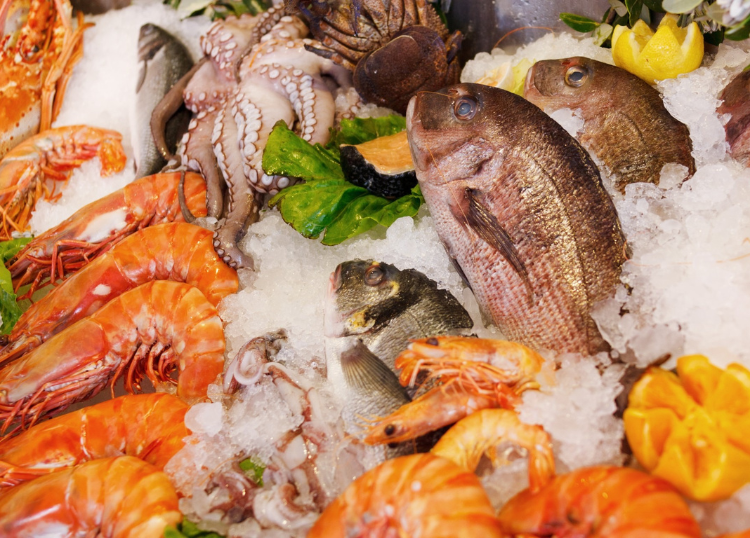
Few meals feel as closely connected to a destination as fresh seafood eaten near the harbour where fishing boats come ashore.
Along South Africa's coastline, seafood is part of the identity of many towns.
Fishing traditions, local ingredients and regional cooking styles shape what appears on menus.
On the West Coast, simple preparations of fish and traditional seafood dishes reflect generations of coastal life.
Along the Garden Route, oysters, fish restaurants and waterfront dining form part of the visitor experience.
Further east, the warmer Indian Ocean coastline brings different flavours, including seafood curries and grilled fish.
However, a coastal location does not automatically mean that every restaurant serves locally caught seafood.
Availability depends on fishing seasons, weather, regulations and supply arrangements.
The most rewarding seafood trips combine an interest in food with an understanding of the places and communities behind it.
These South African coastal towns provide a useful starting point.
Why South Africa Is a Good Destination for Seafood Lovers
South Africa has a long coastline stretching between the Atlantic and Indian Oceans.
Different marine environments support different fisheries and coastal food traditions.
Cold Atlantic waters influence much of the West Coast's fishing heritage.
The southern and eastern coastline offers a different mix of marine species and culinary influences.
Seafood is prepared in many ways.
Traditional fish and chips remain popular in harbour towns.
Restaurants may also serve grilled line fish, calamari, mussels, oysters and seafood curries.
The variety makes coastal travel particularly appealing for people who enjoy regional food.
However, responsible seafood choices remain important.
Some species face conservation pressures, and the legal availability of particular seafood products may change.
Visitors should consider both the dining experience and the sustainability of what they order.
Paternoster: A West Coast Seafood Favourite
Paternoster is one of the Western Cape's best-known fishing villages.
Its whitewashed buildings, sandy beaches and longstanding fishing identity make it a popular destination for coastal weekends.
Seafood is central to the town's food culture.
Visitors can find restaurants offering fish and other seafood dishes, often prepared with a strong emphasis on regional ingredients.
The experience ranges from casual meals to more refined dining.
Paternoster is also a place where the setting contributes significantly to the meal.
Ocean views, fishing boats and the slower pace of village life create a distinctive atmosphere.
Visitors should remember that seafood availability varies.
Not every species associated with the West Coast will be available throughout the year.
Langebaan: Seafood Beside the Lagoon
Langebaan is known for its lagoon, water sports and relaxed coastal atmosphere.
It is also a convenient destination for seafood-focused trips from Cape Town.
Restaurants in and around the town serve a range of fish and shellfish dishes.
The area's coastal food traditions are closely associated with the broader West Coast.
A seafood lunch can be combined with time beside the lagoon or a visit to the surrounding West Coast National Park.
The town becomes particularly busy during holiday periods.
Booking ahead may be sensible when planning a meal at a popular restaurant.
Visitors should also distinguish between seafood served locally and seafood sourced from the immediate area.
A restaurant's location does not necessarily indicate the origin of every ingredient.
Saldanha: A Working Harbour With a Seafood Heritage
Saldanha is closely associated with commercial fishing, maritime activity and its sheltered bay.
Unlike destinations developed mainly around tourism, the town retains a strong working-harbour identity.
The surrounding area has a longstanding connection with seafood production and processing.
Saldanha Bay is particularly associated with mussel and oyster aquaculture.
These activities contribute to the region's seafood economy.
Visitors interested in the relationship between food and local industry may find Saldanha appealing.
Seafood experiences can be combined with a wider trip through the West Coast.
As with other coastal destinations, restaurant offerings and seafood availability should be confirmed before travelling.
Velddrif: River Views and Traditional West Coast Food
Velddrif sits near the mouth of the Berg River.
The town is known for its fishing heritage, river scenery and traditional food culture.
One of its most distinctive products is bokkoms, traditionally prepared by salting and drying small fish.
This food is closely associated with the West Coast.
Bokkoms are not a typical fresh seafood restaurant dish, but they provide insight into how coastal communities have preserved fish over generations.
Visitors can also look for local fish dishes and other seafood offerings.
A visit to Velddrif is particularly worthwhile for travellers interested in regional food traditions.
The experience is as much about understanding the town's identity as it is about sitting down to a meal.
Lambert's Bay: A Traditional Fishing Town
Lambert's Bay is another West Coast destination with a strong fishing identity.
The town is associated with fishing activity, coastal scenery and straightforward seafood dining.
Fish and chips, grilled fish and other seafood dishes are part of the local food offering.
The atmosphere is generally less formal than that of larger coastal tourism centres.
Visitors can combine a meal with time at the harbour or a visit to the area's well-known seabird attractions.
The surrounding coastline also provides opportunities for photography and beach walks.
As in other fishing towns, weather conditions can influence daily catches.
A flexible approach to menu choices can make the experience more rewarding.
Hout Bay: Seafood and Harbour Life Near Cape Town
Hout Bay offers a convenient seafood outing for visitors staying in Cape Town.
The harbour remains an important part of the area's identity.
Fish and chips are a longstanding attraction, particularly for people looking for a casual meal near the waterfront.
The broader area also offers restaurants serving different seafood dishes.
Hout Bay's appeal extends beyond food.
The surrounding mountains, beach and coastal roads make it a popular destination for day trips.
Visitors can combine lunch with a scenic drive along Chapman's Peak Drive when the road is open.
The harbour can become busy during weekends and holidays.
Allowing time for parking and pedestrian movement can make the visit more comfortable.
Kalk Bay: Fish Restaurants and a Working Harbour
Kalk Bay is one of Cape Town's most recognisable coastal neighbourhoods.
Its harbour, independent shops and seaside restaurants attract both residents and visitors.
The area has a longstanding association with fishing.
Traditional fish and chips remain popular, while restaurants offer a broader range of seafood dishes.
Part of the appeal is the opportunity to spend time near an active harbour.
Fishing boats, harbour activity and views across False Bay contribute to the experience.
Kalk Bay is also well suited to a relaxed day out.
Visitors can browse shops, enjoy the waterfront and continue along the False Bay coastline.
Parking can be limited during busy periods, so planning ahead is useful.
Simon's Town: Seafood Along False Bay
Simon's Town combines maritime history, coastal scenery and access to several popular attractions.
The town's waterfront setting makes it a pleasant place to enjoy seafood.
Restaurants may offer grilled fish, calamari and other coastal dishes.
The town is also known for its naval heritage and proximity to Boulders Beach.
Visitors can combine a meal with a walk through the historic centre or a visit to the penguin viewing areas.
The atmosphere differs from that of a traditional West Coast fishing village.
Simon's Town has a strong historical and maritime character.
Its location makes it a practical stop on a wider False Bay day trip.
Hermanus: Coastal Dining With Ocean Views
Hermanus is best known for its whale-watching opportunities.
However, the town also has an established restaurant scene.
Seafood is a natural part of the dining offering, with restaurants serving fish, shellfish and other coastal dishes.
The town's oceanfront setting is a major attraction.
Visitors can enjoy a meal before or after walking along the coastal paths.
Hermanus is particularly busy during the whale-watching season and major holiday periods.
Reservations may be useful for popular restaurants.
Seafood-focused travellers can also use Hermanus as a base for visiting other coastal settlements in the Overberg.
The combination of food, scenery and marine attractions makes it suitable for a longer stay.
Gansbaai: Fishing Traditions in the Overberg
Gansbaai is widely associated with marine tourism and fishing activity.
The town's harbour and coastal communities form an important part of its character.
Seafood dining is available in the broader area, although the experience is generally different from that of larger restaurant destinations.
Visitors interested in working coastal towns may appreciate this setting.
Gansbaai can also be combined with nearby De Kelders and other Overberg attractions.
Marine wildlife experiences are a major drawcard, but visitors should choose operators that follow responsible practices.
A seafood meal provides an opportunity to support local hospitality businesses while spending time in the area.
As always, menu availability should be confirmed rather than assumed.
Struisbaai: Fresh Fish Near the Southern Coast
Struisbaai is known for its long sandy beach, harbour and relaxed holiday atmosphere.
The town has a strong connection with recreational and commercial fishing.
Seafood is a natural choice for visitors spending time near the harbour.
Traditional fish dishes and casual coastal meals suit the area's informal character.
Struisbaai is also close to Cape Agulhas, the southernmost point of the African continent.
This makes it a useful stop on a coastal road trip.
Visitors can combine beach time, sightseeing and a seafood meal without travelling far between attractions.
During peak holiday periods, the town can become considerably busier.
Mossel Bay: Seafood on the Garden Route
Mossel Bay is a popular starting point for Garden Route travel.
Its harbour, beaches and maritime history provide a strong coastal setting.
The town offers a variety of dining options, including restaurants serving seafood.
Fish, calamari and other familiar coastal dishes are commonly associated with the local restaurant scene.
Mossel Bay is also convenient for travellers following the N2.
A seafood stop can be combined with visits to historical attractions or coastal viewpoints.
The town has a broader tourism offering than some smaller fishing villages.
This makes it suitable for families and travellers who want several activities alongside their dining plans.
Knysna: Oysters and Waterfront Dining
Knysna is one of South Africa's best-known oyster destinations.
The town's lagoon, estuary setting and seafood traditions have contributed to its culinary reputation.
Oysters are closely associated with Knysna's identity.
However, the origin and availability of oysters served in restaurants can vary, and visitors should not assume every oyster is harvested locally.
The waterfront offers a range of dining experiences.
Visitors can enjoy seafood while looking towards the lagoon and surrounding hills.
Knysna also provides access to forests, beaches and scenic viewpoints.
Its combination of food and outdoor attractions makes it a popular stop on a Garden Route itinerary.
Plettenberg Bay: Seafood With a Coastal Holiday Atmosphere
Plettenberg Bay is known for its beaches, ocean views and holiday accommodation.
Its restaurant scene includes seafood dining alongside a broader selection of cuisines.
Visitors may find grilled fish, calamari, mussels and other seafood dishes, depending on the establishment and supply.
The town's coastal setting makes it particularly appealing for leisurely lunches.
A seafood meal can be combined with beach time, nature walks or visits to nearby attractions.
Plettenberg Bay is also well positioned for travelling through the eastern Garden Route.
During the summer holiday period, popular dining areas can become busy.
Planning meals around quieter times may help avoid unnecessary waiting.
Jeffreys Bay: Seafood After a Day at the Beach
Jeffreys Bay is internationally associated with surfing.
However, its coastal setting also makes seafood a popular dining choice.
Visitors can find casual restaurants serving fish and other seafood dishes.
The town's atmosphere is generally relaxed and strongly connected to beach activities.
A seafood lunch or dinner can follow a morning of surfing, swimming or walking along the shoreline.
Jeffreys Bay is also a useful stop when travelling between the Garden Route and Gqeberha.
The experience is less focused on harbour activity than in some traditional fishing towns.
Instead, seafood forms part of a broader coastal holiday lifestyle.
Port Alfred: Seafood Beside the Kowie River
Port Alfred sits along the Eastern Cape coast at the mouth of the Kowie River.
The town combines beaches, river activities and a relaxed holiday atmosphere.
Seafood is part of the local restaurant offering.
Visitors can look for fish dishes and other coastal meals while spending time near the river or ocean.
Port Alfred is also convenient for travellers interested in the Sunshine Coast.
Its surrounding area offers smaller coastal settlements and scenic routes.
The town can serve as a base for a quieter seafood-focused holiday.
Restaurant choices and opening times may vary outside peak travel periods.
Kenton-on-Sea: A Quieter Coastal Food Stop
Kenton-on-Sea is known for its beaches and position between the Kariega and Bushmans rivers.
It offers a quieter coastal experience than larger holiday centres.
Seafood may feature on local restaurant menus, although the selection is generally more limited than in major dining destinations.
The town is particularly appealing for travellers who want to combine meals with outdoor activities.
Beach walks, river scenery and nature-based outings are central to the experience.
Kenton-on-Sea is a useful option for a relaxed coastal break.
Visitors planning a specific seafood meal should check restaurant availability in advance.
This is especially important outside the main holiday season.
Port St Johns: Seafood on the Wild Coast
Port St Johns is one of the Wild Coast's most recognisable destinations.
Its dramatic scenery, river mouth and surrounding hills create a distinctive setting.
The town has strong connections with coastal and river-based livelihoods.
Visitors may find fish and other seafood dishes at local establishments.
However, restaurant infrastructure and availability differ from those in more developed tourism centres.
Travellers should approach the area with realistic expectations and allow time for local arrangements.
The main attraction is the combination of coastal food, landscape and regional character.
Port St Johns is particularly suited to travellers interested in a less conventional coastal journey.
Coffee Bay: Coastal Food and Rural Scenery
Coffee Bay is known for its beaches, rolling hills and access to the Hole in the Wall area.
The destination offers a different experience from the restaurant-focused towns of the Western Cape.
Seafood may be available through accommodation establishments and local eateries.
However, menus and supply can vary.
Visitors should not assume that particular seafood dishes will be available on arrival.
The area's appeal lies in its landscape, cultural context and slower pace of travel.
A meal here is often part of a wider experience of the Wild Coast.
Responsible tourism and respect for local communities are important considerations.
Ballito: Seafood Along the KwaZulu-Natal North Coast
Ballito is a popular coastal destination north of Durban.
Its beaches, holiday accommodation and restaurant scene attract visitors throughout the year.
Seafood is well represented among the town's dining options.
Restaurants may offer grilled fish, prawns, calamari and seafood dishes influenced by regional tastes.
The warmer coastal climate contributes to Ballito's appeal.
Visitors can combine dining with beach activities and nearby coastal attractions.
Ballito is generally more developed than smaller fishing villages.
This makes it suitable for travellers who prefer a wider choice of accommodation and restaurants.
Umhlanga: Coastal Dining Near Durban
Umhlanga is known for its beaches, promenade and established hospitality sector.
The area offers numerous dining choices, including seafood restaurants.
Visitors can enjoy familiar seafood dishes as well as preparations influenced by Durban's broader culinary traditions.
The coastal setting is a major part of the experience.
A meal can be combined with a walk along the promenade or time at the beach.
Umhlanga is also convenient for travellers arriving through King Shaka International Airport.
However, it is primarily a developed coastal dining destination rather than a traditional fishing town.
Seafood sourcing varies between establishments.
St Lucia: Seafood Near the iSimangaliso Wetland Park
St Lucia is a popular base for visiting the iSimangaliso Wetland Park.
The town is associated with estuary scenery, wildlife and access to the surrounding coastline.
Its restaurants serve a range of meals, including seafood options.
The dining experience can form part of a wider nature-focused holiday.
Visitors may spend the day on wildlife activities or coastal excursions before returning for dinner.
The town's proximity to sensitive marine and wetland environments makes responsible tourism especially important.
Seafood choices should respect applicable fishing and conservation regulations.
Visitors should also remember that wildlife can occur within and around the town.
Local safety guidance should be followed.
What Seafood Should You Look For?
The best seafood choice often depends on the region, season and responsible availability.
Hake is a familiar option in many South African fish restaurants.
Calamari is another popular dish, served grilled or fried.
Mussels and oysters feature in various coastal dining experiences.
Some restaurants also offer line fish, with the species changing according to supply.
West Coast food traditions include preserved fish products and regional preparations.
Along the KwaZulu-Natal coast, seafood may be served with stronger spice influences.
Rather than choosing a restaurant solely because it advertises a particular species, ask what is available and where it comes from.
A changing menu can reflect responsible sourcing and seasonal conditions.
How to Tell Whether Seafood Is Fresh
Freshness is important, but it is not always possible to judge it from a restaurant menu.
A useful starting point is to ask about the day's seafood selection.
Restaurants that understand their supply should generally be able to explain what they are serving.
However, fresh seafood is not necessarily caught locally that morning.
Some high-quality seafood is transported under controlled conditions or frozen appropriately to maintain safety and quality.
The important considerations include sourcing, handling, storage and preparation.
Visitors should avoid assuming that frozen seafood is automatically inferior.
Likewise, a harbour view does not guarantee that a restaurant serves locally caught fish.
Clear information from the establishment is more useful than appearance alone.
Choose Seafood With Sustainability in Mind
South Africa's marine resources require careful management.
Fishing pressure, habitat conditions and changing environmental factors can affect seafood populations.
Consumers can support responsible choices by asking about species and sourcing.
The WWF Southern African Sustainable Seafood Initiative, commonly known as SASSI, provides guidance on seafood sustainability.
Its recommendations can help consumers assess particular species and sources.
However, sustainability status may differ according to fishing method, location and stock.
A species name alone may not provide enough information.
Visitors should also avoid purchasing seafood from sellers who cannot provide reasonable assurance of legal sourcing.
Responsible dining helps protect the coastal resources that make these destinations appealing.
Understand Seasonal and Weather-Related Availability
Seafood availability changes throughout the year.
Fishing regulations, closed seasons and weather conditions influence what can be legally and practically supplied.
Strong winds and rough seas may prevent fishing vessels from operating.
Aquaculture products have different production and supply considerations.
These factors can affect restaurant menus.
Visitors planning a trip around a specific seafood dish should confirm availability beforehand.
This is particularly important for products subject to strict harvesting rules.
A flexible approach allows travellers to enjoy what is responsibly available rather than expecting the same menu throughout the year.
Combine Seafood Stops With Coastal Road Trips
Seafood destinations work particularly well as part of a coastal road trip.
The Western Cape offers routes linking fishing villages, harbours and scenic coastal towns.
The Garden Route combines seafood dining with forests, lagoons and beaches.
The Eastern Cape provides opportunities to visit quieter coastal settlements.
KwaZulu-Natal offers warmer-water destinations and a different culinary character.
A practical itinerary should allow enough time to enjoy each place.
Trying to visit too many towns in one day can make the experience rushed.
It is often more rewarding to select a few destinations and include time for local attractions.
Plan Around Busy Holiday Periods
Popular coastal towns can become crowded during school holidays and long weekends.
Restaurants may experience high demand.
Parking can also be difficult in smaller harbour areas.
Booking ahead may be useful for restaurants that accept reservations.
Visitors should confirm operating hours, particularly during public holidays.
In smaller towns, some establishments may have limited opening days outside peak periods.
Accommodation should also be arranged early when travelling during busy seasons.
A little preparation can help make the trip more relaxed.
Support Local Coastal Businesses
Seafood tourism contributes to the economies of many coastal communities.
Restaurants, accommodation providers, food producers and tourism operators may all benefit from visitor spending.
However, coastal economies are more complex than tourism alone.
Fishing communities face challenges related to resource management, operating costs and market access.
Travellers can support local businesses by choosing reputable establishments and purchasing responsibly sourced products.
Respect for working harbours and fishing operations is also important.
Visitors should avoid entering restricted areas or interfering with equipment.
The most meaningful coastal experiences recognise the people and industries behind the food.
Final Thoughts
South Africa offers a wide range of coastal destinations for seafood lovers.
Paternoster, Lambert's Bay and other West Coast towns are closely connected to traditional fishing culture.
Kalk Bay and Hout Bay combine seafood dining with active harbour settings.
Knysna is particularly associated with oysters, while Mossel Bay and Plettenberg Bay provide appealing Garden Route dining options.
Further east, the Eastern Cape and KwaZulu-Natal offer different coastal landscapes and regional food influences.
The best destination depends on the type of experience you want.
Some travellers prefer a simple fish-and-chips meal beside a working harbour.
Others enjoy waterfront restaurants, longer lunches and a wider choice of dishes.
Whatever the preference, responsible sourcing and realistic expectations about availability matter.
By combining good seafood with time spent in coastal communities, visitors can enjoy a richer understanding of South Africa's shoreline and the food traditions connected to it.