South Africa remains one of the world’s most breathtaking travel destinations in 2026, attracting millions of international visitors with its wildlife safaris, vibrant cities, beaches, wine regions, and cultural experiences. However, safety continues to be one of the biggest concerns for travelers planning a visit.
So, is South Africa safe for tourists in 2026?
The short answer is yes — but travelers should remain cautious, informed, and aware of local safety conditions. While many tourists enjoy trouble-free trips every year, South Africa still experiences high crime rates in certain urban areas. Understanding where to go, what to avoid, and how to travel smartly can significantly reduce risks.
Recent crime statistics released by the South African government show a modest decline in violent crime during late 2025 and early 2026, including an 8.7% reduction in murders and a 6.7% drop in contact crimes such as robbery and assault.
At the same time, officials acknowledge that crime levels remain high compared to many other tourist destinations worldwide.
Why Tourists Still Visit South Africa in Large Numbers
Despite safety concerns, tourism in South Africa continues to grow strongly in 2026. According to recent tourism data, more than 3 million travelers passed through South African ports of entry in March 2026 alone.
Popular attractions like:
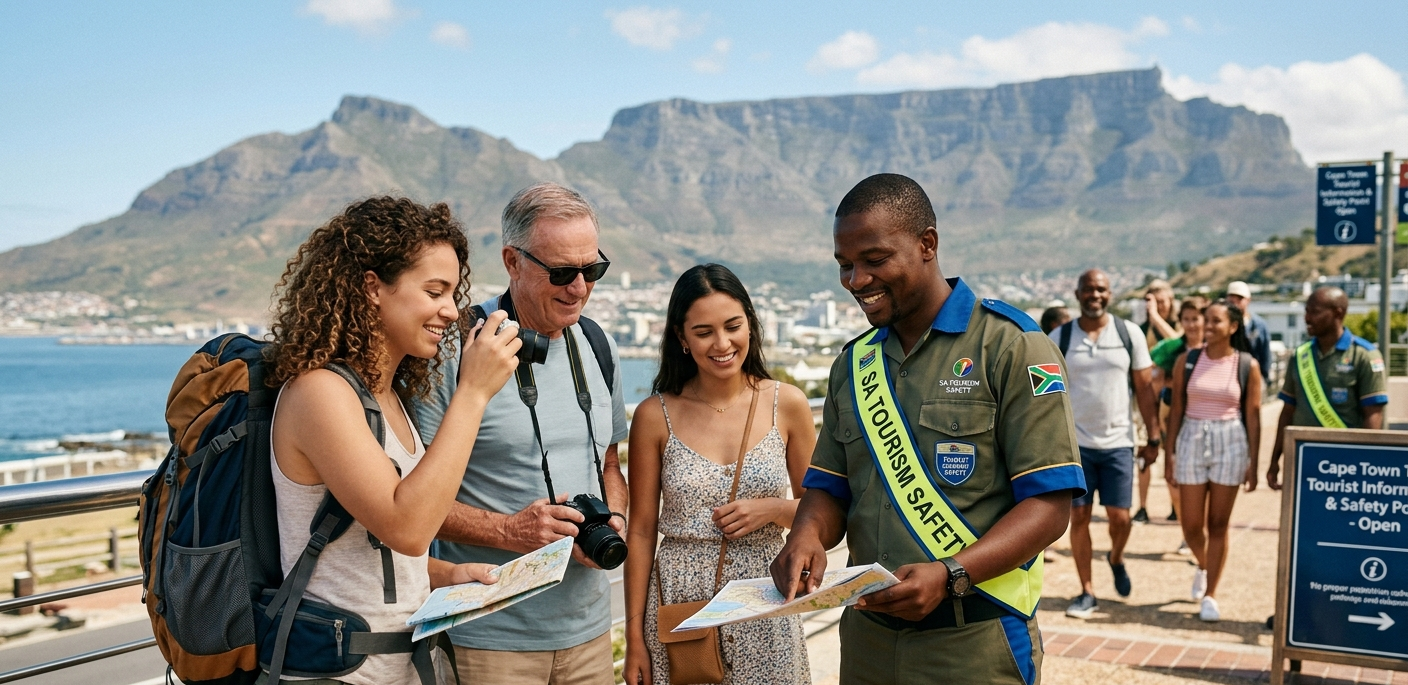
- Table Mountain
- Kruger National Park
- Cape Winelands
- Garden Route
continue to attract international visitors due to their world-class tourism infrastructure and natural beauty.
Most tourists who stay in well-known tourism areas, use reputable transport, and follow common-sense precautions complete their trips safely.
Which Areas Are Safest for Tourists?
Safety in South Africa varies significantly depending on the location. Tourist-focused areas generally have stronger security measures, visible police presence, and lower crime rates than some residential or high-poverty neighborhoods.
Generally Safer Tourist Areas Include:
- Cape Town Waterfront and major tourist districts
- Stellenbosch and the Cape Winelands
- Kruger National Park private reserves
- Garden Route towns such as Knysna and Plettenberg Bay
- Upscale parts of Durban and Johannesburg suburbs
Tourism-heavy zones often employ private security and surveillance systems designed to protect visitors.
However, travelers should avoid entering unfamiliar townships or isolated urban areas without a trusted local guide.
Main Safety Risks Tourists Should Know About
1. Petty Theft and Pickpocketing
The most common issue facing tourists is opportunistic theft. Pickpocketing, bag snatching, and phone theft can occur in crowded tourist areas, airports, markets, and beaches.
Travelers should:
- Avoid displaying expensive jewelry or electronics
- Keep valuables out of sight
- Use anti-theft bags
- Stay alert in crowded areas
2. Car Hijackings and Road Safety
Road travel in South Africa requires caution. Hijackings and smash-and-grab robberies occasionally occur at traffic lights in major cities.
Tourists are advised to:
- Keep car doors locked
- Avoid driving at night in unfamiliar areas
- Use GPS navigation carefully
- Choose reputable rental companies
Many visitors prefer using rideshare services such as Uber instead of public taxis.
3. Violent Crime in Certain Areas
While tourists are not usually targeted specifically, violent crime remains a national issue. Some neighborhoods in Johannesburg, Durban, and Cape Town experience significantly higher crime rates than tourist districts.
Travel advisories from several countries recommend exercising increased caution, particularly after dark.
Is Cape Town Safe in 2026?
Cape Town remains South Africa’s most visited city and is generally considered safer for tourists than many other urban centers, especially in established tourism zones.
Areas like:
- Camps Bay
- Sea Point
- V&A Waterfront
- Constantia
- Franschhoek
are popular among international travelers and typically maintain strong security.
However, hiking trails, isolated beaches, and certain outskirts can present risks. Visitors are encouraged to avoid walking alone at night and to join guided tours for hiking excursions.
Safety Tips for Visiting South Africa in 2026
To stay safe while traveling in South Africa:
- Use registered tour operators and accommodations
- Avoid walking alone after dark
- Keep emergency contacts accessible
- Stay aware of surroundings
- Use hotel safes for passports and valuables
- Avoid carrying large amounts of cash
- Research neighborhoods before visiting
Travel insurance is also highly recommended.
Final Verdict: Is South Africa Worth Visiting?
Yes — South Africa is still worth visiting in 2026 for travelers who prioritize safety and plan responsibly. The country offers extraordinary wildlife, stunning scenery, diverse cultures, and unforgettable experiences that few destinations can match.
Although crime remains a genuine concern, most tourist trips occur without serious incidents when visitors stay vigilant and follow local advice.
South Africa is not a destination for careless travel, but it can absolutely be a rewarding and safe experience for informed tourists.