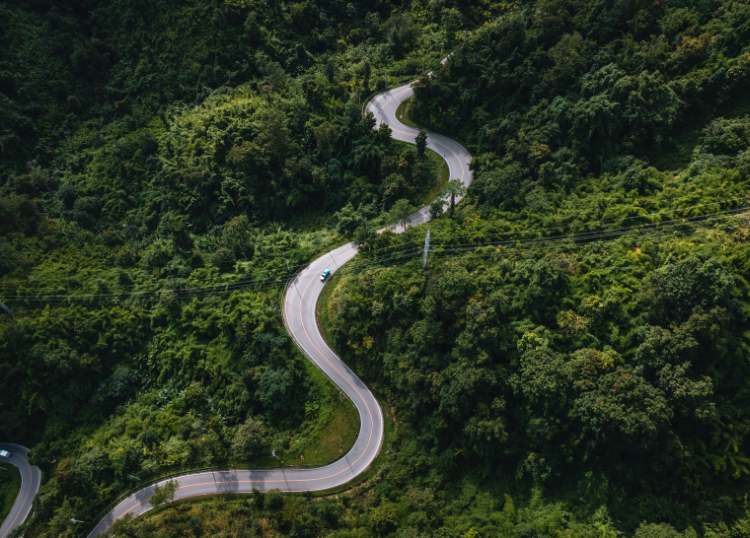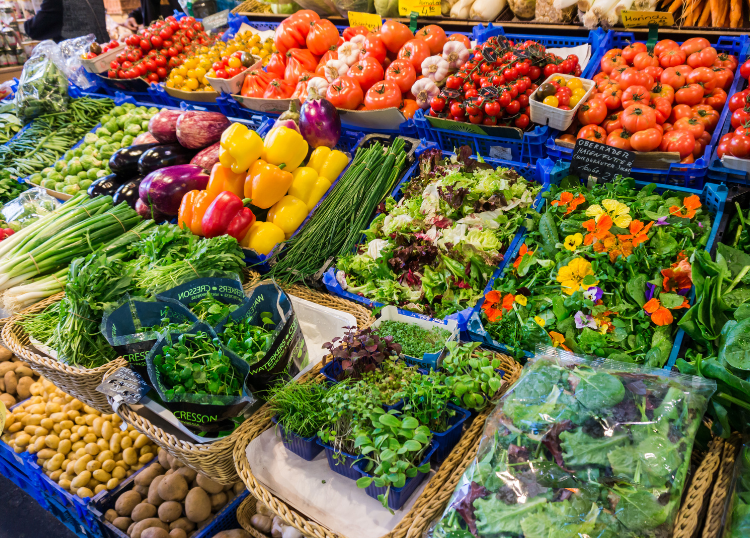

Food can completely change the way you experience a destination.
A town that seems quiet for much of the year can become animated during harvest season. Vineyards fill with activity, roadside stalls begin selling fruit picked nearby and restaurant menus start reflecting what farms, orchards and fishing communities are producing at that moment.
For travellers who enjoy eating well, planning around these seasonal changes can be far more rewarding than simply choosing restaurants after arriving.
South Africa is particularly well suited to this kind of travel. Its different climates, agricultural regions, coastlines and food traditions mean there is almost always something being harvested, caught, preserved or celebrated somewhere in the country.
The key is timing.
Seasonal Food Travel Is About Being in the Right Place at the Right Time
Modern supermarkets have made many ingredients available for much longer periods than their traditional growing seasons.
That convenience can make it easy to forget how strongly food is connected to time and place.
Travel changes the perspective.
Eating cherries close to the orchards during harvest feels different from buying them months later in a supermarket. Sitting down to a vineyard lunch while grapes are being picked nearby gives wine country another layer of meaning.
Seasonality turns food from something you consume into part of the destination itself.
The Cape Wine Harvest Is One of South Africa's Great Food Travel Seasons
Late summer and early autumn bring an unmistakable change to the Cape Winelands.
Vineyards become busy with picking, cellar activity increases and many estates begin marking harvest with lunches, tastings and special events.
For visitors, this can be one of the most interesting times to experience Stellenbosch, Paarl, Franschhoek, Constantia, Robertson and surrounding wine regions.
The attraction is not simply drinking wine.
Harvest gives visitors a closer view of where it comes from.
Some estates offer opportunities to see grapes arriving at the cellar, take part in harvest activities or attend meals centred on the season.
Harvest Season Changes the Atmosphere of the Winelands
Wine regions are attractive throughout the year, but harvest has a particular energy.
Tractors move between vineyard rows.
Crates of grapes arrive at cellars.
Winemakers and vineyard teams are working according to ripeness, weather and timing rather than the normal visitor schedule.
Restaurants on wine farms often respond with seasonal menus that suit warm days and long afternoons.
For travellers interested in food and agriculture, seeing the landscape during active production gives the destination much more context.
Grape Picking and Stomping Add a Hands-On Element
Some harvest celebrations allow visitors to participate in traditional grape-related activities.
Picking grapes or stepping into a barrel for grape stomping is obviously very different from the commercial winemaking process happening elsewhere on the property.
That is part of the appeal.
These activities give visitors a playful connection to harvest traditions and work particularly well for families, groups and travellers who want something more interactive than a conventional tasting.
They also provide a reason to visit wine country during a specific period rather than treating it as a year-round attraction with no seasonal difference.
Vineyard Lunches Are Worth Planning Ahead For
Long outdoor lunches suit harvest season particularly well.
Warm weather, working vineyards and late-afternoon light create the right setting for meals that stretch well beyond the usual restaurant timetable.
Some properties build menus around produce from their own gardens or nearby farms.
Others create special harvest meals paired with wines from the estate.
These experiences can become popular, especially over weekends.
Travellers planning a food-focused trip should therefore look at restaurant and estate calendars before finalising accommodation.
Stellenbosch Is an Obvious Base for Harvest Travel
Stellenbosch combines extensive wine tourism infrastructure with a large concentration of estates.
That makes it particularly convenient for visitors who want several food and wine experiences within a relatively compact area.
A single weekend can combine cellar visits, vineyard meals, farm produce and restaurants in town.
During harvest, the surrounding agricultural activity gives the region additional character.
Staying for more than a day also allows travellers to avoid rushing from one tasting to another and to spend more time appreciating individual farms.
Paarl Offers a Strong Agricultural Connection
Paarl's identity extends well beyond wine.
The surrounding valley is productive agricultural country, and seasonal travel can combine vineyards with farm stalls, fruit and rural food experiences.
Harvest events occasionally give visitors access to parts of wine production that are less visible during the rest of the year.
The area also works well as part of a broader Winelands road trip.
Rather than moving quickly between famous estates, travellers can build the trip around meals, farm stops and the changing agricultural landscape.
Franschhoek Is Particularly Well Suited to Food-Focused Weekends
Franschhoek has long been associated with restaurants and wine tourism.
Its compact valley makes it easy to build an itinerary around food without spending much of the day driving.
Seasonal restaurant menus can be particularly interesting because chefs have access to produce from farms throughout the surrounding region.
Travellers should resist the temptation to book every hour.
A long lunch followed by an unhurried afternoon often makes more sense than trying to fit several major meals and tastings into the same day.
Robertson Adds a Different Character to Wine Country
Robertson and the broader Route 62 region provide another option for travellers interested in wine harvests and farm-based experiences.
The surroundings feel different from the more intensively visited parts of the Cape Winelands.
There is more open agricultural space, and a road trip can include vineyards, farm stalls and smaller towns along the way.
The area works particularly well for travellers who want food and wine to form part of a broader countryside journey rather than being the sole focus.
Fruit-Picking Season Makes Farms Part of the Trip
Few food experiences connect travellers to agriculture as directly as picking fruit themselves.
South Africa's fruit-growing areas create seasonal opportunities for visitors to spend time in orchards and on working farms.
Availability depends entirely on crop, weather and individual farm schedules.
That unpredictability is exactly why planning ahead matters.
Fruit-picking trips work particularly well for families because the activity gives children something more engaging than simply visiting another restaurant or shop.
Ceres Is Closely Associated With Fruit Country
The Ceres Valley is one of South Africa's best-known fruit-producing regions.
Travelling through the area during harvest makes that agricultural identity obvious.
Orchards spread across the valley, packing activity increases and farm stalls reflect what is being produced nearby.
Different fruits have different picking periods, so there is no single "fruit season" that covers everything.
Travellers interested in a particular crop should check directly with farms before visiting.
A weekend in Ceres can combine food with mountain scenery, country roads and outdoor activities.
Cherry Season Can Justify an Entire Road Trip
Cherries have a relatively short season compared with many other fruits.
That limited window is part of what makes them such a strong travel experience.
Where farms permit public picking, visitors can spend part of the day in the orchard and return home with fruit harvested themselves.
The activity is simple, but it feels completely different from ordinary grocery shopping.
Because the season can vary according to weather and region, travellers should never assume that cherries will be available simply because they visited during the same month the previous year.
Ficksburg Has Built a Strong Identity Around Cherries
The Eastern Free State town of Ficksburg is closely associated with cherry farming and seasonal celebrations.
For much of the year it is a quiet agricultural town surrounded by mountain country.
During cherry season, the crop becomes a reason for visitors to travel specifically to the region.
The trip can extend beyond the fruit itself.
Nearby small towns, mountain scenery and countryside accommodation make the Eastern Free State suitable for a slower weekend or road trip.
Food becomes the reason to travel, while the region provides everything around it.
Elgin and Grabouw Offer More Than Apples
The Elgin Valley and Grabouw are strongly associated with apple and pear production.
The landscape is filled with orchards, farm businesses and cool-climate agriculture.
Visitors who travel through at different times of the year can see how dramatically the valley changes.
Spring brings blossom.
Later seasons bring growing fruit and harvest activity.
Wine production has also become an important part of the region, giving travellers the opportunity to combine orchard country with cool-climate wines and farm dining.
Orchard Blossom Can Be Part of the Food Experience
Food tourism does not have to happen only when produce is ready to eat.
Seeing orchards in blossom gives visitors another view of the agricultural cycle.
A spring trip through fruit-growing country can therefore be just as interesting as visiting at harvest.
The food connection becomes more visible when travellers understand where the fruit begins.
Returning later in the year during harvest can make the contrast particularly striking.
Seasonal travel is partly about recognising that farms are constantly changing rather than functioning as static visitor attractions.
Stone Fruit Creates Excellent Summer Road Trips
Peaches, nectarines, plums and apricots are strongly associated with warm summer months in many producing regions.
Farm stalls become especially rewarding when fruit has travelled only a short distance from the orchard.
This is one of the simplest seasonal food experiences available.
You do not need a formal tour.
A road trip through agricultural areas can include roadside stops, farm shops and local cafés using fruit in baked goods, preserves or desserts.
The quality of the experience often comes from freshness rather than complexity.
Farm Stalls Deserve More Than a Quick Fuel Stop
South African road trips are filled with farm stalls, but travellers often treat them as places to buy coffee and continue driving.
They can provide a much more interesting picture of regional food.
Look at what is locally grown.
Ask which preserves or baked products are made nearby.
Seasonal fruit, jams, dried produce, cheeses and baked goods can reveal more about the agricultural character of a district than a generic roadside convenience store.
The best farm-stall visits slow the journey rather than interrupt it.
Farm Stays Can Make Seasonal Food More Immediate
Staying on a working farm gives travellers more time to understand how food production shapes daily life.
Depending on the property and season, guests may be close to orchards, vineyards, vegetable gardens or livestock operations.
Some farm stays incorporate meals made from produce grown on the property.
Others simply provide accommodation within an agricultural setting.
Either way, waking up where food is being produced changes the relationship between meal and place.
It can be especially rewarding for travellers accustomed to experiencing food primarily through restaurants.
Farm-to-Table Dining Works Best When the Farm Is Visible
The phrase "farm-to-table" has become widely used.
The most memorable versions are usually the ones where visitors can actually see the relationship between the kitchen and the land.
A garden beside the restaurant, orchards surrounding the dining room or fields visible from the table give the idea physical meaning.
Seasonal menus then make sense because they reflect what is genuinely available.
The result does not need to be elaborate.
A simple ingredient served at the right time can be more memorable than a complicated dish made from produce that has little connection to the destination.
Spring Brings a Different Kind of Food Travel
Spring is often associated with new growth rather than harvest.
That makes it an interesting time to visit farms and markets.
Fresh greens, early vegetables, herbs and spring produce begin appearing while orchards and vineyards change visibly.
Outdoor markets become more pleasant as the weather warms.
Restaurants may move away from heavier winter dishes towards lighter menus.
For travellers who enjoy gardens and farms as much as restaurants, spring can provide a particularly attractive combination.
Farmers' Markets Show Seasonality Clearly
Farmers' markets can provide one of the easiest introductions to seasonal eating.
Unlike supermarkets, where supply chains can reduce visible seasonal differences, markets often reflect what local producers currently have available.
One month may be dominated by citrus.
Another brings berries, stone fruit or particular vegetables.
Talking directly to growers and food producers also provides context that is difficult to get from packaged retail products.
Markets are especially useful at the beginning of a food-focused trip because they can show what is currently in season before you visit surrounding farms and restaurants.
Summer Is Ideal for Long Outdoor Food Experiences
South African summers lend themselves naturally to eating outdoors.
Vineyard picnics, farm lunches, seafood meals and market evenings all become part of the travel calendar.
This is also a strong season for fruit.
The challenge is heat.
Midday outdoor activities can become uncomfortable in very warm inland regions.
Food trips work better when the itinerary follows the weather.
Morning farm visits, shaded lunches and later afternoon tastings often create a more comfortable rhythm than remaining outdoors continuously during the hottest part of the day.
Summer Fruit Is Worth Seeking Out Near Its Source
Mangoes, litchis, stone fruit, grapes and many other crops become closely associated with particular summer destinations.
Buying these products near producing areas can be one of the easiest pleasures of domestic travel.
The fruit does not need an elaborate presentation.
A bag bought from a roadside seller or farm stall can become as memorable as a restaurant meal when it is exceptionally fresh.
Travellers should still buy from reputable vendors and treat food safety sensibly, particularly in hot weather.
Limpopo Offers a Very Different Fruit Experience From the Cape
South Africa's northern agricultural regions provide seasonal food experiences that differ significantly from the Western Cape.
Subtropical conditions support crops such as mangoes, avocados and citrus in various parts of Limpopo and Mpumalanga.
Travelling during harvest periods means farm stalls and roadside sellers may have produce grown nearby.
These regions can be incorporated into bushveld or wildlife trips, allowing food to become part of a broader itinerary rather than a separate journey.
Citrus Country Has Its Own Seasonal Character
Citrus-producing districts change visibly as orchards move towards harvest.
Oranges, lemons, grapefruit and soft citrus are grown across several South African regions.
Travellers passing through agricultural areas during harvest may encounter farm stalls selling fruit close to its source.
Citrus is familiar enough that people rarely think of it as a travel experience.
Seeing the scale of production changes that perception.
A fruit eaten beside the orchards where it was grown has a sense of place that supermarket familiarity often hides.
Avocado Season Can Change Local Menus
In avocado-producing regions, seasonal supply can influence farm shops, markets and restaurant menus.
The ingredient may appear in ways that feel entirely ordinary locally but distinctive to visitors.
This is an important part of food travel.
Not every worthwhile experience needs to involve a festival or specially organised tasting.
Sometimes the most interesting meals are simply the ones that make sense in that place at that particular time of year.
Coastal Food Travel Follows a Different Calendar
Agricultural harvests are only one part of seasonal eating.
Along the coast, fishing conditions, regulations and natural cycles influence what is available.
That makes seafood travel more complicated.
A dish associated strongly with a coastal town is not necessarily available legally or sustainably throughout the year.
Visitors should be cautious about assuming that any seafood marketed as "local" is automatically seasonal or responsibly sourced.
Good restaurants should be able to explain where their seafood comes from.
The West Coast Is One of South Africa's Great Seafood Regions
Small towns along the West Coast have long-standing relationships with fishing.
Langebaan, Paternoster, Lambert's Bay and surrounding settlements offer visitors a food culture shaped strongly by the Atlantic.
Seafood is therefore part of the identity of the destination rather than simply another restaurant category.
A leisurely seafood lunch can become the central activity of the day.
Add coastal walks, harbour scenery and quiet roads, and the meal becomes part of a much broader experience.
Seafood Is Best Enjoyed With Seasonality in Mind
Responsible seafood travel requires more than looking for the most famous item on a menu.
Availability can change because of seasons, quotas, weather and fishing regulations.
Some species should not be treated as an unlimited year-round resource.
Travellers can ask restaurants what is fresh, locally sourced and currently available rather than arriving determined to order one particular species.
This approach often produces a better meal anyway.
It allows the destination and season to decide what should be on the plate.
West Coast Crayfish Requires Particular Care
West Coast rock lobster has a strong cultural and culinary association with the region.
It is also a tightly managed marine resource.
Legal recreational and commercial availability is governed by regulations and specific seasons, which can change.
Travellers should therefore never assume that crayfish is available legally simply because a restaurant or informal seller offers it.
Choose reputable establishments and check current regulations if participating in any harvesting activity.
A seasonal food experience is only worth celebrating when the resource behind it is being treated responsibly.
Mussels Are Closely Connected to Coastal Eating
Mussels appear naturally in the food traditions of several South African coastal regions.
They can be served in pots, sauces, stews or simple preparations that allow the seafood itself to remain central.
For travellers, the setting often matters as much as the dish.
Eating seafood within sight of the coast gives the meal a geographical connection that is difficult to reproduce inland.
As with all seafood, sourcing matters.
Local does not automatically mean sustainably harvested.
The Sardine Run Creates a Seasonal Coastal Spectacle
The winter sardine run along parts of the KwaZulu-Natal coast is better known as a wildlife event than a culinary one.
Large shoals moving along the coast attract marine predators, photographers, fishers and spectators.
For coastal communities, the season is also connected to fishing activity.
Travellers interested in food should view the event within its broader ecological context.
The value lies partly in understanding the relationship between ocean cycles, marine wildlife and coastal livelihoods rather than reducing the event simply to eating sardines.
Durban's Food Is Worth Travelling For in Any Season
Some destinations have food identities strong enough to justify a trip throughout the year.
Durban is one of them.
Its Indian-influenced food culture has produced dishes and flavours deeply connected to the city.
Seasonal produce and weather still affect how travellers experience the food.
Hot summer days suit some meals differently from cooler winter conditions, while market visits can change according to available produce.
A food trip to Durban works particularly well when restaurants, neighbourhoods, markets and coastal experiences are considered together.
Food Markets Can Be as Important as Restaurants
Restaurants show what chefs do with ingredients.
Markets show where ingredients enter everyday life.
Visiting both produces a fuller picture of a destination.
Markets can reveal spices, vegetables, preserved foods, baked products and prepared dishes that may never appear on formal restaurant menus.
They also encourage slower observation.
Instead of arriving with a fixed list of dishes to eat, travellers can see what people are actually buying and cooking.
Autumn Is Particularly Good for Harvest Travel
Autumn brings some of South Africa's strongest food-travel opportunities.
Grape harvests continue in parts of wine country.
Late summer fruit remains available.
The intense heat begins to ease in many inland regions, making road trips and outdoor dining more comfortable.
Restaurants often begin shifting menus as temperatures change.
The landscape also transforms.
Vineyard leaves turn colour, orchards move through harvest and rural towns begin settling into a slower winter rhythm.
For travellers who enjoy food and scenery equally, autumn can be an excellent compromise.
Winter Food Travel Has Its Own Appeal
Cold weather changes what people want to eat.
Long lunches become more attractive.
Soups, stews, slow-cooked meats, breads and warming desserts suit evenings beside fireplaces and mornings in small country towns.
Winter also gives travellers reasons to visit regions that receive much more attention during summer.
Instead of treating cold weather as an obstacle, food-focused travel can make it part of the experience.
A stormy coastline, warm restaurant and carefully prepared seasonal meal can be more memorable than another crowded summer lunch.
The Karoo Comes Into Its Own During Cooler Weather
The Karoo has a distinctive food identity shaped by its climate, farming history and long distances.
Lamb is strongly associated with the region, as are preserves, baked goods and traditional country cooking.
Cooler months make substantial meals particularly appealing.
Karoo food travel works best when travellers avoid rushing.
Small towns, farm stays and country restaurants need time.
A meal becomes more meaningful when it forms part of a journey through the landscape that produced it.
Karoo Lamb Is About Place as Much as the Plate
Travellers often encounter regional food names without considering why they are associated with a particular place.
Karoo lamb is a good example.
The semi-arid grazing environment contributes to the strong regional identity surrounding the product.
For visitors, the value comes from eating it in context.
A lamb dish in a small Karoo town after a day driving through the surrounding veld has a connection to landscape that is difficult to reproduce elsewhere.
That relationship between food and geography is at the heart of culinary travel.
Country Bakeries Become Particularly Appealing in Winter
Not every food trip requires a major restaurant reservation.
Small bakeries can provide some of the most memorable stops on a winter road trip.
Fresh bread, pies, rusks and baked desserts suit cold mornings particularly well.
Local bakeries also tend to reflect the preferences and traditions of the communities around them.
A simple pie eaten on the road can sometimes tell you more about a region than a carefully staged tasting menu.
Slow-Cooked Food Belongs to Cold-Weather Travel
Potjies, stews and slow-cooked meat dishes naturally suit colder conditions.
These foods take time.
That makes them particularly appropriate for farm stays, country lodges and small-town restaurants where the meal itself is allowed to become an event.
Seasonal food travel works best when the pace of the trip matches the food.
A dish cooked for several hours deserves more than a rushed twenty-minute stop between attractions.
Spring Brings Food Festivals and Agricultural Celebrations
As winter ends, rural communities begin moving into new growing cycles.
Markets, agricultural shows and food festivals can become useful anchors for a weekend trip.
The best events are not simply collections of generic food stalls.
They tell visitors something about what a region grows, produces or values.
A festival centred on a local crop provides a much stronger reason to travel than one that could take place anywhere.
Agricultural Festivals Give Travellers a Reason to Visit Smaller Towns
Food festivals can distribute travel beyond major tourism centres.
A visitor who might never otherwise spend a weekend in an agricultural town may travel specifically because of a cherry, citrus, wine or farm festival.
Once there, they stay in local accommodation, visit restaurants and spend time in surrounding areas.
This is one reason seasonal food tourism can be particularly valuable.
It connects visitors with places they may otherwise drive past.
Festival Dates Need to Be Checked Every Year
Seasonal travel requires more preparation than an ordinary restaurant booking.
Agricultural events can move according to crop conditions, venue decisions and local calendars.
Some festivals skip years.
Others change format.
A travel article written several years ago may therefore contain dates that are no longer useful.
Always confirm the current year's event directly with organisers before booking accommodation or transport.
The same principle applies to fruit picking and other farm activities.
Food Festivals Are Better When You Stay Overnight
Driving several hours to a festival and immediately returning home can make the trip feel rushed.
Where possible, staying in the region allows the experience to extend into the surrounding town and countryside.
You can arrive the evening before, eat at a local restaurant and attend the event without an early-morning drive.
The following day can be used for farm stalls, scenic routes or another meal before heading home.
That slower approach also spreads visitor spending across more local businesses.
Flower Season and Food Travel Work Well Together
Namaqualand and the West Coast attract visitors during spring flower season.
Food can become an important part of the same trip.
Small-town cafés, farm stalls and coastal seafood restaurants provide natural stops between flower-viewing areas.
The seasonal landscape creates the reason for travelling, while local food gives the route more depth.
This combination illustrates an important principle.
A food experience does not always need to be the sole purpose of the trip to become one of its most memorable parts.
Holiday Food Traditions Can Shape December Travel
December brings its own food calendar.
Family gatherings, braais, festive baking, seafood and long outdoor meals form part of summer travel for many South Africans.
Destinations can become extremely busy during this period, which affects restaurant availability and pricing.
Food-focused travellers should make reservations early in popular coastal and Winelands areas.
At the same time, informal food experiences often become more rewarding.
Markets, roadside fruit, family-run cafés and local bakeries can provide welcome alternatives to heavily booked restaurants.
Christmas Markets Can Add a Seasonal Food Element
Festive markets often combine gifts with baked goods, preserves and seasonal treats.
They can be particularly enjoyable in smaller towns and agricultural regions where local producers sell directly to visitors.
The quality varies considerably, so it is worth looking for markets with a genuine local producer focus rather than those dominated by generic retail products.
For road travellers, a good market can provide both lunch and ingredients or gifts to take home.
Heritage Food Can Be a Reason to Travel
Seasonality is not always agricultural.
Certain cultural events and public holidays can bring traditional dishes and communal food practices into greater focus.
Heritage celebrations, religious festivals and community events may provide opportunities to experience food within the traditions that shaped it.
Travellers should approach these experiences respectfully.
The goal should be understanding and participation where welcomed, rather than treating another community's traditions as a spectacle.
Food becomes most meaningful when its cultural context is acknowledged.
Cape Malay Food Has a Strong Sense of Place
Cape Malay cooking is closely connected to Cape Town's history and communities.
Spices, slow-cooked dishes, baked goods and celebratory foods reflect generations of cultural influence.
Some dishes are available throughout the year, while others become particularly associated with religious or family occasions.
Travellers interested in this food tradition can gain much more from contextual experiences than simply ordering a dish without understanding its history.
Food tours and community-based experiences can provide that additional perspective when conducted respectfully.
Braai Culture Changes With the Seasons Too
Braais happen throughout the year, but warm weather changes how they fit into travel.
Summer weekends encourage outdoor cooking at campsites, beaches where permitted, self-catering accommodation and holiday homes.
The experience is not solely about meat.
Bread, salads, vegetables, seafood and regional ingredients can all form part of the meal.
For travellers, buying ingredients locally before cooking them outdoors can create a stronger connection to the destination than bringing everything from home.
Roadside Produce Can Become the Highlight of a Journey
One of the pleasures of driving through agricultural South Africa is the unpredictability of roadside food.
A table of peaches.
Bags of oranges.
Boxes of avocados.
Freshly baked bread.
Farm eggs.
These stops rarely require planning.
They are precisely the kind of opportunities that become possible when the itinerary is not packed too tightly.
Carry cash or alternative payment options where appropriate, keep food safely stored in the vehicle and leave enough room in the boot for whatever the road provides.
Food Trails Work Better Than Isolated Restaurant Bookings
A single restaurant can justify a detour.
A complete food region can justify a trip.
Rather than planning around one reservation, combine several connected experiences.
Visit a farm or producer in the morning.
Stop at a local market.
Have lunch somewhere using regional ingredients.
Buy something made locally to take home.
This creates a much stronger sense of place than moving between unrelated restaurants.
Talk to Producers
One of the greatest advantages of farm stalls, markets and small producers is access to the people behind the food.
Ask what is currently in season.
Ask how the crop has been.
Ask what will be available next month.
These conversations often produce better travel advice than online research.
A farmer may recommend another nearby producer.
A cheesemaker may suggest a bakery.
A market trader may tell you which local restaurant uses their ingredients.
Food networks become travel networks.
Seasonal Menus Should Be Allowed to Change
Travellers sometimes become disappointed when a dish seen online is no longer available.
With genuinely seasonal cooking, that change can be a good sign.
Ingredients run out.
Weather affects supply.
Menus change.
A restaurant working closely with local producers may not offer exactly the same dishes throughout the year.
Instead of treating this as inconsistency, food travellers can see it as part of the experience.
Order what makes sense now.
Book Restaurants Early During Peak Food Seasons
Popular food regions can become busy during harvest festivals, flower season, long weekends and summer holidays.
Accommodation often fills at the same time.
If one particular restaurant or estate is central to the trip, book it before building the rest of the itinerary.
Then leave some meals unplanned.
A combination of reservations and spontaneity usually works better than scheduling every breakfast, lunch and dinner weeks ahead.
Do Not Overbook a Food Trip
Three major restaurant meals in one day rarely create three memorable experiences.
They usually create fatigue.
Allow space between meals.
Walk through town.
Visit a farm.
Take a scenic drive.
Spend time at the accommodation.
Food should structure the trip without overwhelming it.
One excellent long lunch can easily be enough for a day.
Local Breakfasts Deserve Attention
Travellers often spend considerable effort selecting dinner while treating breakfast as something to get through quickly.
Farm stays and country guesthouses can make breakfast one of the best meals of the trip.
Fresh bread, preserves, fruit, eggs and local dairy products can provide an immediate connection to the area.
Ask where ingredients come from.
A simple breakfast using nearby produce can be every bit as regional as an expensive tasting menu.
Picnics Work Particularly Well With Seasonal Food
A picnic gives travellers an easy way to assemble a meal from several local sources.
Fresh bread from a bakery, fruit from a farm stall and locally produced cheese can become lunch without requiring another restaurant reservation.
Wine estates and farm properties sometimes offer formal picnic experiences, but independent picnics can work just as well where permitted.
Choose appropriate public spaces and respect rules around alcohol, fires and waste.
Leave the area exactly as you found it.
Self-Catering Accommodation Can Improve a Food Trip
Staying somewhere with a kitchen gives travellers another way to interact with local ingredients.
Instead of eating every meal in a restaurant, you can buy produce at markets and farm stalls and prepare something yourself.
This is particularly useful on longer trips.
It can also make premium ingredients more affordable because not every food experience needs to involve restaurant pricing.
Cooking with local ingredients creates its own kind of travel memory.
Food Souvenirs Can Extend the Trip
Preserves, dried fruit, spices, olive oil, honey, cheese and other locally made products can bring part of the trip home.
Choose items that travel well and store them properly.
Products requiring continuous refrigeration need more care, particularly on long summer drives.
Buying directly from producers can also give souvenirs more meaning because you know exactly where they came from.
A jar of preserves from a farm you visited carries a stronger memory than a generic gift-shop product.
Olive Harvest Offers Another Side of Cape Agriculture
Wine tends to dominate discussion of the Western Cape's agricultural tourism, but olives provide another seasonal experience.
Olive-growing areas produce oils, table olives and related products that can be tasted directly at farms and specialist producers.
Harvest timing varies according to cultivar, climate and intended product.
Visiting during the broader olive season can provide insight into production while adding variety to a Winelands itinerary.
It also gives travellers a reason to look beyond grapes when thinking about Cape food.
Olive Oil Tasting Can Be Surprisingly Detailed
Many people think of olive oil as a kitchen staple rather than something to taste carefully.
Producer tastings can change that.
Different cultivars and harvest conditions produce noticeable differences in aroma, bitterness and pepperiness.
Learning to taste oil also makes travellers more aware of how freshness affects the product.
The experience works particularly well alongside bread, olives and simple foods where the oil remains easy to identify.
Cheese Routes and Dairy Farms Add Another Layer
Cheese producers can turn an ordinary countryside journey into a food trip.
Some regions have farm shops or tasting opportunities where visitors can compare products made locally.
Seasonal differences may be less obvious than with fruit, but farming conditions and milk production still influence the wider agricultural calendar.
Cheese also pairs naturally with other regional products, making it easy to incorporate into wine, farm-stall and picnic itineraries.
Winter Citrus and Preserves Can Change the Pantry
Cooler months bring their own produce.
Citrus becomes particularly prominent, while kitchens and farm stalls may offer marmalades, preserves and products made from seasonal surpluses.
These foods show how agricultural communities extend short harvest periods through preservation.
A preserve is therefore more than something sweet to buy.
It is part of a long tradition of dealing with abundance while ingredients are available.
Preserving Traditions Are Part of Food Tourism
Pickling, drying, curing and jam-making can reveal a great deal about regional food history.
Before refrigeration and long-distance supply chains, communities needed ways to carry seasonal abundance into the rest of the year.
Many of those traditions remain part of South African cooking.
Farm stalls are good places to see the results.
Travellers interested in food history can learn as much from a shelf of jams, chutneys and dried fruit as from a modern restaurant menu.
Meat-Curing and Biltong Traditions Suit Road Travel
Biltong and dried meat products are deeply familiar to South African travellers.
Their portability is part of the reason.
Foods preserved for longer storage naturally suit road trips and outdoor travel.
Regional producers may use different cuts, spice profiles and drying methods.
Stopping at independent butchers and established producers along a route can turn a familiar snack into a more interesting comparison of local styles.
Food Travel Should Support Local Producers Where Possible
A seasonal trip becomes more meaningful when spending reaches the people connected to the food.
Buying directly from farms, markets, small producers and locally owned restaurants can help keep more tourism value within the region.
This does not require avoiding larger businesses entirely.
It simply means looking beyond the most visible tourism brands.
Often the places with the strongest regional connection are smaller operations that need a little more effort to find.
Responsible Food Tourism Matters
A memorable meal should not depend on illegal harvesting, wasteful behaviour or disrespect for the people producing it.
This is particularly important with seafood, wild foods and limited natural resources.
Ask questions where sourcing is unclear.
Follow farm rules.
Do not pick produce unless visitors are permitted to do so.
Respect private land.
Seasonal food travel should create greater appreciation for production rather than treating farms and fishing communities as unlimited sources of visitor entertainment.
Agriculture Is Working, Not Staged, Countryside
Visitors should remember that farms are businesses and workplaces.
Harvest can be one of the busiest periods of the year.
Not every farm accepts visitors, and those that do may have restricted access to working areas.
Follow instructions and remain aware of vehicles, machinery and production activity.
A good agritourism experience respects the work happening around it.
That respect usually results in a more meaningful understanding of the place.
Weather Can Change the Food Calendar
Harvest dates are not fixed with absolute precision.
Temperature, rainfall and other conditions can bring crops forward or delay them.
Fishing activity is also affected by weather and ocean conditions.
This means seasonal food travel requires flexibility.
If one experience is central to the trip, confirm availability shortly before leaving.
Avoid constructing an entire itinerary around an agricultural assumption made months earlier.
Nature does not follow tourism calendars perfectly.
Build Flexibility Into the Itinerary
A farm may have finished picking earlier than expected.
A fishing boat may not go out because of rough seas.
An outdoor food event can be affected by weather.
Travellers who leave some flexibility are more likely to enjoy the trip despite these changes.
Have alternatives.
A cancelled fruit-picking session might become a market visit.
A rainy vineyard picnic can turn into a cellar tasting and restaurant lunch.
The destination still has plenty to offer even when the original plan changes.
Seasonal Travel Rewards Repeat Visits
Returning to the same region during different seasons can feel like visiting somewhere new.
The Cape Winelands during harvest is different from the same vineyards in winter.
Fruit country during blossom looks nothing like it does during picking season.
A West Coast town can change completely between a quiet winter weekend and the height of summer.
Food gives travellers a reason to notice these differences.
The destination is not static.
Neither is the plate.
Plan Around the Ingredient Rather Than the Restaurant
One useful way to build a food trip is to begin with the seasonal ingredient.
Cherries.
Grapes.
Apples.
Seafood.
Citrus.
Olives.
Then identify where that ingredient is produced and what else can be experienced nearby.
This approach naturally takes travellers beyond major cities and into agricultural areas.
The food becomes a route through the country rather than simply something ordered after arrival.
Ask What Is in Season Before You Leave
A short conversation with accommodation hosts, farm shops or restaurants can significantly improve a food-focused trip.
Local operators know what has just arrived, what is finishing and which nearby producers are worth visiting.
They may also know about small events that receive very little national publicity.
This information is particularly useful in rural areas where websites and social pages are not always updated regularly.
Local knowledge is part of the experience.
Keep Food Safety in Mind on Road Trips
Buying seasonal produce directly from farms and roadside stalls is part of the pleasure of travelling.
Food still needs to be transported sensibly.
Perishable products should not spend hours in a hot vehicle.
A cooler box can be useful when buying cheese, meat, seafood or other refrigerated products.
Wash fresh produce appropriately before eating where necessary.
Simple preparation allows travellers to enjoy local food without turning the car boot into an unsuitable pantry.
Make Food One Part of a Broader Regional Experience
The strongest food trips are rarely about eating continuously.
They combine meals with landscape, people and place.
A harvest weekend can include a vineyard walk.
A cherry trip can include mountain drives.
A seafood journey can include beaches and harbour towns.
A Karoo food weekend can include architecture, local history and open landscapes.
These elements make the meals more memorable because they explain where the food belongs.
Seasonal Food Makes Familiar Destinations Feel Different
Travellers sometimes assume they need to visit somewhere completely new to have a different experience.
Seasonal travel offers another option.
Return to a familiar destination at another time of year.
A town visited during midsummer may feel completely different during harvest, flower season or winter.
Restaurants change menus.
Markets change produce.
The landscape changes colour.
Food provides an excellent lens through which to notice those differences.
A Seasonal Food Calendar Is Better Treated as a Guide
It is tempting to create a rigid calendar assigning one food experience to every month.
Agriculture rarely works that neatly.
South Africa's regions experience different climates, and harvest times vary from year to year.
Rather than treating dates as guarantees, think in broader seasonal windows.
Confirm exact picking periods, festivals and availability closer to departure.
This makes planning more accurate while preserving the spontaneity that makes food travel enjoyable.
Final Thoughts
Some of South Africa's most rewarding food experiences exist because they cannot happen in exactly the same way throughout the year.
Grapes are harvested.
Cherries ripen.
Orchards blossom.
Seafood availability changes.
Farm stalls fill with whatever nearby producers are bringing in from the fields.
Restaurants respond with different menus, and agricultural towns become destinations because something important is happening there at that particular moment.
Travelling around these cycles creates a stronger connection between food and place.
The Cape Winelands during harvest, the orchards of Ceres and Elgin, cherry country in the Eastern Free State, West Coast seafood towns and the farm roads of the Karoo all provide very different experiences.
The best approach is to plan enough without removing all spontaneity.
Check seasons and event dates. Book essential accommodation and important meals. Confirm farm activities before driving long distances.
Then leave space for the unexpected stall beside the road, the local bakery somebody recommends or the ingredient that happens to have arrived that morning.
Those unplanned meals often become the reason you remember the trip.