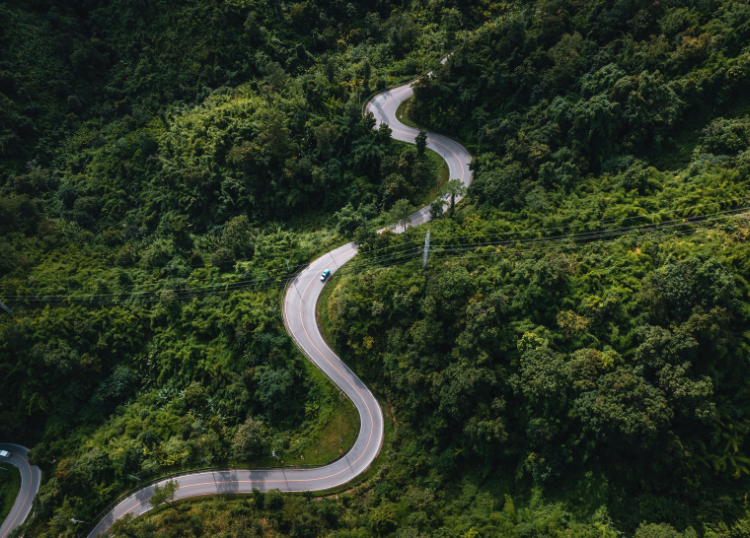
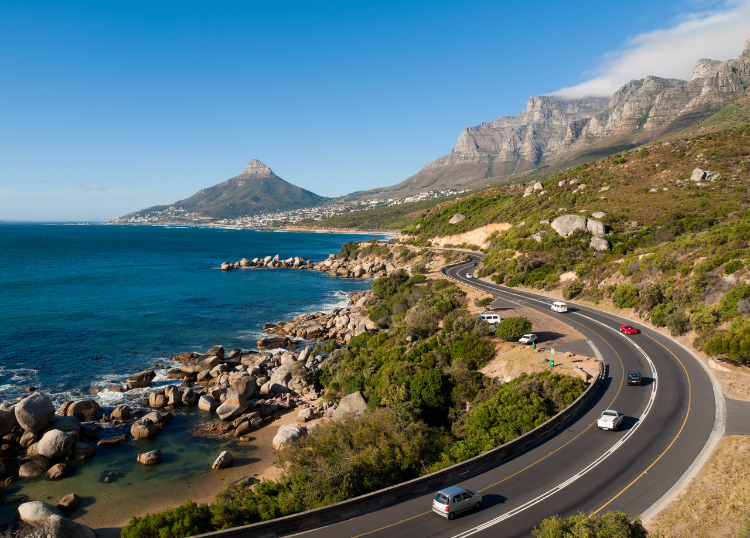
A good road trip does not need one major attraction at the end of it.
Sometimes the route itself is the reason to travel.
South Africa is particularly well suited to this type of trip. Mountain passes connect farming valleys and small towns. Coastal roads pass nature reserves and fishing communities. Rural routes create natural opportunities to stop at farm stalls, bakeries, local restaurants and viewpoints.
The challenge is usually not finding enough places to visit.
It is resisting the temptation to fit too many into one trip.
Routes that combine small towns, food and nature work best at a slower pace. Choose a manageable section, leave time for unexpected stops and allow the landscape to determine part of the day.
Overberg: Grabouw to Greyton and Stanford
The Overberg works particularly well for travellers who want variety without spending an entire day in the car.
Starting around Grabouw and the Elgin Valley gives you access to mountain scenery, orchards and farm-based food experiences. From there, the journey can continue through country towns and rural landscapes towards Greyton.
Greyton is well suited to a slower stop, with cafés, restaurants and walking opportunities providing reasons to stay longer than a quick lunch.
Extend the route towards Stanford and the wider Overberg if time allows. The scenery gradually shifts towards coastal plains, vineyards and fynbos-covered landscapes.
This is an easy route to turn into a two- or three-night trip rather than trying to cover the entire region in one day.
Route 62: Montagu to Barrydale
Route 62 is one of the country's best-known road-trip routes, but shorter sections can be more enjoyable than attempting to drive too much of it at once.
Montagu provides a strong starting point with its historic character, surrounding mountains and access to outdoor activities.
Continue towards Barrydale through the changing landscapes of the Klein Karoo.
Farm stalls, roadside businesses and small restaurants make food part of the journey without requiring a tightly planned dining itinerary.
Barrydale itself rewards an overnight stay. Walking around town provides a different experience from simply stopping beside the main road for lunch before continuing.
Klein Karoo: Barrydale to Calitzdorp
Travellers with more time can continue deeper into the Klein Karoo.
The drive towards Calitzdorp combines wide landscapes, mountain backdrops and small agricultural communities.
This is a route where stopping matters.
Roadside farm products, local cafés and independent businesses provide reasons to break up the journey.
Calitzdorp can serve as a base for a quieter night before continuing towards Oudtshoorn or returning along a different route.
The appeal lies less in moving quickly between major attractions and more in experiencing the scale and character of the landscape.
Cape West Coast: Darling to Paternoster
The West Coast creates a road trip with a very different character.
Darling provides a useful first stop, particularly for travellers interested in local food, small-town businesses and the surrounding agricultural area.
Continuing north brings the coast increasingly into the journey.
Towns and fishing communities provide opportunities for seafood, while the wider region includes beaches, coastal landscapes and protected natural areas.
Paternoster is one of the best-known destinations on this section of coast, but the trip does not need to revolve entirely around it.
Smaller stops along the route can be equally memorable when there is enough time to wander rather than simply arrive, photograph and leave.
Cederberg: Citrusdal to Clanwilliam
For a road trip centred more strongly on mountains and open landscapes, head towards the Cederberg.
Citrusdal and Clanwilliam provide useful town stops while the surrounding region offers dramatic rock formations, hiking opportunities and a strong connection with rooibos production.
Food experiences here tend to feel closely connected to agriculture.
Farm stalls, local products and simple country meals can fit naturally between outdoor activities.
The distances and road conditions deserve more attention than on an urban day trip. Plan fuel stops, check the route in advance and confirm conditions when heading onto less familiar roads.
Cape Winelands: Paarl, Wellington and Tulbagh
A Winelands road trip does not need to focus exclusively on wine.
Paarl and Wellington provide access to mountain scenery, agricultural landscapes, restaurants, farm shops and historic areas.
Continuing towards Tulbagh creates a natural small-town destination surrounded by mountains.
This route works particularly well for travellers interested in architecture and history alongside food.
A morning might include a farm or food stop, followed by time walking through a historic town and an afternoon in the surrounding countryside.
Because the distances are manageable, there is little reason to rush.
Robertson and the Breede River Valley
The Robertson area offers another way to combine food, agriculture and scenery.
Vineyards, orchards and mountain ranges create a strong sense of place, while Robertson and nearby towns provide bases for meals and overnight stays.
The broader valley can be enjoyed without constantly moving.
Choose a few farms or food stops, spend time beside the river where appropriate and leave space for scenic drives.
Travellers who treat the region only as a sequence of tastings may miss much of what makes the route appealing.
The agricultural landscape itself is part of the experience.
Garden Route: Wilderness to Knysna
The Garden Route is an obvious choice when nature is a priority.
A shorter section between Wilderness and Knysna can provide enough variety for a full weekend.
Wilderness combines beaches, lakes, rivers and forested surroundings. It is a useful base for walking, paddling or simply spending time outdoors.
Continue towards Knysna for lagoon views, restaurants and a wider selection of accommodation.
The journey between the towns is relatively short, so avoid treating it purely as a transfer.
Stops for viewpoints, walks and smaller local businesses can turn a straightforward drive into a full day.
Knysna to Plettenberg Bay
The section between Knysna and Plettenberg Bay can also work as a trip on its own.
Both towns have enough restaurants and accommodation to serve as bases, while the surrounding area provides beaches, forests and nature experiences.
Instead of constantly travelling between the two, choose one as your overnight base and use the other for a day trip.
This reduces unnecessary driving and creates more time for walks, meals and outdoor activities.
The area can become busy during major holiday periods, so a quieter weekend outside peak travel dates may provide a more relaxed experience.
Eastern Cape: Hogsback and the Amathole Mountains
Hogsback provides a mountain-focused alternative to South Africa's better-known coastal road trips.
The journey into the Amathole region leads through landscapes that feel very different from the country's dry interior or western coastal areas.
Hogsback is associated with forests, gardens, waterfalls and walking routes.
Small restaurants and locally run accommodation contribute to the village experience.
This is a destination where staying for more than one night makes sense.
Weather can change quickly in mountain areas, so pack for conditions rather than assuming a warm season guarantees consistently warm days.
KwaZulu-Natal Midlands
The Midlands provides one of the easiest combinations of countryside, food and small-town stops in KwaZulu-Natal.
The area around Howick, Nottingham Road and surrounding farming districts offers cafés, restaurants, producers, shops and outdoor attractions within relatively manageable distances.
It works particularly well for travellers who enjoy making several short stops rather than driving long uninterrupted sections.
Waterfalls, farmland and the foothills of the Drakensberg provide the natural backdrop.
Choose a few places that genuinely interest you rather than attempting to stop at every business along the route.
Midlands to the Drakensberg
Travellers with additional time can extend a Midlands trip towards the Drakensberg.
The landscape gradually becomes the main attraction as the mountains grow more prominent.
A useful approach is to spend one night in the Midlands before continuing towards a mountain destination for another two nights.
This creates a natural change of pace.
The first part of the trip can focus on food and small towns, while the second provides more time for hiking, viewpoints and quieter outdoor experiences.
Check weather and road conditions before heading into mountain areas.
Free State: Clarens and Golden Gate
Clarens and the surrounding eastern Free State provide a particularly strong combination of small-town atmosphere and dramatic scenery.
The town has restaurants, cafés, galleries and accommodation within a compact area that is easy to experience on foot.
Nearby Golden Gate Highlands National Park shifts the focus towards open landscapes, sandstone formations and mountain scenery.
The two complement each other well.
Spend part of the trip walking around town and the rest outside it rather than attempting to make every activity another commercial stop.
The route is especially suitable for travellers coming from Gauteng who want a manageable long weekend.
Mpumalanga Highlands: Dullstroom and Surrounding Countryside
Dullstroom can serve as a convenient base for a slower Mpumalanga road trip.
The town is known for its cool highland setting, restaurants and country accommodation.
The surrounding landscape provides opportunities for walking, fishing and scenic drives depending on the property and area visited.
Rather than using Dullstroom only as a stop on the way elsewhere, staying overnight allows the quieter character of the area to become part of the trip.
It can also be paired with a longer journey towards the escarpment.
Panorama Route: Graskop and the Escarpment
For dramatic natural scenery, Mpumalanga's Panorama Route remains one of the country's most recognisable road-trip areas.
Graskop provides a practical town base for visiting surrounding viewpoints and natural attractions.
The key to enjoying this route is allowing enough time.
Trying to visit every viewpoint in a single day can turn a scenic trip into a timetable.
Select a smaller number of stops and leave time for weather changes, photographs and short walks.
Local restaurants and roadside food stops can break up the day without pulling attention away from the scenery.
Limpopo: Magoebaskloof and Haenertsburg
The Magoebaskloof area provides a greener road-trip experience than many travellers expect from Limpopo.
Haenertsburg offers the small-town element, while the surrounding mountains and forests create opportunities for walking and outdoor activities.
Local cafés, farm-based businesses and accommodation can be incorporated into the route.
The area works well for a quiet weekend rather than a packed sightseeing itinerary.
Mountain weather can be unpredictable, so keep plans flexible if outdoor activities are central to the trip.
Match the Route to the Season
The same road trip can feel completely different at another time of year.
Rainfall changes river levels and vegetation. Flowering seasons transform agricultural and natural areas. Winter may bring cold mountain mornings, while summer can introduce afternoon thunderstorms in rainfall regions.
Seasonality also affects food.
Fresh produce, farm menus and certain local products change throughout the year.
Before travelling, check current conditions rather than relying entirely on photographs taken during a different season.
Let Food Follow the Route
A food-focused road trip does not require reservations at major restaurants for every meal.
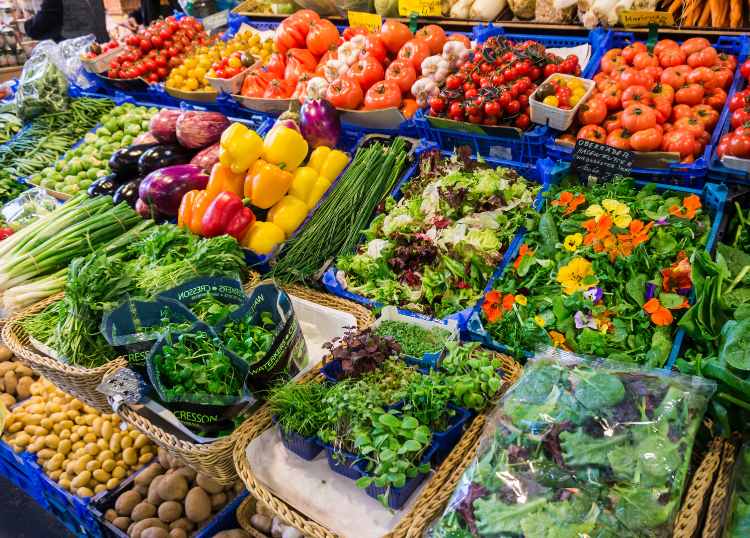
Farm stalls, bakeries, markets and independent cafés can often provide the stops people remember most.
Look for foods connected to the region.
In the Karoo, that may mean agricultural products associated with the dry interior. Along the West Coast, seafood becomes more prominent. In the Midlands, farm-based producers form part of the experience.
Food works best when it reinforces where you are rather than becoming an unrelated checklist.
Give Small Towns Enough Time
Small towns are easy to underestimate.
Travellers sometimes schedule 30 minutes for a town that deserves half a day.
Park the car and walk where it is safe and practical.
Visit independent shops. Stop for coffee. Look at the architecture and public spaces.
A town often reveals much more once you leave the main road.
Staying overnight can change the experience further because the destination becomes quieter after day visitors leave.
Build Nature Into the Itinerary
Nature should be more than scenery through the windscreen.
Include at least one activity that gets you out of the car.
That might be a short walk, picnic, viewpoint, beach visit, forest trail or paddle depending on the destination.
You do not need a demanding hike to experience a landscape properly.
Even an hour outside the vehicle can provide a stronger sense of place than covering another hundred kilometres.
Keep Daily Distances Reasonable
Road-trip planning often looks easier on a map than it feels in practice.
A route that involves several hours of driving, three towns, a nature reserve and a long lunch may leave very little time to enjoy any of them.
Estimate realistic driving times and allow for stops.
Roadworks, mountain roads and local traffic can add time.
For a leisure trip, fewer kilometres can often produce a better weekend.
Check Road Conditions Before Leaving
Some scenic destinations involve gravel roads, mountain passes or routes affected by weather.
Check current conditions before departure, particularly after heavy rain or other severe weather.
Do not assume that a route suitable for one vehicle under dry conditions will remain equally comfortable after storms.
Fuel availability also deserves attention in more remote areas.
A little preparation prevents practical issues from dominating what should be a relaxed trip.
Avoid Driving Unfamiliar Rural Roads Late at Night
A slower road trip works best when driving is concentrated into daylight hours.
Rural roads can include animals, pedestrians, slow vehicles, potholes and poorly lit sections.
Plan overnight stops so that you are not rushing to reach accommodation after dark.
This also gives you more time to appreciate the scenery rather than spending the final part of the day focused entirely on reaching the destination.
Book the Important Parts, Leave the Rest Flexible
Not everything needs a reservation.
Accommodation should usually be secured in advance during busy periods, and particularly popular restaurants or activities may also require booking.
The rest of the itinerary can remain flexible.
Leaving a few hours unplanned creates room for unexpected farm stalls, viewpoints and recommendations from local residents.
That flexibility is one of the advantages of travelling by road.
Choose Accommodation That Supports the Route
Where you stay can determine how much driving the trip requires.
A centrally positioned guesthouse or farm stay can reduce repeated journeys and make it easier to visit nearby towns and nature areas.
Consider what you want from the evening as well.
Staying within walking distance of restaurants can be convenient in a small town, while a remote farm property may provide better scenery and quiet.
Neither is automatically better.
Choose according to the experience you want from that particular section of the trip.
Do Not Turn Every Stop Into Content
Scenic road trips naturally produce photographs.
That does not mean every meal, viewpoint and town needs to become a photography exercise.
Spend some time simply being there.
This is particularly important in markets, community spaces and working farms where people are going about their normal day.
Ask permission before photographing people closely and respect areas where photography is restricted.
Travel tends to feel slower when documenting it is not the main objective.
Support Independent Local Businesses
Small-town tourism has more impact when some visitor spending stays within the area.
Independent accommodation, restaurants, guides, farm stalls and producers can all form part of the trip.
This does not require avoiding every larger business.
It simply means looking beyond familiar brands when local alternatives are available and suitable.
Ask accommodation hosts where they eat or shop.
Local recommendations can lead to places that are easily missed when planning entirely from major travel platforms.
Final Thoughts
South Africa offers scenic routes where small towns, food and nature fit naturally into the same journey.
The Overberg combines country towns with mountains and farmland. Route 62 leads through the distinctive landscapes of the Klein Karoo. The West Coast pairs fishing communities with Atlantic scenery, while the Garden Route provides forests, lagoons and beaches.
Further inland, Clarens, Dullstroom, the Panorama Route, Magoebaskloof and the KwaZulu-Natal Midlands provide equally strong options for slower road trips.
The most enjoyable route is rarely the one that covers the greatest distance.
Choose a manageable area, stay long enough to walk around the towns and make time for food that reflects the region. Include at least one experience that takes you properly into the surrounding landscape.
When the journey is treated as part of the holiday rather than the space between destinations, even a short road trip can feel much more substantial.