
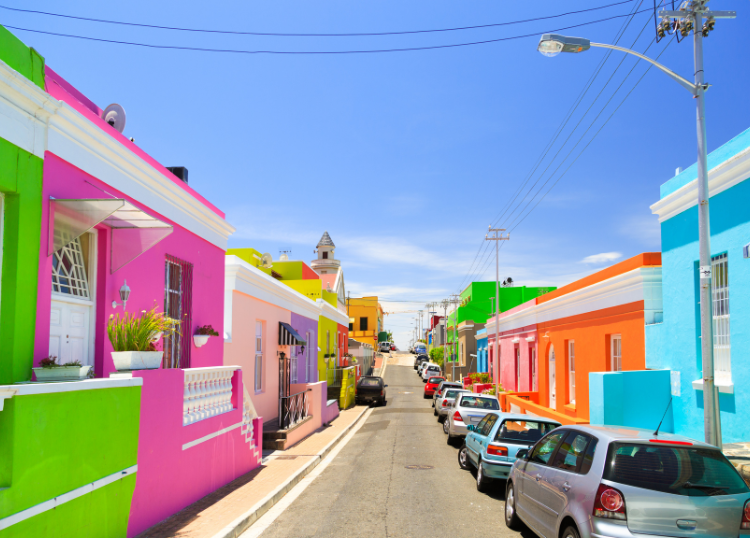
South Africa's heritage extends far beyond museum displays and historical monuments. While museums preserve the country's remarkable past, living heritage allows visitors to experience traditions, customs, languages, music, food, and craftsmanship as they continue to shape everyday life. From vibrant township tours and traditional villages to local festivals and family-owned eateries, these authentic experiences offer a deeper understanding of South Africa's diverse cultures.
Travellers seeking meaningful experiences are increasingly choosing destinations where they can connect with local communities, learn traditional skills, and participate in customs that have been passed down through generations.
Experience Local Communities
One of the most rewarding ways to experience South Africa's living heritage is by spending time in local communities. Guided cultural tours provide opportunities to meet residents, learn about local history, and gain insight into traditions that continue to influence modern life.
Whether visiting a rural village or exploring a historic township, these encounters create lasting memories while supporting community-based tourism initiatives.
Traditional Food Tells a Story
South African cuisine reflects centuries of cultural exchange. Every region has its own distinctive dishes, influenced by Indigenous traditions as well as Dutch, Malay, Indian, and European heritage.
Sampling meals prepared by local families or independent restaurants offers an authentic taste of South Africa's cultural diversity. Dishes such as bobotie, potjiekos, bunny chow, pap and chakalaka, and traditional braai meals all tell stories of the communities that created them.
Celebrate Local Festivals
Cultural festivals provide visitors with an opportunity to experience music, dance, storytelling, traditional dress, and local craftsmanship in one vibrant setting. Throughout the year, South Africa hosts festivals celebrating everything from heritage and indigenous culture to food, music, and regional traditions.
Attending these events allows travellers to experience heritage as a living, evolving part of contemporary South African life.
Support Local Artists and Craftspeople
Handmade products often carry generations of knowledge and cultural significance. Local markets, craft centres, and artisan workshops offer visitors the chance to purchase authentic handmade goods while meeting the people who create them.
From beadwork and woven baskets to ceramics, wood carving, and textiles, these crafts preserve traditional skills while supporting local livelihoods.
Learn Through Storytelling
Oral storytelling remains an important part of many South African cultures. Local guides, community elders, and cultural performers share stories that preserve family histories, explain traditions, and celebrate historical events.
These personal narratives provide context that cannot always be captured in books or museum exhibitions.
Visit Historic Landscapes
Many of South Africa's most important heritage sites remain active places where history continues to shape daily life. Locations such as Robben Island, cultural villages, historic battlefields, and UNESCO World Heritage Sites provide visitors with opportunities to experience history within its original setting.
To learn more about these remarkable destinations, read our articles on The History Behind Robben Island: South Africa's Symbol of Freedom and Resilience, South Africa's UNESCO World Heritage Sites, and Unique Places to Stay in South Africa.
Travel Responsibly
Authentic cultural experiences should always be approached with respect. Supporting locally owned businesses, asking permission before taking photographs, purchasing genuine handmade products, and following local customs all contribute to responsible tourism that benefits host communities.
Visitors who engage respectfully often enjoy richer, more meaningful travel experiences.
Living Heritage Shapes Modern South Africa
South Africa's cultural heritage is not confined to the past. It continues to evolve through language, music, food, art, architecture, and daily community life. Experiencing this living heritage allows travellers to appreciate the country's remarkable diversity while forming genuine connections with the people who call South Africa home.
Final Thoughts
The most memorable travel experiences often happen beyond museum walls. By participating in local traditions, enjoying authentic cuisine, supporting community artisans, and learning directly from the people who preserve South Africa's rich cultural heritage, visitors gain a deeper appreciation of the nation's identity. Living heritage offers an unforgettable way to experience South Africa—not simply as a destination to visit, but as a culture to understand and celebrate.