
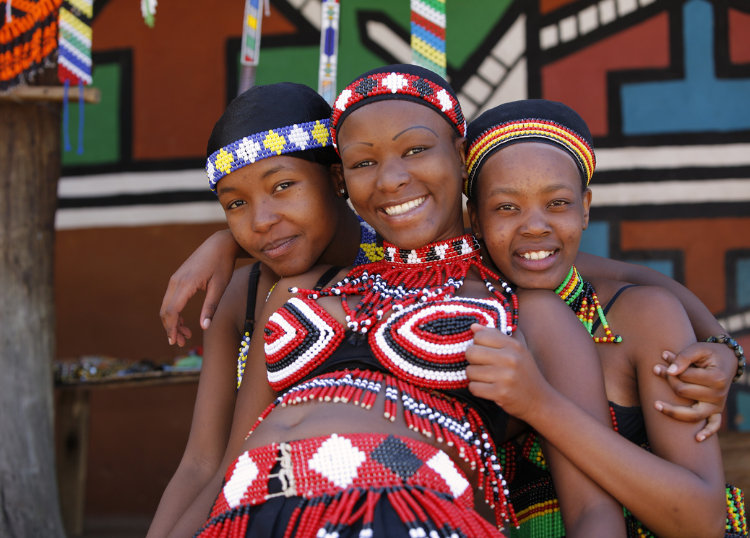
South Africa's cultural diversity is one of its greatest strengths. Across the country, Indigenous communities continue to preserve languages, traditions, craftsmanship, music, storytelling, and ways of life that have been passed down through generations.
For travellers, cultural tourism offers an opportunity to move beyond sightseeing and connect with the people who call these places home. When experiences are community-led and managed responsibly, tourism can provide meaningful economic opportunities while helping to preserve cultural heritage for future generations.
What Is Indigenous Cultural Tourism?
Indigenous cultural tourism involves experiences created and led by Indigenous communities that allow visitors to learn about local traditions, history, and daily life.
These experiences may include:
- Guided cultural tours
- Traditional storytelling
- Music and dance performances
- Craft demonstrations
- Heritage walks
- Local food experiences
The emphasis is on respectful cultural exchange rather than staged entertainment.
Supporting Local Economies
Choosing community-based tourism helps ensure that more of the income generated remains within the local area.
Visitor spending can support:
- Local guides
- Family-owned accommodation
- Craft producers
- Community tourism projects
- Small businesses
- Cultural education initiatives
This creates employment opportunities while strengthening local economies.
Learn From Local Guides
One of the greatest benefits of Indigenous cultural experiences is the opportunity to hear stories directly from community members.
Local guides can share knowledge about:
- Cultural traditions
- Oral histories
- Indigenous plants
- Traditional architecture
- Local customs
- Historical sites
These personal perspectives provide a richer understanding than information alone.
Appreciate Traditional Arts and Crafts
Many Indigenous communities continue to produce handmade items using traditional skills and locally sourced materials.
Visitors may find:
- Basket weaving
- Beadwork
- Pottery
- Wood carving
- Textiles
- Jewellery
Buying directly from artisans helps support local livelihoods while encouraging the continuation of these valuable skills.
Experience Traditional Food
Food is an important part of cultural identity.
Community dining experiences often introduce visitors to:
- Regional ingredients
- Traditional cooking methods
- Seasonal produce
- Family recipes
- Indigenous flavours
Sharing a meal also provides an opportunity to learn about local customs and hospitality.
Respect Cultural Protocols
Every community has its own customs and expectations.
Visitors should:
- Ask permission before taking photographs.
- Follow guidance from local hosts.
- Respect sacred or restricted areas.
- Dress appropriately where requested.
- Listen with curiosity and respect.
Being mindful of local traditions helps create positive experiences for both visitors and hosts.
Choose Ethical Tourism Operators
Not all cultural experiences provide meaningful benefits to local communities.
When planning your trip, look for operators that:
- Work directly with Indigenous communities
- Ensure local people lead the experience
- Share tourism income fairly
- Respect cultural heritage
- Promote long-term community development
Responsible tourism helps communities retain control over how their culture is shared.
Support Cultural Preservation
Tourism can contribute to the preservation of traditions by creating opportunities for cultural knowledge to be shared with younger generations.
Income from community tourism may assist with:
- Cultural education programmes
- Language preservation
- Heritage site maintenance
- Traditional arts training
- Community development projects
These initiatives help ensure cultural traditions continue to thrive.
Travel With an Open Mind
Meaningful cultural experiences begin with respect and genuine interest.
Rather than simply observing, take time to:
- Ask thoughtful questions
- Listen to personal stories
- Learn about local history
- Appreciate different perspectives
- Support community businesses
Approaching each experience with humility helps create authentic and rewarding connections.
Final Thoughts
Indigenous cultural experiences offer far more than memorable travel moments. They provide an opportunity to learn directly from local communities, appreciate South Africa's rich cultural heritage, and contribute to sustainable economic development. By choosing community-led experiences, supporting local artisans, and travelling with respect, visitors can help preserve traditions while enjoying a deeper and more meaningful understanding of the places they visit.


