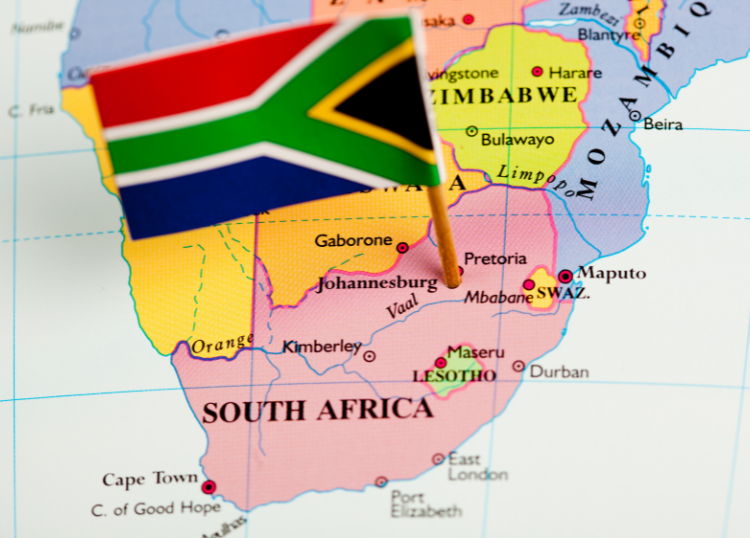
South Africa is often described through a handful of famous destinations: Cape Town, the Kruger National Park, the Garden Route, Johannesburg, and the Drakensberg.
They are all worth knowing, but they represent only part of the country.
South Africa's nine provinces differ enormously in geography, climate, culture, food, history, and pace of life. Travelling through them individually provides a much better sense of just how varied the country is.
Instead of trying to see everything in one rushed holiday, consider taking South Africa one province at a time.
Western Cape: Mountains, Coastlines and Winelands
The Western Cape contains some of South Africa's most recognisable travel destinations, but there is considerably more to the province than Cape Town.
The Cape Winelands offer historic towns, mountain scenery, restaurants, farms, and numerous wine estates. The West Coast provides quieter coastal communities and seasonal wildflowers, while the Overberg combines beaches, mountains, nature reserves, and whale-watching destinations.
Further east, the Garden Route offers forests, lagoons, beaches, hiking trails, and coastal towns.
Places worth considering include:
- Cape Town
- Stellenbosch
- Franschhoek
- Hermanus
- Paternoster
- Cederberg
- Knysna
- Wilderness
The province works particularly well for road trips because very different environments can be reached within relatively manageable distances.
Eastern Cape: Wild Coastlines and Open Country
The Eastern Cape rewards travellers willing to spend time on the road.
Its coastline ranges from established holiday towns to remote stretches where green hills meet the Indian Ocean. Inland, the landscape changes dramatically as roads pass through farming districts, mountain areas, and historic towns.
The Wild Coast is one of the province's defining travel regions, with beaches, cliffs, river mouths, and rural landscapes.
The province also offers significant wildlife experiences, including malaria-free safari destinations.
Potential stops include:
- Gqeberha
- Addo Elephant National Park
- Makhanda
- Graaff-Reinet
- Coffee Bay
- Hogsback
- Tsitsikamma-area destinations
Allow extra travel time when visiting remote areas, particularly where road conditions can vary.
Northern Cape: Space, Silence and Dramatic Landscapes
The Northern Cape is South Africa's largest province by area and one of its least densely populated.
Distances are substantial, but that scale is central to the experience.
Travellers come for open landscapes, desert environments, clear night skies, unusual geology, and the sense of remoteness that is increasingly difficult to find elsewhere.
The province is particularly well known for seasonal wildflowers in Namaqualand, although flowering conditions and timing vary from year to year.
Other highlights include:
- Augrabies Falls National Park
- Kimberley
- Namaqualand
- Richtersveld
- Kgalagadi region
- Tankwa Karoo
A Northern Cape road trip requires planning. Fuel stops, accommodation, water, road conditions, and distances between towns should all be considered before setting out.
Free State: More Than a Province to Drive Through
For many road travellers, the Free State becomes somewhere crossed on the way between Johannesburg, Cape Town, or KwaZulu-Natal.
It deserves more attention than that.
Wide agricultural landscapes, sandstone mountains, small towns, and historic sites give the province a character quite different from South Africa's coastal regions.
Clarens is one of its best-known leisure destinations, particularly for weekend trips involving restaurants, galleries, hiking, and nearby mountain scenery.
Golden Gate Highlands National Park provides some of the province's most impressive landscapes.
Bloemfontein also offers museums, cultural attractions, gardens, and a useful base for understanding the region's history.
KwaZulu-Natal: Beach, Bush and Mountains
Few provinces demonstrate South Africa's geographic variety as clearly as KwaZulu-Natal.
Within one trip, travellers can combine warm Indian Ocean beaches, major cities, game reserves, wetlands, historic battlefields, and some of southern Africa's most impressive mountain scenery.
The Drakensberg provides opportunities for hiking, photography, mountain retreats, and rock art experiences.
Further north, wildlife reserves and the iSimangaliso Wetland Park offer safari and nature-based travel.
Durban and the surrounding coastline add an entirely different experience, shaped by beaches, warm weather, and a distinctive food culture.
A KwaZulu-Natal itinerary might include:
- Durban
- Drakensberg
- Midlands
- St Lucia
- Hluhluwe area
- Sodwana Bay
- Battlefields region
It is a province where a longer itinerary can comfortably combine several very different types of holiday.
Gauteng: Culture, History and Urban Energy
South Africa's smallest province geographically is also its major economic centre.
Gauteng is often treated as a gateway rather than a leisure destination, particularly by international visitors arriving through Johannesburg.
Yet the province contains some of the country's most important cultural and historical attractions.
Johannesburg offers museums, restaurants, galleries, markets, neighbourhood experiences, and sites connected to South Africa's political and industrial history.
Soweto has an important place in the country's modern story, while Pretoria provides another perspective through its architecture, museums, monuments, and jacaranda-lined streets.
The Cradle of Humankind adds archaeological and palaeontological significance just outside the major urban centres.
Mpumalanga: Waterfalls, Mountains and Wildlife
Mpumalanga is closely associated with the Kruger National Park, but travellers who drive straight to the park can miss much of what makes the province interesting.
The Panorama Route passes dramatic natural features and viewpoints, including the Blyde River Canyon area.
Elsewhere, travellers encounter waterfalls, forested landscapes, historic towns, and mountain roads.
Key destinations include:
- Kruger National Park
- Blyde River Canyon
- Graskop
- Sabie
- Pilgrim's Rest
- Barberton
Mpumalanga works particularly well for trips combining scenic driving with wildlife.
Spending a few days outside the national park before or after a safari can make the journey much more varied.
Limpopo: Wildlife, Archaeology and the Far North
Limpopo provides some of South Africa's most rewarding travel experiences for visitors interested in wildlife and less heavily travelled regions.
The province includes the northern section of the Kruger National Park as well as numerous private reserves and conservation areas.
Mapungubwe National Park and its cultural landscape provide a very different reason to travel north. The archaeological remains tell the story of an important precolonial African kingdom with extensive trade connections.
The province also includes:
- Soutpansberg
- Waterberg
- Magoebaskloof
- Venda region
- Mapungubwe
- Northern Kruger
Limpopo's distances can be considerable, so slower itineraries often work better than trying to cover too much territory.
North West: Safari, Mountains and Weekend Escapes
North West is frequently associated with Sun City and the Pilanesberg, both popular destinations within driving distance of Gauteng.
Pilanesberg offers accessible wildlife viewing in a distinctive volcanic landscape and is particularly convenient for shorter safari trips.
The province also includes the Magaliesberg region, Hartbeespoort, agricultural areas, small towns, and cultural and historical sites.
North West can work particularly well for:
- Weekend breaks
- Family holidays
- Safari trips
- Outdoor activities
- Short road trips from Gauteng
Travellers prepared to move beyond the best-known resorts can find quieter corners of the province as well.
Don't Try to Cover All Nine Provinces at Once
It is technically possible to design a long road trip crossing much of South Africa, but covering distance isn't the same as experiencing a destination.
South Africa is a large country.
A better approach for many travellers is to select one province or a neighbouring pair and spend more time within a smaller area.
This allows room for:
- Unplanned stops
- Local restaurants
- Smaller towns
- Hiking
- Scenic routes
- Longer stays
You also spend less of the holiday watching the country through a windscreen.
Travel According to the Season
The best time to visit can vary considerably between provinces and according to what you want to do.
Wildflower trips depend on seasonal conditions. Whale watching is associated with particular months. Some hiking destinations become extremely hot or cold at certain times of year, while wildlife viewing conditions also change with the seasons.
Before travelling, check the conditions for the specific region rather than assuming weather will be similar across the country.
Cape Town and the Lowveld, for example, can experience very different conditions at the same time of year.
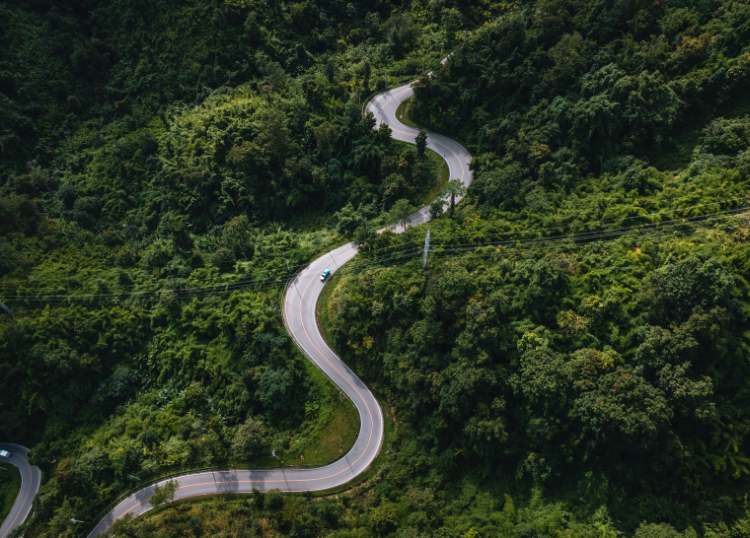
Take the Smaller Roads Occasionally
Major highways are efficient, but they don't always provide the most memorable journeys.
Where conditions and time allow, secondary routes can lead through farming districts, mountain passes, small towns, and landscapes that most travellers simply drive past.
This doesn't mean taking unfamiliar roads without preparation.
Check road conditions, fuel availability, distances, weather, and safety considerations before choosing remote routes.
Make Local Food Part of the Trip
One of the pleasures of travelling province by province is seeing how food changes around the country.
Coastal seafood, Cape Malay cooking, Durban's Indian-influenced food culture, Karoo lamb, regional farm stalls, traditional dishes, local bakeries, and small-town restaurants can all become part of the journey.
Rather than relying exclusively on familiar chains, look for places connected to the area you're visiting.
Food can provide as much insight into a destination as its major attractions.
Leave Space for Places You Didn't Plan to Visit
Some of the best road-trip stops aren't the places that initially persuaded you to take the journey.
A roadside farm stall, unexpected mountain pass, small museum, local restaurant, quiet beach, or town you had never heard of may become one of the highlights.
Build enough time into the itinerary to stop occasionally without worrying about reaching the next destination to the minute.
That flexibility is one of the biggest advantages of travelling South Africa by road.
Final Thoughts
Exploring South Africa one province at a time allows you to see a country far more varied than a checklist of famous attractions suggests.
The Western Cape offers mountains, vineyards, and dramatic coastlines. The Eastern Cape brings wild beaches and open country. The Northern Cape provides extraordinary space and desert scenery, while KwaZulu-Natal combines mountains, wildlife, and warm-water coastline. Gauteng tells essential urban and historical stories, and Mpumalanga, Limpopo, North West, and the Free State each provide their own reasons to slow down and stay awhile.
You don't need to see all nine provinces on one journey.
Choose one. Give yourself enough time. Take a few roads you haven't travelled before. Then save the next province for another trip.