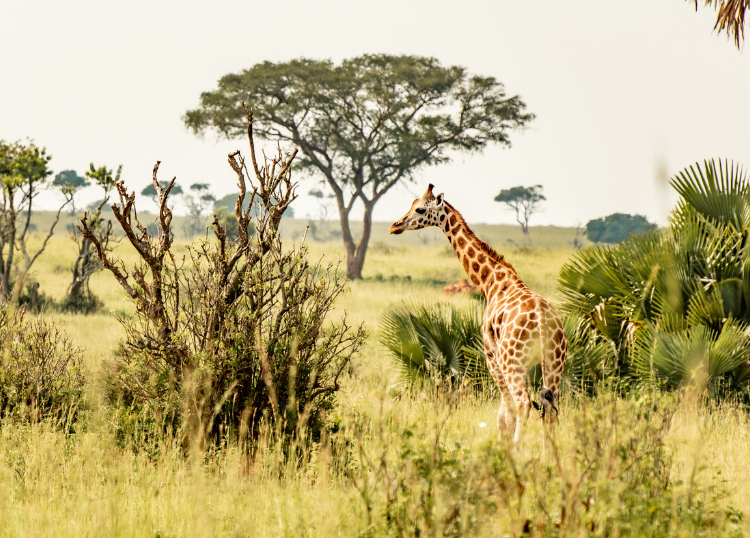
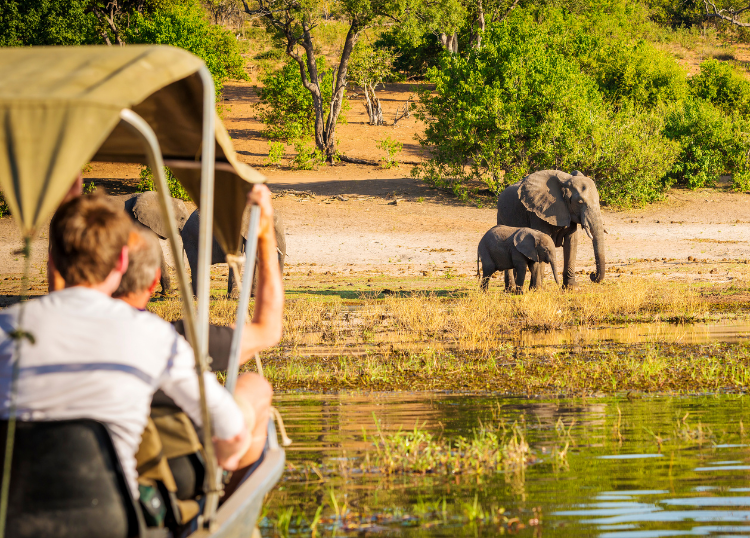
Seeing wildlife in its natural environment is often one of the most memorable parts of travelling. Whether it's watching elephants roam freely, spotting whales from the coastline, or photographing birds in a protected reserve, these experiences can create a lasting appreciation for nature.
However, not all wildlife attractions operate responsibly. Some prioritise entertainment over animal welfare, while others contribute to habitat loss or place unnecessary stress on wildlife. By understanding what ethical wildlife tourism looks like, travellers can make informed choices that support conservation and protect the animals they have come to see.
What Is Ethical Wildlife Tourism?
Ethical wildlife tourism focuses on protecting animals, preserving natural habitats, and supporting conservation efforts while providing meaningful experiences for visitors.
Responsible wildlife experiences aim to:
- Respect natural animal behaviour
- Minimise human impact
- Support conservation initiatives
- Protect natural ecosystems
- Benefit local communities
- Promote environmental education
These principles help ensure that tourism contributes positively to wildlife protection rather than causing harm.
Observe Animals in Their Natural Habitat
One of the most responsible ways to experience wildlife is by observing animals where they naturally live.
Examples include:
- Guided safari drives
- Birdwatching tours
- Marine wildlife cruises
- Nature reserves
- National parks
- Walking safaris with qualified guides
Watching animals behave naturally often provides a more rewarding experience than viewing them in artificial environments.
Avoid Attractions That Exploit Wildlife
Some attractions encourage close interaction with wild animals in ways that may compromise their welfare.
Travellers should think carefully before participating in activities involving:
- Wild animals performing for entertainment
- Handling or posing with dangerous wildlife
- Feeding wild animals without proper supervision
- Attractions that keep animals in unsuitable conditions
- Activities that interfere with natural behaviour
Choosing responsible alternatives helps reduce demand for unethical practices.
Support Conservation-Focused Operators
Many wildlife tourism businesses actively contribute to conservation.
Responsible operators may:
- Support habitat protection
- Fund wildlife research
- Participate in anti-poaching initiatives
- Employ trained conservation staff
- Work alongside local communities
- Follow recognised environmental standards
Selecting operators with a genuine conservation focus helps direct tourism spending towards positive outcomes.
Respect Wildlife During Your Visit
Even in well-managed reserves, visitors play an important role in protecting wildlife.
Good practices include:
- Keeping a safe distance
- Remaining quiet around animals
- Following guide instructions
- Staying on designated routes
- Never attempting to touch wildlife
- Avoiding littering
Respectful behaviour reduces stress on animals and helps preserve their natural routines.
Consider the Impact on Local Communities
Responsible wildlife tourism should also benefit the people who live alongside protected areas.
Community involvement may include:
- Local employment opportunities
- Community-owned tourism businesses
- Conservation education
- Support for local schools
- Sustainable economic development
When local communities benefit from wildlife tourism, there is often greater support for long-term conservation.
Ask Questions Before Booking
Before choosing a wildlife experience, it is worth asking a few important questions.
Consider whether the operator:
- Supports recognised conservation efforts
- Prioritises animal welfare
- Limits visitor numbers where appropriate
- Employs qualified guides
- Provides educational information
- Operates responsibly within protected areas
A reputable operator should be willing to explain its conservation practices.
Leave Natural Areas As You Found Them
Responsible travel extends beyond the wildlife encounter itself.
Visitors should:
- Take all litter with them
- Avoid disturbing plants and habitats
- Stay on marked paths
- Respect protected areas
- Follow local regulations
- Minimise unnecessary noise
Small actions by individual travellers can collectively make a significant difference.
Choose Experiences That Educate
The most rewarding wildlife experiences often provide opportunities to learn about animal behaviour, ecosystems, and conservation challenges.
Knowledge gained during responsible tours helps travellers develop a greater appreciation for biodiversity and the importance of protecting natural environments for future generations.
Final Thoughts
Ethical wildlife tourism allows travellers to experience nature while supporting conservation, animal welfare, and local communities. By choosing responsible operators, respecting wildlife, and avoiding attractions that exploit animals, visitors can help ensure their travel has a positive impact. Thoughtful choices not only create more meaningful experiences but also contribute to the long-term protection of the world's remarkable wildlife and natural habitats.