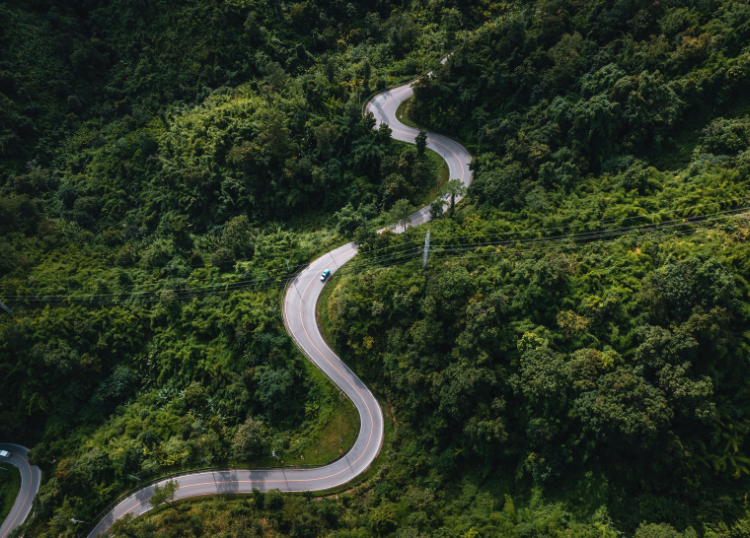
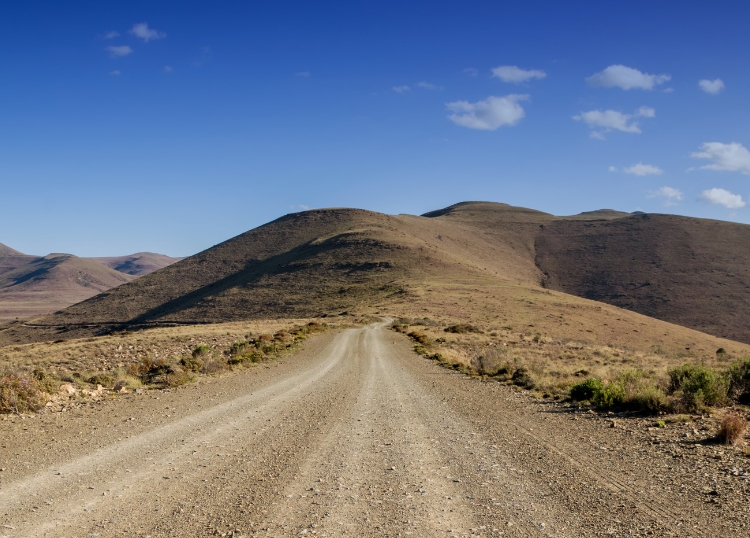
The Eastern Cape rewards travellers who are willing to leave some space in the itinerary.
The province is enormous and varied. Coastal forests and beaches give way to rolling grassland, mountain country and the dry interior of the Karoo. Historic towns sit hours apart, while smaller settlements and rural roads can turn the journey between major destinations into part of the experience.
Many visitors naturally concentrate on the province's better-known wildlife reserves, coastal centres and major transport routes. They provide only one perspective.
Travelling more slowly makes it possible to see a different Eastern Cape: one shaped by small towns, dramatic landscapes, community histories and long stretches of road where the destination is not always the only reason for travelling.
Start With the Karoo Around Graaff-Reinet
Graaff-Reinet provides a useful base for seeing more of the Eastern Cape interior.
The town itself deserves time for its historic architecture, museums and Karoo character, while the surrounding landscape creates opportunities to combine heritage with nature.
Instead of treating Graaff-Reinet as a quick overnight stop, consider staying longer and using it as a base.
The slower approach suits the Karoo.
Distances are significant, settlements are relatively spread out and the character of the region becomes clearer when there is time to stop rather than concentrating only on reaching the next town.
The landscape changes throughout the day as light moves across the mountains and plains, making the journey itself part of the attraction.
Take the Detour to Nieu-Bethesda
Nieu-Bethesda is one of the Eastern Cape's distinctive small-town destinations.
Its association with artist Helen Martins and the Owl House gives it a cultural identity unlike that of nearby towns.
The setting contributes just as much.
This is a place where walking slowly through the village makes more sense than arriving with an ambitious schedule.
A visit can be combined naturally with Graaff-Reinet, allowing travellers to see two very different settlements within the same broad Karoo region.
Nieu-Bethesda also illustrates one of the advantages of travelling away from major routes: smaller places do not necessarily need a long list of conventional attractions to justify the detour.
Sometimes the atmosphere of the place is the reason to go.
Spend Time in Cradock Rather Than Passing Through
Cradock can easily become another town seen through a windscreen on a long Eastern Cape drive.
It deserves more attention.
Its built heritage provides one reason to stop, including the restored cottages associated with Market Street. The town also has important connections to South Africa's political history, particularly the story of the Cradock Four and resistance to apartheid.
That combination makes Cradock a useful destination for travellers interested in more than picturesque historic buildings.
Nearby Mountain Zebra National Park can add wildlife and landscape to the itinerary, making the area suitable for a longer stay.
Using the town as a base rather than simply passing through can create a more balanced trip involving history, landscape and wildlife.
Consider the Mountain Country Around Hogsback
Hogsback feels very different from the dry Karoo interior.
Its higher elevation, forested surroundings and mountain scenery give it a character that can surprise travellers who associate the Eastern Cape mainly with beaches and game reserves.
Walking is a major part of the appeal.
The area suits travellers who want to spend time outdoors without necessarily building the trip around wildlife viewing.
Weather can strongly influence the experience, so flexibility helps.
A misty mountain day has its own atmosphere, but it may change plans for longer walks or viewpoints.
Allowing more than one night gives visitors a better chance to experience the surroundings without making the trip dependent on perfect conditions.
The Wild Coast Deserves More Than a Quick Coastal Stop
The Wild Coast is often spoken about as a single destination, but it covers a substantial stretch of coastline with communities, river mouths, beaches and rural landscapes spread across a large area.
Travel here can be slower than expected.
That is part of the reason not to treat the region as somewhere to rush through.
Rather than trying to cover large distances each day, choose one or two bases and spend time around them.
Walking, coastal scenery and quiet days can become the centre of the trip.
This approach is better suited to the character of the region than trying to reproduce a fast road-trip itinerary designed for major highways.
Coffee Bay Can Be a Base for a Slower Coastal Stay
Coffee Bay is one of the better-known names along the Wild Coast, but it still feels very different from South Africa's larger resort towns.
The surrounding coastline is the main attraction.
Travellers can use the area as a base for walking, beach time and trips through the surrounding countryside.
The journey there also matters.
Rural roads and settlements create a very different travel experience from a straightforward motorway drive.
Allow enough time, particularly when road conditions or weather may affect travel.
Arriving late after an overambitious driving day can take much of the enjoyment out of reaching a remote destination.
Port St Johns Combines Coast, River and Forested Hills
Port St Johns has one of the Eastern Cape's most dramatic natural settings.
The Umzimvubu River reaches the Indian Ocean between steep, green surroundings, giving the area a strong geographical identity.
It works particularly well for travellers who prefer landscapes that feel less manicured than conventional resort destinations.
Time can be spent around the coast, river and surrounding viewpoints rather than moving continually between formal attractions.
As elsewhere on the Wild Coast, the journey should be planned realistically.
Distances on a map do not always translate into quick driving times.
Building spare time into the route can make the difference between a relaxed stay and a holiday dominated by the road.
Look Inland as Well as Along the Coast
The Eastern Cape's tourism identity is strongly connected to wildlife and the coast, but inland routes add considerable variety.
Towns, farms, mountain passes and open landscapes show a different side of the province.
These areas can also help break up longer journeys.
Instead of treating an inland town as somewhere to stop only for fuel, research what lies nearby. There may be a museum, heritage site, local walk or landscape worth allowing an extra hour or night to see.
This style of travel works particularly well for visitors who enjoy road trips because it reduces the distinction between the journey and the destination.
Local History Can Change How You See a Place
The Eastern Cape has played a major role in South African history.
Travellers encounter places connected to colonial expansion, frontier conflict, Xhosa history, missionary activity, political resistance and the struggle against apartheid.
Understanding some of that history before or during the journey changes what otherwise might appear to be ordinary towns and landscapes.
Museums, memorials and local guides can provide useful context.
The important point is not to reduce the province's history to one period.
Different areas carry different stories, and many continue to have strong meaning for the communities living there.
Taking time to understand those connections can make a road trip far richer than simply moving between scenic viewpoints.
Allow Rural Roads to Set the Pace
Leaving the main tourist routes requires a different approach to driving.
Travel times should be treated conservatively, particularly on unfamiliar rural roads.
Road surfaces and conditions can vary, while livestock, pedestrians and local traffic may require lower speeds than expected.
Avoid creating an itinerary that depends on maintaining an ambitious average speed.
Daylight is valuable when travelling unfamiliar rural routes, and arriving before dark can make finding accommodation considerably easier.
Fuel planning matters too.
On remote routes, it is sensible to refuel when convenient rather than assuming another suitable stop will appear exactly when needed.
The less rushed the schedule, the easier these practical considerations become.
Choose Fewer Overnight Stops
The temptation on a large provincial road trip is to fit in as much as possible.
That can work against the reason for leaving the main routes.
If every morning begins with packing and every afternoon ends with another check-in, much of the holiday is spent in transit.
Choose fewer bases and stay longer.
Three nights in one area can provide time for a full day without significant driving. It also allows plans to change according to weather, local recommendations or simple preference.
This is particularly worthwhile in the Wild Coast and Karoo, where the sense of place is often more memorable than any individual attraction.
Support Local Businesses Along the Route
Travelling through smaller towns and rural areas creates opportunities to spend locally.
Independent accommodation, restaurants, guides, farm stalls and community tourism initiatives can all become part of the trip.
Ask people in the area where they recommend eating or what is worth seeing nearby.
Local advice can lead to places that receive relatively little attention in standard itineraries.
It also makes travel less dependent on a predetermined checklist.
Some of the most memorable stops on a road trip happen because someone suggested a viewpoint, bakery, walk or nearby town that was not part of the original plan.
Keep the Itinerary Flexible
A less-travelled route benefits from flexibility.
Weather changes. Roads take longer than expected. A town may turn out to deserve more time, while another planned stop may be less interesting than anticipated.
Leave room to respond.
This does not mean travelling without preparation.
Accommodation may need advance booking, particularly in remote areas or during popular holiday periods. Road conditions and access requirements should also be checked before leaving.
The difference is that the itinerary should provide structure without making every hour dependent on the previous one going exactly according to plan.
Final Thoughts
Travelling beyond the Eastern Cape's main tourist routes is less about finding secret places and more about changing the pace of the trip.
Graaff-Reinet, Nieu-Bethesda and Cradock add history and Karoo character. Hogsback brings mountain scenery and forested surroundings, while the Wild Coast offers a much slower relationship with the coastline through places such as Coffee Bay and Port St Johns.
Between them are long roads, smaller communities and landscapes that deserve attention in their own right.
The province is too large to cover properly in a rushed itinerary.
Choosing fewer destinations, allowing realistic driving times and staying longer in each area creates more room for the places between major attractions.
In the Eastern Cape, those quieter parts of the journey can become some of the strongest reasons to return.