
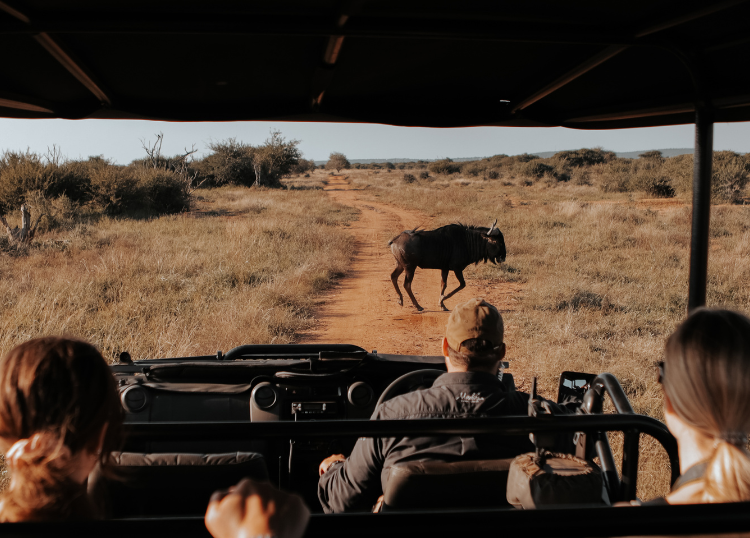
South Africa is one of the world's premier wildlife photography destinations, offering remarkable opportunities to photograph the Big Five, diverse birdlife, marine animals, and countless other species. While wildlife can be seen throughout the year, understanding how the seasons affect animal behaviour, vegetation, and weather can make a significant difference to the quality of your photographs.
Whether you're an experienced wildlife photographer or simply enjoy capturing memorable moments during your travels, choosing the right time of year can help you make the most of your safari adventure.
Winter Offers Exceptional Game Viewing
The dry winter months, from May to September, are widely regarded as the best time for wildlife photography in many of South Africa's game reserves.
As rainfall decreases, vegetation becomes thinner and water sources become scarcer. Animals gather around rivers, dams, and waterholes, making them easier to locate and photograph. Cooler temperatures also encourage wildlife to remain active for longer periods during the day.
These conditions are particularly favourable in destinations such as the Kruger National Park and many private game reserves in Limpopo and Mpumalanga.
Summer Brings Dramatic Landscapes
From October to April, South Africa's summer transforms the landscape into lush green scenery. Afternoon thunderstorms replenish water supplies, flowers bloom, and many animals give birth during this period.
Although thicker vegetation can make spotting wildlife more challenging, photographers are rewarded with vibrant backgrounds, dramatic skies, and opportunities to capture young animals interacting with their mothers.
The summer months also provide excellent lighting after rain showers, creating striking landscape and wildlife compositions.
Birdwatching Reaches Its Peak
Bird photographers often prefer the warmer months between November and March, when migratory birds arrive from Europe and other parts of Africa.
Wetlands, rivers, estuaries, and national parks become home to hundreds of bird species displaying colourful breeding plumage. Species such as kingfishers, bee-eaters, flamingos, fish eagles, and herons offer outstanding photographic opportunities throughout the country.
South Africa's remarkable bird diversity makes it a rewarding destination for both amateur and professional photographers.
Whale Watching Along the Coast
Wildlife photography is not limited to land animals. Between June and November, southern right whales migrate to South Africa's coastline to calve and nurse their young.
Destinations such as Hermanus provide exceptional opportunities to photograph these magnificent marine mammals from shore or on guided boat tours. Depending on the location, visitors may also encounter dolphins, seals, African penguins, and seabirds throughout the year.
The combination of marine life and coastal scenery creates spectacular photographic subjects.
Light Makes All the Difference
Regardless of the season, the best wildlife photographs are usually taken during the golden hours shortly after sunrise and before sunset.
Soft natural light adds warmth, reduces harsh shadows, and creates more detail in animal fur, feathers, and surrounding landscapes. Early morning game drives also increase the chances of seeing predators returning from overnight hunts before temperatures rise.
Patience is often just as important as camera equipment when waiting for the perfect moment.
Prepare Your Equipment
Successful wildlife photography begins with careful preparation. A telephoto lens allows you to photograph animals from a safe distance, while a wide-angle lens captures dramatic landscapes and environmental portraits.
Other useful equipment includes:
- Spare batteries
- Extra memory cards
- Lens cleaning cloths
- Bean bags for vehicle support
- Protective camera covers for dust and rain
Being prepared allows you to focus on capturing memorable images rather than managing equipment problems.
Respect Wildlife
Responsible photography always places animal welfare first. Keep a safe distance, avoid disturbing wildlife, remain quiet during sightings, and follow the instructions of experienced safari guides.
Respecting animals and their natural behaviour not only protects the environment but often results in more authentic and natural photographs.
Final Thoughts
South Africa offers outstanding wildlife photography opportunities throughout the year, with each season bringing its own advantages. Winter provides exceptional game viewing and clear visibility, while summer delivers lush landscapes, newborn wildlife, and abundant birdlife. Along the coast, migrating whales add another dimension to the country's remarkable biodiversity. By choosing the right season, travelling responsibly, and making the most of early morning and late afternoon light, photographers can capture unforgettable images that reflect the extraordinary beauty of South Africa's wildlife.


