
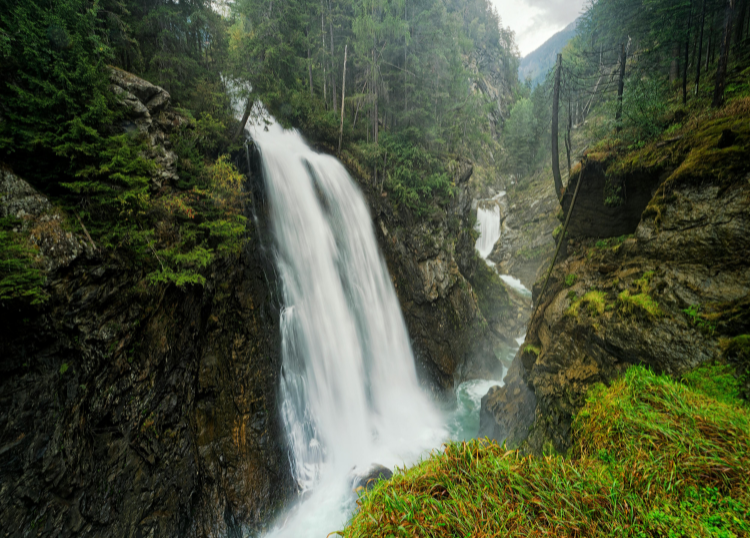
There is something particularly satisfying about reaching a waterfall after a walk through the mountains or forest.
The sound of running water becomes more noticeable as the trail approaches a stream or gorge, and the final view offers a natural place to stop and appreciate the surroundings.
Spring can be a good season for waterfall hiking in South Africa.
Temperatures begin to rise, vegetation changes after winter and longer daylight hours provide more flexibility for outdoor activities.
However, waterfall conditions differ considerably between regions.
The Western Cape generally receives most of its rain in winter, while many eastern and northeastern areas experience summer rainfall.
This means some waterfalls may be flowing strongly during spring, while others depend on rainfall later in the season.
Choosing the right destination requires an understanding of local conditions, trail difficulty and access requirements.
Why Spring Is a Good Time for Waterfall Hiking
Spring often provides comfortable conditions for outdoor walking before the most intense summer heat arrives.
In many areas, mornings remain cool enough for longer hikes, while afternoons become increasingly pleasant.
The season also brings changes in vegetation.
Mountain slopes, grasslands and forest environments can look noticeably different as plants begin their new growth.
For waterfall trails, the timing of rainfall is particularly important.
A waterfall that looks impressive after sustained rain may be much smaller during a dry period.
Visitors should therefore check recent conditions rather than assuming every waterfall will be flowing strongly.
The most enjoyable outings combine suitable weather, safe trail conditions and realistic expectations about what the destination offers.
Crystal Pools in the Steenbras Nature Reserve
The Crystal Pools hiking area near Gordon's Bay is known for its mountain scenery, pools and waterfalls along the Steenbras River.
The route passes through a rugged landscape with rocky sections and natural swimming areas.
It can be particularly appealing when water levels are suitable and the weather is warm.
However, this is not a casual roadside waterfall stop.
The terrain requires appropriate footwear, reasonable fitness and care around slippery rocks.
Access is controlled, and permits and seasonal opening arrangements may apply.
Visitors should confirm current access rules with the City of Cape Town before planning a trip.
Swimming conditions can also change, and jumping from rocks into natural pools is dangerous.
The attraction is best approached as a proper hiking outing rather than simply a place to swim.
Cecilia Waterfall on Table Mountain
The Cecilia Waterfall route on Table Mountain offers a scenic forest and mountain hiking experience.
Access is commonly associated with the Cecilia Forest area on the eastern slopes of the mountain.
Depending on the chosen route, hikers pass through wooded sections, paths and rocky terrain before reaching the waterfall area.
The waterfall is generally more impressive after winter rainfall.
By later spring, the flow may be reduced, particularly during dry conditions.
The surrounding mountain scenery remains a reason to visit.
Routes vary in length and difficulty, and some sections can be steep or uneven.
Visitors should use a reliable trail map, check conditions and avoid assuming that every path in the area leads directly to the waterfall.
Jonkershoek Nature Reserve Near Stellenbosch
Jonkershoek Nature Reserve is one of the Western Cape's well-known mountain hiking destinations.
The reserve is surrounded by dramatic peaks, fynbos vegetation and river systems.
Its waterfall routes are popular with hikers seeking a longer outing in a protected natural environment.
The Eerste Waterval and Tweede Waterval routes offer different distances and levels of effort.
The second waterfall generally requires a more demanding hike.
Spring can be attractive because winter rainfall may still support waterfall flow while temperatures begin to rise.
However, trail access and conditions can change because of weather, maintenance or conservation management.
Check current CapeNature information before travelling.
Hikers should also allow enough time for the return journey and carry sufficient water.
Krom River Waterfall in the Du Toitskloof Mountains
The Krom River hiking route near Du Toitskloof Pass is known for its mountain scenery, river crossings and waterfall setting.
The trail follows sections of a mountain river through rugged terrain.
It is a rewarding destination for hikers who enjoy a more adventurous route.
However, the trail can involve slippery rocks, uneven ground and river conditions that change after rainfall.
Access requirements and permits should be confirmed with the relevant conservation authority before departure.
The waterfall and surrounding pools are attractive, but water safety remains important.
Hikers should not enter fast-flowing water or attempt risky jumps.
Spring conditions may be pleasant, although the suitability of the trail depends on recent weather and water levels.
Debengeni Falls in Limpopo
Debengeni Falls is situated in the Magoebaskloof area of Limpopo.
The waterfall is surrounded by forested scenery and is associated with a relatively accessible visitor area.
It is a suitable destination for travellers who want to enjoy a waterfall setting without necessarily undertaking a long mountain hike.
The surrounding region also offers opportunities for forest walks and other outdoor activities.
Visitors should note that Debengeni Falls itself is more of a waterfall outing than a demanding hiking trail.
Access arrangements, facilities and any temporary restrictions should be checked before visiting.
As with other waterfalls, water levels depend on seasonal rainfall.
The forest environment makes the broader Magoebaskloof area particularly appealing for a spring nature trip.
Lisbon Falls and the Panorama Route
Lisbon Falls is one of the notable waterfalls along Mpumalanga's Panorama Route.
The waterfall drops into a scenic gorge and is primarily viewed from designated lookout areas.
It is not a conventional long-distance waterfall hike.
However, it can form part of a spring itinerary that includes nearby walking opportunities and other natural attractions.
The Panorama Route is known for its dramatic escarpment scenery, waterfalls and viewpoints.
Visitors can combine Lisbon Falls with other stops in the region, depending on available time and access conditions.
The waterfall is influenced by rainfall patterns, and flow can vary.
Remain behind safety barriers and avoid attempting to descend into restricted or unsafe areas.
Berlin Falls Near Graskop
Berlin Falls is another well-known waterfall in Mpumalanga.
It is located near Graskop and is often visited alongside other Panorama Route attractions.
The waterfall is viewed from an established lookout area rather than reached through a lengthy hiking trail.
For travellers planning a walking-focused holiday, it works well as a scenic stop between more substantial outdoor activities.
The surrounding escarpment offers dramatic landscapes, particularly when vegetation is green after rainfall.
Visitors should check the condition of access roads and viewing facilities.
Cliffs and steep drops make it important to remain within designated visitor areas.
The combination of waterfalls and mountain scenery makes the region appealing for a spring road trip.
Howick Falls in KwaZulu-Natal
Howick Falls is one of KwaZulu-Natal's best-known waterfalls.
The waterfall drops from the uMngeni River into a gorge near the town of Howick.
Visitors can view it from established public viewing areas.
There are also walking opportunities in the wider region, although not every route provides direct access to the waterfall.
The Midlands landscape becomes increasingly green as the warmer months approach and rainfall returns.
Howick is also a convenient starting point for visiting nearby nature reserves and countryside attractions.
Visitors should distinguish between the formal waterfall viewing area and more demanding gorge routes.
Steep terrain and changing trail conditions require caution.
Check local access information before attempting any route beyond the main viewing areas.
Karkloof Falls and the Surrounding Forests
The Karkloof area near Howick is known for forest scenery, outdoor recreation and waterfalls.
Karkloof Falls is a prominent natural feature of the region.
Access to the falls and surrounding trails may be subject to private property arrangements, managed facilities or permission requirements.
Visitors should confirm current access rather than assuming the waterfall can be approached freely.
The wider Karkloof area offers opportunities for walking, mountain biking and nature-based outings.
Spring can be particularly pleasant as temperatures rise and vegetation becomes more active.
Because some routes pass through working forestry or privately managed land, following authorised trails is important.
A planned visit is preferable to arriving without checking the arrangements.
Tugela Falls in the Northern Drakensberg
Tugela Falls is associated with the dramatic Amphitheatre landscape in the Northern Drakensberg.
The falls descend from the escarpment in a series of drops, creating one of South Africa's most remarkable mountain waterfall settings.
However, visiting the area requires careful planning.
The well-known Amphitheatre escarpment route involves high-altitude mountain terrain and, depending on the chosen route, steep sections and chain ladders.
It is not suitable for every first-time hiker.
Weather conditions can change rapidly, and mist, wind and cold temperatures are possible even during warmer months.
The waterfall's visibility and flow depend on rainfall.
Hikers should confirm access arrangements, assess their fitness and consider using a qualified local guide.
Gudu Falls in Royal Natal National Park
Royal Natal National Park offers some of KwaZulu-Natal's most dramatic mountain scenery.
Gudu Falls is one of the waterfalls associated with hiking routes in the park.
The surrounding landscape includes mountain slopes, streams and views towards the Drakensberg escarpment.
Routes vary in difficulty, and visitors should obtain current trail information before setting out.
Spring weather can be pleasant, but mountain conditions remain unpredictable.
Hikers should prepare for changing temperatures and possible afternoon thunderstorms as the summer rainfall season approaches.
The waterfall is best enjoyed as part of a properly planned mountain walk.
Adequate time, suitable equipment and attention to weather conditions are essential.
Choosing a Waterfall Trail for Your Fitness Level
Waterfall hikes vary considerably in difficulty.
Some destinations involve a short walk from a parking area.
Others require several hours of hiking across steep, rocky or exposed terrain.
Before choosing a trail, consider the total distance, elevation change and expected walking time.
A route with a relatively short distance can still be demanding if it involves scrambling or difficult river crossings.
Families with younger children may prefer accessible viewpoints or shorter nature walks.
More experienced hikers may enjoy longer mountain routes.
Choose a trail that suits the least experienced person in the group.
A successful outing should feel rewarding without requiring anyone to take unnecessary risks.
Check Seasonal Waterfall Conditions
Waterfall flow depends on rainfall, catchment conditions and the characteristics of the river system.
In the Western Cape, winter rainfall can leave some mountain waterfalls flowing into spring.
In summer-rainfall regions, early spring may be relatively dry before seasonal storms increase river flow.
This difference can affect the appearance of a waterfall.
It can also influence trail safety.
Recent heavy rainfall may create strong currents, slippery surfaces or difficult crossings.
Before travelling, check current information from the reserve, park authority or trail operator.
Recent visitor reports may provide useful context, but official safety notices and access restrictions should take priority.
Prepare for Warmer Hiking Weather
Spring temperatures can rise quickly, particularly on exposed trails.
Starting early can help hikers avoid the hottest part of the day.
Carry enough drinking water for the distance and conditions.
Wear suitable walking shoes with good grip, especially where the trail includes wet rocks or loose surfaces.
A hat, sunscreen and lightweight layers are useful.
Mountain areas may still experience cold conditions, even when the forecast is warm at lower elevations.
Pack a charged phone, basic first-aid supplies and a reliable route map.
Do not depend entirely on mobile reception, which can be unreliable in remote valleys and mountain areas.
Take Extra Care Around Waterfalls and Natural Pools
Waterfalls and natural pools can look inviting on warm days.
However, water-related hazards are easy to underestimate.
Rocks may be slippery, currents can be stronger than they appear and pool depths may be difficult to judge.
Never assume that a natural pool is safe for swimming.
Follow any restrictions issued by the reserve or landowner.
Avoid jumping or diving into unfamiliar water.
Keep children closely supervised near rivers, pools and steep edges.
After heavy rainfall, water levels can change quickly.
A scenic waterfall visit should not depend on entering the water.
The surrounding views and hiking experience are often rewarding enough on their own.
Respect Protected Areas and Local Access Rules
Many waterfall trails pass through nature reserves, national parks or privately managed land.
Access may require permits, entrance fees or advance bookings.
Some routes close temporarily because of fire risk, flooding, maintenance or conservation concerns.
Check the relevant arrangements before departure.
Stay on designated trails and avoid entering restricted areas.
Do not remove plants, disturb wildlife or leave litter behind.
Waterfall environments can be sensitive to erosion and repeated visitor pressure.
Responsible hiking helps protect these places and supports continued public access where permitted.
Plan the Return Journey Before You Start
Reaching a waterfall is only part of the hike.
Visitors still need enough time and energy to return safely.
Check the full route distance rather than focusing only on the outward journey.
Allow time for breaks, photographs and slower sections.
Be aware of park closing times and any requirements to leave the trail before a specified hour.
Avoid beginning a long hike late in the afternoon.
If conditions deteriorate, be prepared to turn back before reaching the waterfall.
A flexible plan is particularly important in mountain areas where weather can change quickly.
Final Thoughts
South Africa offers a wide range of waterfall experiences, from forest walks and mountain trails to accessible viewpoints overlooking dramatic gorges.
Spring can be a rewarding time to visit these destinations, particularly when temperatures are comfortable and seasonal rainfall supports waterfall flow.
The best choice depends on the region, recent weather and the type of outing you want.
Crystal Pools, Cecilia Waterfall and Jonkershoek offer distinctive Western Cape hiking experiences.
Magoebaskloof, Mpumalanga's Panorama Route and KwaZulu-Natal's mountain regions provide different scenery and seasonal conditions.
Before travelling, confirm trail access, permits and current safety information.
Choose a route that suits your fitness level and allow enough time for the return journey.
With realistic planning and respect for the natural environment, a waterfall hike can be one of the most enjoyable ways to spend a warmer spring day.