
Heritage Month travel does not need to revolve entirely around museums, monuments and historic buildings.
Food can tell another part of the story.
Recipes move between generations. Ingredients reflect local landscapes and farming traditions. Cooking methods reveal cultural influences, while markets and family businesses show how food traditions continue to change.
South Africa provides particularly rich material for this type of trip because there is no single national cuisine.
Cape Malay cooking, township food, Indian cuisine in KwaZulu-Natal, Karoo lamb, West Coast seafood and many other regional traditions reflect different histories and communities.
A food-focused Heritage Month trip can therefore become more than a list of dishes to try.
It can provide a way to understand a destination through the people who grow, prepare, sell and share its food.
Start With Regional Food Rather Than a National Checklist
Trying to create a definitive list of "South African food" quickly becomes difficult.
Food traditions vary significantly between regions and communities.
A better approach is to ask what is distinctive about the place you are visiting.
What grows there?
Which dishes are strongly associated with the area?
What communities have shaped local cooking?
Are there particular preservation methods, ingredients or food traditions worth understanding?
This turns food into part of the destination rather than a separate attraction added to the itinerary.
Spend Time With Cape Malay Food in Cape Town
Cape Malay cooking provides an important connection between food and Cape Town's history.
Dishes commonly associated with the tradition reflect generations of cultural exchange and adaptation at the Cape.
Curries, bredies, samoosas, koesisters and other foods provide a starting point, but the experience becomes more meaningful when visitors learn about the people and history behind them.
The Bo-Kaap is closely associated with Cape Muslim heritage and is a natural place to include in a food-focused visit.
A cooking experience or locally run food tour can provide more context than simply ordering a dish without understanding its background.
Learn the Difference Between Similar-Sounding Foods
Travel becomes more interesting when you stop assuming familiar names mean familiar dishes.
Koesisters and koeksisters provide a good example.
Although the names are similar, they refer to different food traditions.
Cape Malay koesisters are typically spiced and have their own preparation and serving traditions, while the plaited syrup-coated koeksister familiar elsewhere in South Africa is a different confection.
Small distinctions like these reveal how food language changes between communities.
They also make good conversation starters when visiting local bakeries and markets.
Include a Braai, but Look Beyond the Fire
Few food traditions are as widely associated with South African social life as the braai.
The experience is about more than cooking meat over coals.
A braai is often a social occasion built around time spent together, shared preparation and side dishes that vary between households and communities.
Depending on where you are, the table might include pap, chakalaka, roosterkoek, salads, breads or other accompaniments.
Rather than treating the braai as one standard meal, pay attention to how different people interpret it.
The variations are part of the story.
Try Shisa Nyama in Its Social Setting
Shisa nyama is another experience where the setting matters as much as the food.
These venues generally centre on grilled meat, but they can also function as lively social gathering places.
A good visit is not simply about ordering meat and leaving.
The atmosphere, music, surrounding neighbourhood and way people gather around the meal all contribute to the experience.
If you are unfamiliar with an area, a knowledgeable local guide can provide context and help identify suitable venues.
Supporting established local businesses also keeps more of the visitor spend within the community.
Look for Township Food Experiences Led Locally
Township tourism needs to be approached thoughtfully.
The aim should not be to treat residential communities as attractions.
Look for experiences run by people who live and work in the area and who determine how their community is represented.
Food can provide a natural point of connection.
Local restaurants, bakeries, cafés and guided culinary experiences may introduce visitors to dishes while also providing insight into entrepreneurship and everyday life.
Choose operators carefully and consider where the money from the experience goes.
Spend Time With Durban's Indian Food Traditions
KwaZulu-Natal offers a very different culinary history.
Durban's large Indian community has had a profound influence on the city's food.
Curries, breads, snacks and spice traditions form an important part of its identity.
One of the best-known local dishes is bunny chow, generally consisting of curry served in a hollowed portion of bread.
It may now be widely recognised beyond Durban, but eating it in the city provides more context.
Try different versions rather than assuming there is one definitive recipe.
Visit a Spice Market in Durban
A market can add another layer to a food trip.
Spices allow visitors to see some of the ingredients behind the flavours they encounter in local cooking.
Instead of treating a market only as somewhere to buy souvenirs, take time to understand what is being sold and how ingredients are used.
Ask questions respectfully when traders have time to talk.
A packet of spices becomes much more interesting when you understand how it fits into local cooking traditions.
Try Street Food Alongside Restaurant Meals
Formal restaurants provide only one view of a destination's food culture.
Street food, takeaway counters, bakeries and small neighbourhood businesses can reveal another.
Depending on the area, that might include vetkoek, samoosas, grilled meat, local breads or other everyday foods.
The point is not to chase a predetermined checklist.
Look at what people in the area actually eat.
Busy local businesses can often tell you more about everyday food habits than a restaurant designed primarily for tourists.
Include Traditional Breads
Bread appears in many forms across South African food traditions.
Roosterkoek cooked over coals is closely associated with braais and road-trip stops in some parts of the country.
Vetkoek provides another familiar example, served with sweet or savoury fillings.
Other communities have their own breads and preparation methods.
A Heritage Month food trip is a good opportunity to pay attention to these everyday foods rather than focusing exclusively on elaborate dishes.
They often carry strong family and regional associations.
Look for Pap and Its Regional Variations
Maize meal is central to many South African meals.
The texture, preparation and accompaniments can differ considerably.
Pap may be served with meat, gravy, vegetables, chakalaka or other dishes depending on the setting and tradition.
Rather than treating it as a single standard food, notice how it is prepared and served in different places.
Simple staples often reveal more about everyday eating habits than dishes created specifically for special occasions.
Try Umngqusho
Umngqusho, commonly associated with Xhosa food traditions, combines samp and beans.
It is a good example of a dish that appears straightforward but carries strong cultural and family associations.
Recipes and accompaniments vary.
If you encounter it at a locally run restaurant or cultural food experience, ask about how that particular version is prepared.
Heritage food becomes more meaningful when differences between households and regions are recognised rather than treated as inconsistencies.
Include Eastern Cape Food Traditions
Travellers visiting the Eastern Cape can connect landscape, agriculture and food more closely.
The province offers opportunities to learn about Xhosa food traditions alongside its better-known beaches, wildlife areas and historic destinations.
Look for locally run establishments serving regional food rather than assuming these dishes will appear in mainstream tourist restaurants.
Community-led cultural experiences may also provide more explanation about ingredients, preparation and the role particular foods play in family or ceremonial life.
Stop at Karoo Farm Stalls
A road trip through the Karoo creates opportunities to experience food outside major towns.
Farm stalls can be worth including in the journey rather than treating them merely as fuel-stop alternatives.
Depending on the business, visitors may find preserves, baked goods, dried products, local meat products and other regional foods.
Quality and range vary, which is part of the experience.
Buying from independent farm stalls can also provide a more direct connection with local producers.
Understand the Karoo's Relationship With Lamb
Karoo lamb is closely associated with the region's farming identity.
For travellers interested in food, eating lamb in the Karoo creates an opportunity to think about the relationship between climate, vegetation, farming and regional cuisine.
Look for establishments that can explain where their meat comes from rather than relying only on the name.
This principle applies to food tourism more broadly.
The story becomes more credible when there is a genuine connection between what is served and the region being visited.
Try Potjiekos in the Right Context
Potjiekos is another familiar part of South African food culture.
The slow-cooked meal is prepared in a three-legged cast-iron pot, often over coals.
Recipes vary widely.
Meat, vegetables, spices and cooking methods can change according to the cook and occasion.
Part of the appeal is the slow process itself.
It therefore makes more sense as part of a social or cultural experience than as another item to tick off quickly between attractions.
Follow the West Coast for Seafood
The West Coast provides a different kind of food journey.
Fishing communities and the Atlantic coastline have shaped local food traditions.
Seafood restaurants and informal establishments can provide opportunities to try fish and other locally associated dishes while travelling through coastal towns.
Ask what is actually local and in season.
A menu beside the ocean does not automatically mean everything on it was caught nearby.
Choosing businesses with genuine relationships to local suppliers can make the experience more connected to place.
Treat Sustainability as Part of Seafood Tourism
Seafood choices also raise questions about sustainability.
Availability changes according to species, season and fishing practices.
Visitors should avoid assuming that a traditional or locally familiar dish is automatically a responsible choice under current conditions.
Where possible, ask restaurants about sourcing and use reputable current guidance when choosing seafood.
This allows food tourism to support coastal traditions without ignoring pressure on marine resources.
Visit the Cape Winelands for More Than Wine
Food is an important part of a Winelands trip.
Wine estates, farms and restaurants often connect menus with regional produce and agricultural history.
Visitors who do not drink wine can still find plenty of reasons to include these areas in a food itinerary.
Farm shops, bakeries, cheese, preserves, seasonal produce and restaurant meals can all form part of the experience.
Look beyond formal tastings and consider how the wider agricultural region contributes to what appears on the table.
Include Farm-to-Table Experiences
Farm-based restaurants can make the connection between agriculture and dining more visible.
The term "farm-to-table" is used broadly, so it is worth asking what it means at a particular establishment.
Which ingredients are grown on site?
What comes from nearby producers?
How does the menu change with availability?
A genuine seasonal approach may mean that dishes change rather than remaining identical throughout the year.
That variability can be part of the appeal.
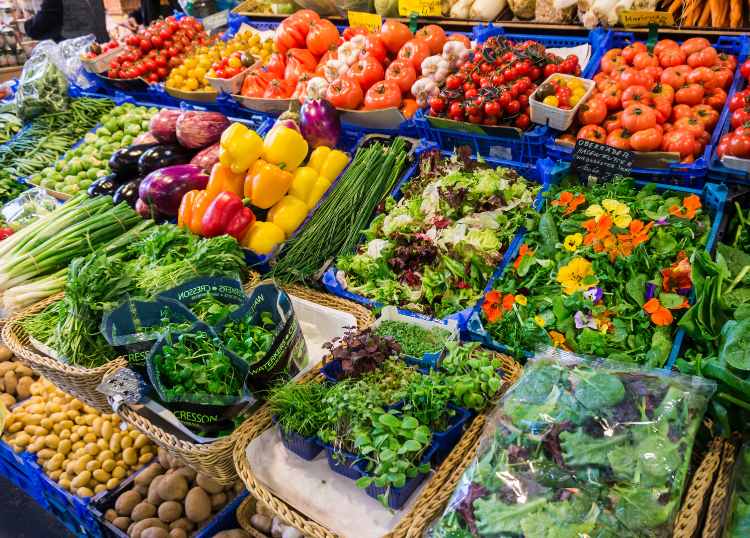
Visit Local Food Markets
Markets can bring several producers together in one place.
They are useful when a short trip does not allow enough time to visit individual farms and workshops.
Look for local cheeses, breads, preserves, fresh produce, prepared meals and small food businesses.
Talk to producers when appropriate.
Knowing who made something and where the ingredients came from can turn an ordinary purchase into a more memorable part of the trip.
Markets can also provide a useful starting point for identifying other places to visit nearby.
Stop at Independent Bakeries
Bakeries can reveal a surprising amount about local food culture.
Regional breads, rusks, pastries and sweet treats often reflect family recipes and community preferences.
An independent bakery may not appear on a conventional tourist itinerary, but it can be one of the easiest ways to experience everyday local food.
Ask what the bakery is known for rather than ordering only something already familiar.
The answer may point you towards a speciality you would otherwise have missed.
Look for Indigenous Ingredients
South African food tourism increasingly includes greater attention to indigenous plants and ingredients.
These may appear in contemporary restaurant dishes, drinks or products as well as traditional cooking.
The subject deserves care.
Indigenous ingredients should not be treated merely as unusual flavours for visitors.
They are connected to ecological knowledge, cultural traditions and questions about how knowledge and commercial benefits are shared.
Experiences that provide this context are generally more meaningful than those using an ingredient only as a novelty.
Try Preserves and Dried Foods
Preserving food has long been important in households and farming communities.
Jams, chutneys, pickles, dried fruit and dried meat can all form part of a regional food journey.
They are also practical purchases for travellers because many can be transported more easily than fresh food.
Look for small producers and ask about local ingredients.
A jar of preserve made from fruit grown nearby carries a clearer connection to the destination than a generic product simply sold in a tourist shop.
Include Rooibos Country
The Cederberg and surrounding areas provide an opportunity to connect a familiar South African product with the place where it is grown.
Rooibos is consumed across the country and internationally, but visiting its production region provides another perspective.
Farm and producer experiences may explain cultivation, processing and different ways the plant is used.
This is a useful reminder that food and drink tourism does not need to focus only on restaurants.
Agricultural landscapes are part of the story too.
Make Room for South African Wine Traditions
For adult travellers who drink alcohol, wine can form part of a broader heritage itinerary.
The Cape's wine history stretches back centuries and is connected to agriculture, labour, land and changing social conditions.
A thoughtful visit can therefore consider more than the contents of the glass.
Look for estates and experiences that provide meaningful information about the people, farming practices and history behind production.
Visitors who do not drink can still engage with the architecture, food, gardens and agricultural aspects of many estates.
Include Non-Alcoholic Local Drinks
A food itinerary should not assume everyone drinks alcohol.
Rooibos, locally produced juices and other regional beverages can provide alternatives.
Restaurants are also increasingly creative with non-alcoholic pairings.
Including these options makes group travel easier when people have different preferences.
It can also direct attention towards ingredients that might otherwise be overshadowed by wine and beer tourism.
Learn Through a Cooking Experience
Eating a dish tells you what it tastes like.
Preparing it with someone who knows the tradition can provide much more information.
Cooking experiences may introduce ingredients, techniques and family variations that are difficult to understand from a menu.
Choose experiences where the people sharing the knowledge have a genuine connection to the food being taught.
Smaller, locally led experiences can often provide more opportunity for conversation and questions.
Ask About the Story Behind the Recipe
Recipes are rarely static.
Families adjust them.
Ingredients change.
People move between regions and countries, carrying cooking traditions with them.
When someone shares a dish, ask about their version.
Where did they learn it?
Has the recipe changed?
Is it eaten every day or mainly on particular occasions?
These questions often lead to richer conversations than trying to determine whether a dish is the single "authentic" version.
Be Careful With the Word "Authentic"
Food tourism often relies heavily on authenticity.
The term can be misleading.
There may be several equally legitimate versions of the same dish, shaped by family tradition, migration, available ingredients and personal preference.
A contemporary restaurant can also reinterpret traditional food without making the original version less meaningful.
Instead of asking whether something is perfectly authentic, ask who made it, where the recipe comes from and what it means in that context.
Support Businesses Connected to the Community
Where you spend money matters.
Locally owned restaurants, guides, markets and producers can help keep more tourism income within the places being visited.
This does not mean every meal needs to come from a small business.
It means including local ownership and community benefit when choosing experiences.
A Heritage Month itinerary becomes more meaningful when the people whose food traditions attract visitors also participate economically in the tourism surrounding them.
Combine Food With Heritage Sites
Food experiences can work well alongside museums, historic districts and cultural sites.
A visit to a historic neighbourhood may be followed by a meal connected to the community's food traditions.
A rural heritage route could include a farm stall or local producer.
A museum visit might provide historical context that makes a later food experience easier to understand.
This creates a more connected itinerary than treating meals as gaps between attractions.
Do Not Overfill the Itinerary
Food travel benefits from time.
Markets deserve browsing.
Cooking experiences may take several hours.
A long lunch can be part of the day's activity rather than something squeezed between two attractions.
Avoid trying to fit every famous dish into one weekend.
Choose a few experiences that suit the route and allow enough time to understand them.
A conversation with a producer or cook may become more memorable than rushing to another restaurant simply because it appeared on a checklist.
Ask Before Photographing People
Food markets, community restaurants and cooking experiences can provide excellent photographs.
Remember that these are also workplaces and everyday community spaces.
Ask permission before photographing people closely, particularly traders, cooks and customers.
The same consideration applies when sharing images online.
Respectful food tourism is not only about what you buy.
It is also about how you behave in the places you visit.
Take Something Home From a Local Producer
A Heritage Month trip does not need to end with the final meal.
Preserves, spices, tea, rusks, dried products and other suitable foods can extend the experience.
Buying directly from producers also provides a practical way to support businesses encountered during the trip.
Choose products that travel safely and comply with any transport restrictions relevant to your journey.
When you use them later, they can also provide a reminder of the place and people behind the food.
Final Thoughts
Food provides one of the most immediate ways to connect with South Africa's heritage.
A Heritage Month trip might include Cape Malay cooking in Cape Town, Indian food traditions in Durban, a shisa nyama experience, Xhosa dishes in the Eastern Cape, Karoo farm food or seafood along the West Coast.
The strongest itineraries go beyond collecting famous dishes.
Spend time in markets. Talk to producers. Learn why particular ingredients are important. Choose locally led experiences and pay attention to the differences between regions and communities.
Food traditions are not frozen pieces of history.
They continue to change as families, businesses and communities adapt recipes and create new interpretations.
That is part of what makes them worth including in a heritage trip.
The meal can be memorable on its own, but understanding who made it, where it comes from and how it fits into the place can make the experience far more meaningful.