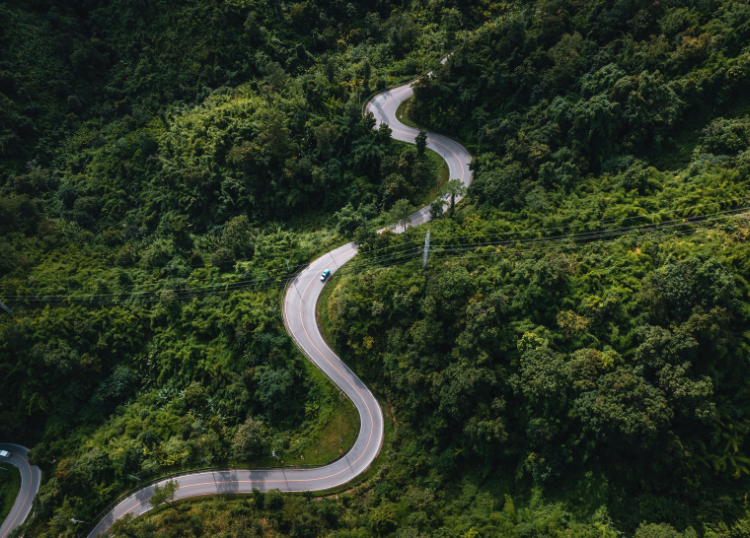

Some landscapes are best experienced from the ground.
Others become more interesting when you are moving above them.
Ziplining and canopy tours offer travellers a way to see forests, valleys and mountain terrain from a completely different perspective.
The appeal is not only speed.
A good canopy experience can combine elevated viewpoints, guided interpretation and the excitement of moving through a landscape in a way that would be impossible on an ordinary walking trail.
For families, couples and first-time adventure travellers, these activities can also provide a manageable introduction to outdoor adventure.
What Is Ziplining?
Ziplining involves travelling along a suspended cable between two points while secured in a harness and appropriate safety equipment.
Depending on the location, a zipline may cross:
- Forest
- Valley
- River
- Ravine
- Mountain slope
Some experiences contain one or two longer lines.
Others form part of a full course with several platforms and crossings.
What Is a Canopy Tour?
A canopy tour usually involves a sequence of ziplines and elevated platforms through a forest or similar natural environment.
The experience may include:
- Several cable sections
- Elevated platforms
- Short walking sections
- Bridges
- Guided interpretation
The focus is often as much on the environment as the activity itself.
A canopy tour can therefore feel different from a single high-speed zipline designed mainly for adrenaline.
Forest Adventures Can Include More Than Ziplines
Not every forest adventure revolves around cables.
Depending on the destination, experiences may also include:
- Suspension bridges
- Elevated walkways
- Rope courses
- Forest hiking
- Mountain biking
- Abseiling
- Guided nature walks
This makes forest destinations useful for groups where different people want different activity levels.
One traveller can choose the zipline while another prefers a guided walk.
South Africa Is Well Suited to This Type of Adventure
South Africa contains a wide variety of landscapes suitable for canopy and zipline experiences.
These include:
- Indigenous forest
- Mountain ravines
- Coastal forest
- River valleys
- Plantation areas
- Rugged inland terrain
That variety means the experience can differ substantially depending on where you go.
A forest canopy tour feels very different from a high-altitude mountain zipline.
The Scenery Is Often the Main Attraction
People sometimes assume ziplining is simply about going fast.
For many travellers, the setting becomes the more memorable part.
Moving above a forest or across a gorge can reveal:
- Tree canopies
- Rock formations
- Watercourses
- Distant mountains
The activity becomes a way of experiencing the landscape rather than something separate from it.
Canopy Tours Can Be Good for First-Time Adventure Travellers
Not everyone wants to begin an adventure holiday with:
- Technical climbing
- White-water rafting
- Multi-day hiking
A guided canopy tour can provide a more controlled introduction.
Participants generally receive:
- Safety equipment
- Instructions
- Guide supervision
The operator controls much of the technical side.
You mainly need to follow instructions and be comfortable with height.
Fear of Heights Is Worth Considering
A zipline can feel intimidating even when the activity is well managed.
If you are uncomfortable with heights, ask about:
- Platform height
- Longest line
- Course layout
- Exit options
Do not assume fear will automatically disappear once you arrive.
Some people find the experience helps them become more comfortable.
Others simply do not enjoy being suspended above the ground.
You Do Not Need to Be Extremely Fit
Many canopy tours do not require high levels of fitness.
However, you may still need to:
- Walk between platforms
- Climb stairs
- Manage uneven ground
- Stand for extended periods
Some mountain-based courses are more demanding than others.
Check the operator's fitness and mobility requirements before booking.
Weight and Age Restrictions May Apply
Zipline equipment and course design can involve specific limits.
Operators may apply restrictions based on:
- Minimum age
- Minimum weight
- Maximum weight
- Height
These limits are not arbitrary.
They are linked to equipment and safe operation.
Always check current requirements before paying for the activity.
Children Can Often Participate
Many zipline experiences welcome children above a certain age or size.
This can make them appealing for family holidays.
However, consider the individual child rather than only the official minimum age.
Ask:
- Are they comfortable with heights?
- Can they follow instructions?
- Will they enjoy waiting between sections?
A technically eligible child may still find the experience stressful.
Older Travellers Can Enjoy These Experiences Too
Adventure activities are not reserved for young travellers.
Some canopy tours can suit older adults who are:
- Mobile
- Comfortable with heights
- Able to manage the walking involved
Ask about course difficulty and access rather than assuming age alone determines suitability.
Guides Matter
A good guide does more than attach equipment.
They can help participants feel comfortable by explaining:
- What happens next
- How to position the body
- How braking works
- What to expect at each platform
On canopy tours, guides may also explain aspects of:
- Forest ecology
- Wildlife
- Local landscape
Strong guiding can make a nervous first-time participant enjoy the activity considerably more.
Listen Carefully During the Safety Briefing
The safety briefing is not the time to take photographs or check your phone.
Pay attention to instructions about:
- Harness use
- Hand position
- Braking
- Platform behaviour
- Landing
Different operators and systems may use different procedures.
Follow the instructions for the specific course rather than relying on what you remember from another zipline.
Do Not Adjust Equipment Yourself Unless Told To
Harnesses, helmets and attachment systems should be fitted according to the operator's procedure.
If something feels uncomfortable or loose, tell a guide.
Do not independently alter safety equipment unless instructed.
The staff should check equipment before the activity begins.
Wear the Right Clothing
Choose practical clothing that works with a harness.
Useful options generally include:
- Comfortable trousers or shorts
- T-shirt
- Light layer when needed
Avoid excessively loose clothing that may interfere with equipment.
Check the operator's specific clothing recommendations.
Closed Shoes Are Usually the Best Choice
Secure footwear makes movement between platforms easier.
Closed shoes with reasonable grip are generally more practical than:
- Flip-flops
- Loose sandals
- Formal shoes
Forest ground can be:
- Wet
- Uneven
- Muddy
Wear shoes you are comfortable walking in.
Tie Back Long Hair
Loose hair can interfere with:
- Helmets
- Harnesses
- Equipment
Tie long hair back before starting.
Remove or secure anything that could become caught.
Guides may provide specific instructions about jewellery and accessories.
Secure Your Phone
A phone dropped from an elevated platform may be extremely difficult to recover.
If phones are permitted, use a secure pocket or approved attachment.
Some operators may restrict handheld photography while on the course.
Follow their rules.
A photograph is not worth interfering with safe equipment use.
Consider Leaving Valuables Behind
Avoid carrying unnecessary items.
Where secure storage is available, consider leaving:
- Wallets
- Keys
- Loose sunglasses
- Jewellery
Carry only what you genuinely need.
The lighter and simpler your setup, the easier it is to focus on the activity.
Weather Can Affect Zipline Operations
Outdoor adventure activities depend on conditions.
Strong wind, lightning or heavy rain may cause delays or cancellations.
Operators should prioritise safety over maintaining the advertised schedule.
If ziplining is a major part of your trip, avoid scheduling it immediately before:
- A flight
- Long transfer
- Other fixed commitment
Some flexibility makes weather-related changes easier to manage.
Light Rain Does Not Always Stop the Activity
A forest can be particularly atmospheric in light rain.
However, conditions may become:
- Slippery
- Colder
- More physically demanding
Operators will decide whether the course remains safe.
Bring appropriate outerwear if rain is possible.
Summer and Winter Offer Different Experiences
Season changes the environment.
Summer may offer:
- Greener vegetation
- Warmer temperatures
- Afternoon storms
Winter may bring:
- Cooler conditions
- Clearer air
- Different rainfall patterns
The best time depends on the region.
South Africa's climate varies substantially between provinces.
Morning Bookings Can Be Useful
Morning activity slots may offer:
- Cooler temperatures
- Less chance of some afternoon weather conditions
- More time to adjust the day's plans if something changes
They can also leave the rest of the day available for other activities.
However, conditions vary by location and season.
Book Ahead During Busy Periods
Popular adventure activities can fill up during:
- School holidays
- Public holidays
- Long weekends
- Peak tourist seasons
Booking ahead is particularly useful for:
- Families
- Larger groups
- Travellers with fixed itineraries
Smaller groups may sometimes find same-day availability, but it should not be assumed.
Group Size Changes the Experience
Large groups can spend more time waiting between sections because participants move one at a time.
Smaller groups may move through the course more quickly.
If you prefer a quieter experience, ask about:
- Typical group sizes
- Private booking options
- Less busy departure times
This can matter as much as the course itself.
Expect Some Waiting
Ziplining is not continuous movement.
You may need to wait while:
- Guides reposition
- Other participants cross
- Equipment is checked
This is especially common on multi-line canopy tours.
Use the waiting time to enjoy the view and listen to the guide rather than expecting constant action.
Longer Is Not Automatically Better
A course advertising the greatest number of lines is not necessarily the best experience.
Consider:
- Setting
- Quality of guiding
- Group size
- Views
- Course design
- Environmental interpretation
Ten repetitive short lines may be less memorable than a smaller course through a spectacular landscape.
Speed Is Only One Part of the Experience
Some ziplines are designed around speed.
Others are slower and more scenic.
Read the activity description carefully.
If you want:
maximum adrenaline
choose accordingly.
If you want:
forest scenery and guided interpretation
a canopy tour may be more appropriate.
Forest Ecology Can Add Depth
Good canopy tours can help visitors understand the ecosystem beneath them.
Guides may point out:
- Indigenous trees
- Bird species
- Forest structure
- Conservation issues
This can turn a recreational activity into a more informative environmental experience.
Watch for Birdlife
Forests can contain considerable bird diversity.
Elevated platforms may provide a different perspective from ordinary trails.
You may see or hear species that are difficult to notice from ground level.
Bring binoculars only if they can be carried securely and without interfering with safety equipment.
Wildlife Sightings Are Not Guaranteed
A forest tour may mention possible wildlife.
That does not mean animals appear on demand.
You might see:
- Birds
- Monkeys
- Small mammals
You might see none.
The landscape should remain worthwhile even without a wildlife sighting.
Keep Noise Reasonable
Excitement is understandable.
Constant shouting through a forest is less considerate.
Excessive noise can:
- Disturb wildlife
- Affect other groups
Follow the tone set by the guides.
Adventure does not need to mean ignoring the surroundings.
Respect the Forest
Canopy tours depend on the environment that makes them appealing.
Avoid:
- Leaving rubbish
- Breaking vegetation
- Going off designated routes
- Removing natural objects
Follow site rules.
Responsible outdoor tourism depends on visitors leaving the environment in good condition.
Ask How the Course Is Built
Travellers interested in responsible tourism may want to know how the course interacts with the forest.
Questions can include:
- How are platforms attached?
- How is vegetation protected?
- How are trails maintained?
- Does the operator support conservation work?
A credible operator should be able to explain how the activity is managed within the environment.
Adventure Tourism and Conservation Can Work Together
Outdoor tourism can create financial reasons to protect natural landscapes.
Visitor fees may contribute to:
- Land management
- Employment
- Conservation
However, not every adventure business automatically produces conservation benefits.
Look at actual practices rather than relying only on environmental marketing.
Tree-Top Walkways Offer a Gentler Alternative
If ziplining feels too intense, elevated walkways can provide another way to experience a forest canopy.
These may include:
- Raised paths
- Observation platforms
- Suspension bridges
They can suit travellers who want height and views without being attached to a moving cable.
Suspension Bridges Add Adventure Without High Speed
Some forest experiences include suspension bridges between platforms.
These can provide enough excitement for travellers who do not need high-speed activities.
They also create opportunities to stop and look at the surroundings.
Again, check accessibility and mobility requirements beforehand.
Rope Courses Are More Physically Demanding
High-rope courses generally require participants to move through obstacles while attached to safety systems.
These might include:
- Nets
- Bridges
- Beams
- Ropes
They can require more balance and upper-body effort than a standard zipline.
Do not assume the two activities demand the same fitness level.
Combine Ziplining With Hiking
A morning canopy tour followed by an afternoon hike can work well for active travellers.
The two experiences provide different perspectives.
Ziplining lets you move through or above the landscape quickly.
Walking allows you to slow down and notice:
- Plants
- Tracks
- Water
- Smaller details
Choose a hike suited to your remaining energy.
Combine Forest Activities With a Road Trip
Canopy tours can fit naturally into road-trip itineraries.
They often work well as a half-day activity between longer drives.
Possible combinations can include:
- Garden Route
- Drakensberg
- Midlands
- Mountain regions
- Forest towns
Avoid overfilling the day if the activity involves a long transfer before or afterwards.
Garden Route Forest Adventures
The Garden Route is especially well suited to forest-based activities because of its combination of:
- Indigenous forest
- Mountains
- Rivers
- Coastal scenery
Travellers can pair adventure activities with:
- Hiking
- Beaches
- Nature reserves
- Road trips
This makes the region particularly useful for families or groups with varied interests.
Mountain Ziplining Creates a Different Experience
Mountain courses may cross:
- Ravines
- Valleys
- Open slopes
These tend to feel more exposed than forest canopy tours.
They may appeal to travellers seeking dramatic views and a stronger sense of height.
Weather can also feel more pronounced in exposed terrain.
Coastal Forest Adventures Can Add Variety to Beach Holidays
A coastal trip does not need to consist entirely of beaches.
Forest activities can provide a useful change of pace.
A family holiday might combine:
- Beach morning
- Forest canopy tour
- Local restaurant
- Short nature walk
This can help balance relaxation with activity.
Ziplining Can Work for Multi-Generational Trips
A multi-generational family may include people with very different activity preferences.
Some may choose the canopy tour.
Others may prefer:
- Café
- Scenic walk
- Nearby attraction
Check whether the activity centre has facilities for non-participants.
This can make logistics considerably easier.
Spectators May Not See Much
On some canopy courses, participants disappear into the forest after the briefing.
Family members waiting behind may not be able to watch the activity.
If someone in the group is not participating, ask what facilities are available nearby.
They may prefer to arrange another activity instead of waiting several hours.
Adventure Activities Need Time Buffers
Do not schedule a canopy tour too tightly between other commitments.
Allow time for:
- Check-in
- Safety briefing
- Equipment fitting
- Course delays
- Transport back
Advertised activity duration may not include every part of the experience.
A time buffer keeps the day less rushed.
Arrive Early
Operators often need to organise groups before departure.
Arriving late can affect:
- Safety briefing
- Equipment fitting
- Other participants
Check the required arrival time.
That may be earlier than the advertised activity start.
Complete Forms Beforehand Where Possible
Some operators require:
- Waivers
- Participant details
- Medical information
Completing these in advance can simplify check-in.
Read the documentation rather than clicking through it automatically.
You should understand the activity conditions you are agreeing to.
Mention Relevant Medical Concerns
Adventure operators may ask about conditions that could affect participation.
Be accurate.
Do not hide something important simply because you are worried you may not be allowed to participate.
If you are uncertain about whether an activity is appropriate for a medical condition, seek appropriate professional advice before travelling.
Pregnancy Restrictions May Apply
Many zipline operators restrict participation during pregnancy because of harness and activity-related risks.
Check the policy before booking.
Do not assume the activity is suitable simply because it does not feel physically intense.
Previous Injuries Matter
Back, neck, shoulder or joint problems may affect comfort and suitability.
Harnesses and landings can place pressure on particular areas.
Ask the operator about requirements and discuss significant concerns with an appropriate medical professional.
Hydration Still Matters
The activity may not feel like strenuous exercise, but you are still outdoors.
Bring water where permitted, especially in warmer conditions.
Some operators may provide water or have restrictions on what can be carried on the course.
Check before starting.
Use Sun Protection
Even forest environments can involve significant sun exposure on:
- Open platforms
- Transfer vehicles
- Mountain sections
Use appropriate:
- Sunscreen
- Clothing
A helmet may provide some shade but should not be treated as complete sun protection.
Insect Repellent Can Be Useful
Forests and river areas can contain insects.
Depending on the location and season, insect repellent may make the experience more comfortable.
Apply products before putting on safety equipment where appropriate.
Wear Layers in Cooler Regions
Mountain and forest temperatures can change through the day.
A light layer can be useful in:
- Early mornings
- Shaded valleys
- Winter
Choose clothing that fits comfortably beneath the harness.
Bulky jackets may be unsuitable.
Do Not Let the Camera Dominate the Experience
It is easy to become focused on recording every line.
Some operators may offer their own photography.
Whether they do or not, spend part of the activity simply experiencing it.
A zipline lasts only a short time.
Watching it entirely through a phone screen rather defeats the point.
Action Cameras Need Approval
Some operators allow helmet or body-mounted cameras.
Others do not.
Do not attach equipment to safety gear without permission.
The operator needs to determine whether the mounting method is compatible with the equipment.
Photos Can Look Faster Than the Activity Feels
Marketing photographs often show dramatic movement and large drops.
Actual experiences vary.
Some lines may feel gentle.
Others may be fast.
Choose according to the operator's description and course characteristics rather than one promotional image.
Check What the Price Includes
Before booking, confirm whether the price includes:
- Safety equipment
- Guides
- Transfers within the activity
- Photographs
- Park fees
Extras can affect the total cost.
Comparing two operators only by the headline price may therefore be misleading.
Ask About Cancellation Terms
Weather-dependent activities can have specific cancellation arrangements.
Understand what happens if:
- You cancel
- The operator cancels
- Weather stops the activity
Possible outcomes may include:
- Rescheduling
- Credit
- Refund
Policies vary, so check before paying.
Read Recent Reviews
Recent reviews can provide useful information about:
- Organisation
- Guides
- Waiting times
- Equipment
- Communication
Look for repeated patterns.
One complaint may reflect an unusual day.
Multiple similar comments deserve more attention.
Avoid Choosing on Price Alone
Adventure activities involve safety systems, maintenance, guides and specialised equipment.
The cheapest option is not automatically poor.
However, cost should not be the only deciding factor.
Consider:
- Safety practices
- Reputation
- Guide quality
- Course design
- Environmental management
Value matters more than simply finding the lowest rate.
Ask About Safety Standards
A reputable operator should be comfortable discussing:
- Equipment inspections
- Guide training
- Course maintenance
- Operating procedures
You do not need to perform a technical audit yourself.
You should be able to receive clear answers rather than vague reassurance.
Equipment Should Look Well Maintained
Participants should expect properly maintained:
- Harnesses
- Helmets
- Connectors
- Cables
Visible wear does not automatically indicate unsafe equipment, because technical gear can show ordinary use.
However, the operation should appear organised and professionally managed.
Raise concerns if something appears damaged or improperly fitted.
Never Ignore Guide Instructions for a Better Photo
Do not:
- Turn unexpectedly
- Remove hands from required positions
- Carry unsafe objects
- Change attachment systems
simply to improve a photograph or video.
The guide's instructions take priority.
Confidence Usually Improves After the First Line
For nervous participants, the first zipline is often the hardest.
Once they understand:
- How the harness feels
- How the line works
- What landing is like
the activity may become much easier.
Good guides know this and usually explain the first section carefully.
You Are Allowed to Decide It Is Not for You
Not enjoying heights does not make you a poor traveller.
If you reach the briefing and realise the activity is beyond your comfort level, speak to the guides.
Do not feel pressured to participate solely because the rest of the group is doing it.
Adventure should still be voluntary.
Forest Adventures Are About Variety
The main appeal of these activities is that they break up a conventional sightseeing itinerary.
Instead of spending every day:
- Driving
- Walking through attractions
- Sitting at restaurants
you get a more physical experience of the destination.
For many travellers, that variety is what makes the day memorable.
A Practical Ziplining Checklist
Before booking, check:
- Minimum and maximum age requirements
- Weight restrictions
- Fitness requirements
- Course duration
- Number and type of ziplines
- Height exposure
- Required clothing
- Weather policy
- Cancellation terms
- Safety procedures
- Group size
- What the price includes
- Whether photography is available
- Whether non-participants have somewhere to wait
Knowing these details prevents most avoidable surprises.
Final Thoughts
Ziplining, canopy tours and forest adventures offer a useful middle ground between passive sightseeing and highly technical adventure sports.
They provide excitement without necessarily requiring advanced skills, and the best experiences use the activity as a way to appreciate the surrounding landscape.
That landscape might be an indigenous forest, mountain gorge, river valley or coastal woodland.
Choose the experience according to what you want from the day.
If you want speed and height, look for a more adrenaline-focused course.
If you are more interested in scenery and interpretation, a guided canopy tour may suit you better.
Check age, weight and mobility requirements, dress appropriately and pay close attention to the safety briefing.
Then allow yourself to enjoy the part that cannot really be understood from a photograph: moving through a landscape from somewhere you would never normally be able to stand.