
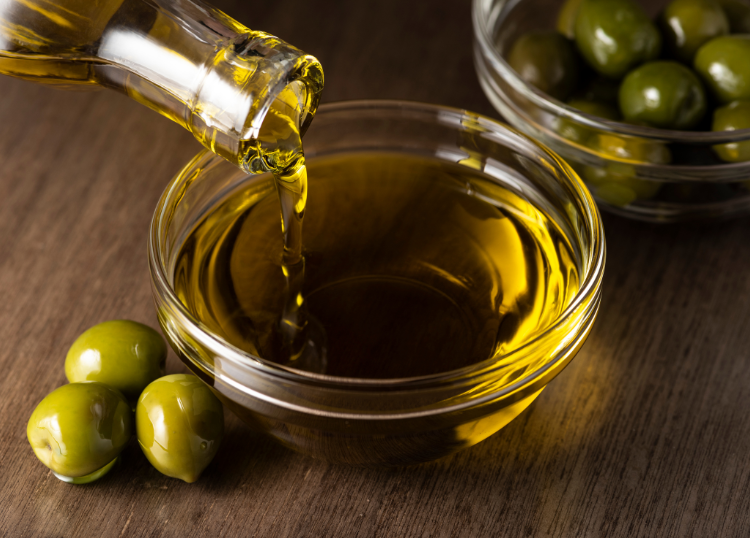
South Africa's wine routes are firmly established on travel itineraries, but olives provide another reason to spend time in the country's agricultural regions.
The Western Cape in particular has conditions suited to olive cultivation, and a number of farms produce extra virgin olive oil, table olives, tapenades, and other products.
For travellers, visiting an olive farm can be much more interesting than simply buying a bottle of oil.
Depending on the estate, you may be able to taste different olive oils, learn how quality and flavour vary between cultivars, enjoy lunch overlooking farmland, browse locally produced food, or stay overnight.
If food is an important part of how you travel, these South African olive farms and olive-growing regions are worth knowing about.
Babylonstoren, Franschhoek
Babylonstoren is one of the Western Cape's best-known farm destinations.
Located in the Cape Winelands, the historic farm combines agriculture, gardens, food, wine, accommodation, and olive production.
Visitors interested in olives can learn more about how olive oil is produced and taste oils made on the farm. The wider estate also makes it easy to turn the visit into a full day rather than stopping only for a tasting.
The extensive garden is a major attraction in its own right, while restaurants and farm produce make Babylonstoren particularly suitable for travellers interested in food and agriculture.
Because activities and tasting options can change, check what is available when planning your visit.
Morgenster Estate, Somerset West
Morgenster Estate has a long association with olive oil production in South Africa.
Situated in Somerset West, the estate combines olive cultivation with wine production in a setting beneath the Helderberg mountains.
Morgenster has become particularly well known for its extra virgin olive oils.
For visitors accustomed to treating olive oil simply as a cooking ingredient, a tasting can be surprisingly informative.
Different oils can vary noticeably in aroma, bitterness, fruitiness, and pepperiness.
A visit provides an opportunity to understand these characteristics while spending time in one of the Cape's established agricultural areas.
Tokara, Stellenbosch
Tokara is widely associated with wine, but olives are also an important part of the estate.
Its location on the Helshoogte Pass between Stellenbosch and Franschhoek makes it convenient to include within a broader Cape Winelands itinerary.
The estate produces extra virgin olive oil alongside its wines and offers the type of setting that makes a leisurely visit worthwhile.
Travellers can combine their interest in local produce with views, food, wine, and the surrounding Stellenbosch landscape.
If you're already planning a day through Stellenbosch and Franschhoek, Tokara can fit naturally into the route.
Rio Largo Olive Estate, Breede River Valley
For travellers willing to go beyond the busiest Cape Winelands routes, the Breede River Valley offers another side of South African olive production.
Rio Largo Olive Estate is located in the Scherpenheuwel Valley between Worcester and Robertson.
The estate is known for extra virgin olive oil and provides an opportunity to learn more about local production away from the better-known tourism centres around Stellenbosch and Franschhoek.
The wider Robertson and Worcester region also offers wine estates, farm stalls, restaurants, and country accommodation.
That makes an olive-focused visit easy to incorporate into a longer road trip through the valley.
Willow Creek Olive Estate, Near Worcester
The Worcester area is another important destination for travellers interested in South African olive oil.
Willow Creek is an established local producer offering extra virgin olive oils and a range of olive-related products.
The estate's location makes it a useful stop for travellers heading through the Breede River Valley or combining Worcester with nearby Robertson and surrounding agricultural areas.
Olive oil enthusiasts may particularly appreciate the opportunity to compare different oils and understand how flavour profiles can vary.
Check current visitor and tasting arrangements before making a special journey, as experiences offered by working farms can change.
Kloovenburg Wine & Olive Estate, Riebeek Kasteel
The Swartland is one of South Africa's most interesting food and wine regions, and olives form an important part of its agricultural identity.
Kloovenburg is situated near Riebeek Kasteel and produces both wine and olive products.
The Riebeek Valley itself makes an appealing weekend destination from Cape Town.
Visitors can combine olive tasting with:
- Wine tasting
- Restaurants
- Farm shops
- Local produce
- Country accommodation
Riebeek Kasteel and neighbouring Riebeek West provide a relaxed base for spending more time in the region.
Het Vlock Casteel, Riebeek Kasteel
Also in the Riebeek Valley, Het Vlock Casteel is closely associated with olives and locally produced food.
Visitors can find olive oils, table olives, preserves, and other farm products, making it a worthwhile stop for anyone interested in taking local flavours home.
One of the advantages of visiting the Riebeek Valley is the concentration of food and agricultural experiences within a relatively compact area.
Rather than visiting one olive producer and immediately returning to Cape Town, consider staying longer and visiting several producers around the valley.
Goedgedacht, Swartland
Goedgedacht is another historic farm in the Swartland associated with olive cultivation.
The farm has a long agricultural history and is also known for community development work.
For travellers interested in the broader story behind food production, farms such as Goedgedacht can provide a different perspective from purely commercial tasting destinations.
As with other working farms, visitor access and available experiences can change, so confirm arrangements before travelling specifically for an olive-related visit.
Why the Western Cape Produces Olives
Most of South Africa's olive production is concentrated in the Western Cape.
The region's Mediterranean-type climate, with generally wet winters and dry summers in many growing areas, suits olive cultivation.
Olive-producing areas include parts of:
- Paarl
- Stellenbosch
- Franschhoek
- Somerset West
- Swartland
- Breede River Valley
- Klein Karoo
Conditions vary considerably between these regions, which can influence how olives grow and the characteristics of the resulting oil.
What Happens During an Olive Oil Tasting?
If you've never attended an olive oil tasting, you may be surprised by how much there is to notice.
Rather than pouring oil over bread immediately, formal tastings often encourage you to assess the oil itself.
You may notice aromas and flavours that are:
- Grassy
- Herbaceous
- Fruity
- Peppery
- Bitter
- Nutty
Bitterness and pepperiness aren't automatically signs that something is wrong.
In quality extra virgin olive oils, these characteristics can form part of the oil's natural flavour profile.
Different Cultivars Produce Different Flavours
Just as grape varieties influence wine, olive cultivars can influence olive oil.
Some oils are produced from a single cultivar, while others combine several varieties to create a particular flavour profile.
During a tasting, ask which cultivars were used.
Comparing oils side by side can make differences much easier to identify than tasting them separately at home.
Extra Virgin Olive Oil Isn't All the Same
Olive oil is sometimes treated as a generic pantry ingredient, but quality and flavour can differ considerably.
Freshness, olive quality, harvesting methods, storage, processing, and handling can all influence the finished product.
Visiting a producer provides an opportunity to ask questions about:
- Harvesting
- Pressing or extraction
- Storage
- Cultivars
- Freshness
- Recommended uses
It can change the way you choose olive oil once you return home.
Visit During Harvest Season for a Different Perspective
Olive harvesting in South Africa generally takes place during the cooler part of the year, although exact timing varies by cultivar, location, and season.
Visiting an olive-growing region around harvest time can provide a different perspective on production.
Working farms may be considerably busier during this period, and not every facility will necessarily offer public harvest activities.
If seeing production is important to you, contact the farm beforehand to find out what visitors can experience.
Olive Farms Pair Naturally With Wine Routes
One of the easiest ways to include olive farms in a South African holiday is to combine them with established wine routes.
Stellenbosch, Franschhoek, Paarl, Somerset West, and the Swartland all offer opportunities to experience both products.
This works particularly well for groups where not everyone wants to spend the entire day wine tasting.
An itinerary could combine:
- Olive oil tasting
- Wine tasting
- Farm lunch
- Garden visit
- Local produce shopping
Just avoid trying to fit too many estates into one day. Farm visits are considerably more enjoyable when they aren't treated as a race between appointments.
The Riebeek Valley Is Particularly Good for Olive Lovers
Travellers specifically interested in olives should consider spending time around Riebeek Kasteel and Riebeek West.
The area's olive-growing identity means you can combine several food experiences without travelling enormous distances between them.
The villages also provide restaurants, accommodation, galleries, and other reasons to stay overnight.
From Cape Town, the Swartland is close enough for a day trip, but an overnight stay allows for a much slower itinerary.
Consider the Breede River Valley for a Road Trip
Worcester and Robertson can easily form part of a longer Western Cape road trip.
The region offers:
- Olive producers
- Wine estates
- Mountain scenery
- Farm stalls
- Restaurants
- Country accommodation
It also provides a different atmosphere from the more heavily visited Stellenbosch and Franschhoek areas.
Travellers heading towards the Klein Karoo can incorporate the valley naturally into their route.
Don't Rush the Tasting
Olive oil tasting can seem straightforward until several oils are placed next to one another.
Give yourself time to compare them.
Ask questions about what you're tasting and how the producer recommends using each oil.
A robust, peppery oil might suit different dishes from a milder oil.
Understanding those differences makes the tasting more useful than simply deciding which bottle has the most attractive packaging.
Look Beyond Olive Oil
Olive farms often produce much more than bottled oil.
Depending on the farm, you may find:
- Table olives
- Tapenades
- Olive pastes
- Preserves
- Dressings
- Beauty products
- Gift sets
Farm shops can be good places to find South African products that aren't always widely available in supermarkets.
They also make practical stops if you're looking for locally produced gifts.
Check Opening Times Before Travelling
Olive farms are working agricultural businesses, and visitor arrangements can change.
Some require bookings for tastings or tours. Others may have different opening hours during certain seasons.
Before travelling, confirm:
- Opening days
- Tasting availability
- Booking requirements
- Restaurant reservations
- Tour times
- Whether children are accommodated
This is particularly important when visiting smaller producers or travelling outside peak tourism periods.
Allow Time for the Surrounding Region
An olive farm doesn't need to be the only reason for visiting an area.
South Africa's olive-growing regions contain some of the country's most attractive agricultural landscapes.
A visit can easily form part of a day involving small towns, restaurants, wine estates, hiking, markets, or scenic drives.
That broader context is part of what makes visiting producers more interesting than simply buying their products from a shop.
Buying Olive Oil to Take Home
If you find an oil you particularly enjoy, buying directly from the producer can be a good way to remember the trip.
Pay attention to packaging and storage.
Olive oil is best protected from excessive heat and light, so avoid leaving bottles in a hot vehicle for extended periods.
If you're flying internationally, also check airline baggage rules and customs requirements for your destination before packing food products.
Final Thoughts
South African olive farms offer a different way to experience some of the country's best-known agricultural regions.
Babylonstoren, Morgenster, Tokara, Rio Largo, Willow Creek, Kloovenburg, and producers around the Riebeek Valley and Swartland show that the Western Cape's food culture extends well beyond wine.
A visit can introduce you to different olive cultivars, production methods, flavour profiles, and locally made products while providing another reason to spend time in the countryside.
Rather than trying to visit as many farms as possible, choose a region and allow enough time to enjoy it properly.
A slow lunch, a few carefully tasted oils, and an afternoon among the farms can be every bit as memorable as a traditional day on the wine route.


