South Africa is a country shaped by resilience, diversity, struggle, and triumph. Its museums are more than buildings filled with artifacts — they are living storytellers that preserve the nation’s complex past and inspire future generations. From the painful realities of apartheid to celebrations of indigenous cultures and democratic freedom, museums in South Africa offer visitors a deeper understanding of the country’s identity.
Whether you are a local traveler, history enthusiast, or international tourist, exploring these museums provides an unforgettable journey through South Africa’s rich heritage.
Apartheid Museum – Johannesburg
The Apartheid Museum in Johannesburg is one of the most powerful museums in South Africa. Opened in 2001, the museum documents the rise and fall of apartheid through emotional exhibits, photographs, film footage, and personal testimonies.
Visitors begin their journey by entering through racially segregated entrances, immediately confronting the harsh realities of the apartheid era. Inside, the museum presents the struggle for freedom and the courage of activists who fought against racial oppression.
The museum not only educates but also encourages reflection on democracy, equality, and human rights. It remains a must-visit destination for anyone wanting to understand South Africa’s modern history.
Nelson Mandela Capture Site – KwaZulu-Natal
Located near Howick in KwaZulu-Natal, the Nelson Mandela Capture Site marks the place where Nelson Mandela was arrested in 1962 before spending 27 years in prison.
The site features a striking sculpture made up of 50 steel columns that form Mandela’s face when viewed from a certain angle. The museum and exhibition center provide insight into Mandela’s life, leadership, and role in the anti-apartheid movement.
This museum is a deeply moving tribute to one of the world’s greatest human rights icons and highlights South Africa’s long journey toward freedom.
District Six Museum – Cape Town
The District Six Museum in Cape Town tells the heartbreaking story of a vibrant multicultural community destroyed during apartheid.
In the 1970s, more than 60,000 residents were forcibly removed from District Six after the government declared the area for white residents only. The museum preserves the memories, photographs, maps, and voices of those displaced families.
Today, the museum serves as both a memorial and a reminder of the devastating social impact of forced removals. Visitors gain a personal and emotional understanding of apartheid’s effect on ordinary South Africans.
Hector Pieterson Museum – Soweto
The Hector Pieterson Museum in Soweto commemorates the 1976 Soweto Uprising, where students protested against the use of Afrikaans in schools.
Named after 12-year-old Hector Pieterson, who became a symbol of the uprising after his death was captured in a famous photograph, the museum explores the bravery of young activists during apartheid.
Interactive displays, oral histories, and documentary footage provide visitors with a vivid account of the student-led resistance movement. The museum stands as a reminder of the role young people played in shaping South Africa’s democracy.
Iziko South African Museum – Cape Town
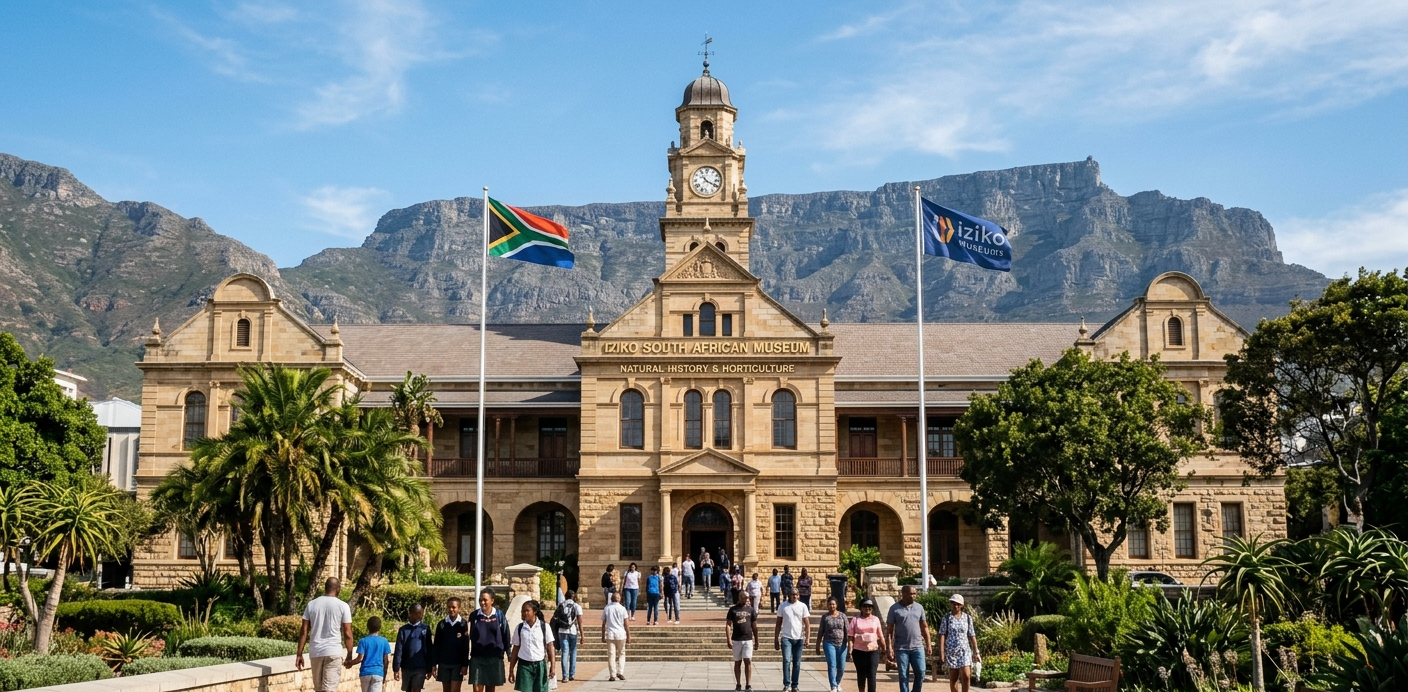
Founded in 1825, the Iziko South African Museum is one of the oldest museums in South Africa. Located in Cape Town, it houses extensive collections related to archaeology, paleontology, indigenous cultures, and natural history.
Visitors can explore exhibits on the San people, African fossils, marine life, and ancient civilizations. The museum offers an educational experience that connects South Africa’s natural environment with its human history.
Its diverse exhibitions make it an ideal destination for families, students, and travelers interested in science and culture.
Constitution Hill – Johannesburg
Constitution Hill is both a museum and a symbol of South Africa’s democratic transformation. Once a notorious prison that held political prisoners such as Nelson Mandela and Mahatma Gandhi, the site is now home to the Constitutional Court of South Africa.
Visitors can tour the former prison cells, learn about political resistance, and explore exhibitions dedicated to justice and constitutional rights.
Constitution Hill represents the country’s commitment to democracy, equality, and reconciliation after decades of oppression.
Why These Museums Matter
Museums in South Africa play a crucial role in preserving memory and educating future generations. They provide spaces for reflection, dialogue, and healing while honoring the stories of those who shaped the nation.
These institutions help visitors understand the country’s painful past, celebrate cultural diversity, and appreciate the resilience of South Africans throughout history.
For travelers, visiting these museums is not just about sightseeing — it is about connecting with the heart and soul of South Africa.
Conclusion
South Africa’s museums are among the most meaningful cultural destinations in the world. From the Apartheid Museum and Constitution Hill to the District Six Museum and Hector Pieterson Museum, each site tells a story that continues to shape the nation today.
Exploring these museums offers more than historical knowledge; it provides insight into humanity, courage, and the ongoing pursuit of freedom and equality. For anyone seeking a deeper understanding of South Africa, these museums are essential places to visit.