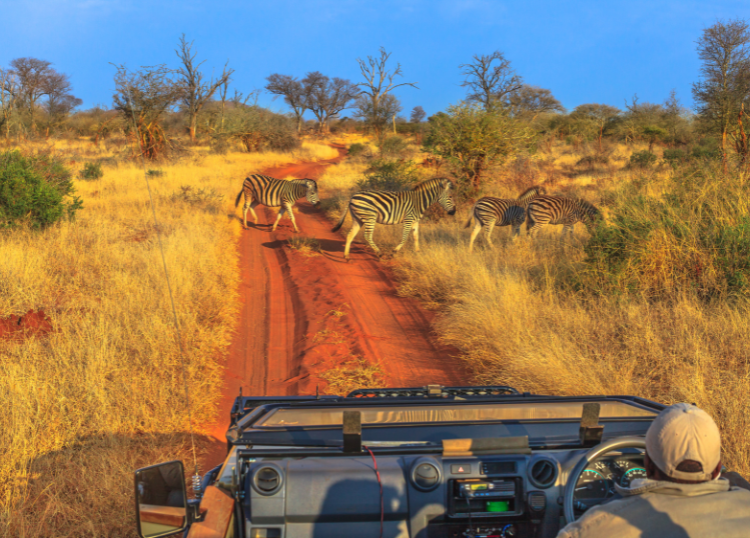
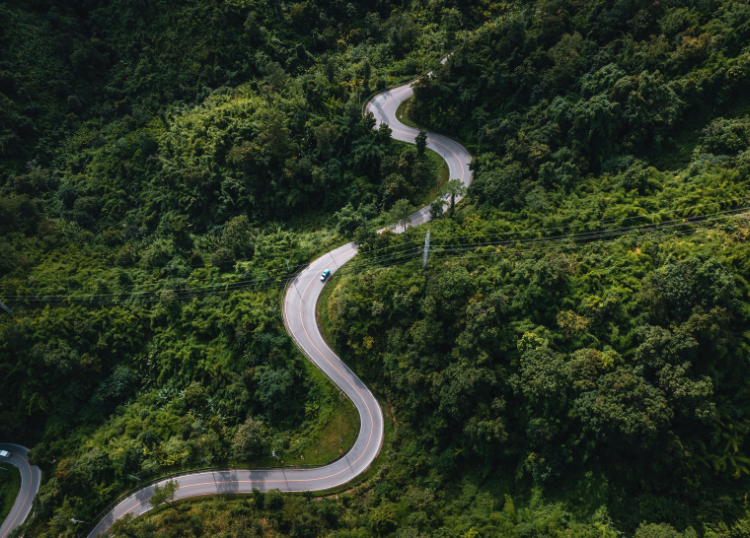
South Africa's mountain passes offer some of the country's most memorable road trips.
They connect valleys, towns and regions through landscapes that can change dramatically within a relatively short distance.
A drive may begin among vineyards, climb through rugged rock formations and descend into farmland or forest.
Other routes cross high-altitude terrain where sweeping views reveal mountain ranges stretching far beyond the road.
October is an appealing month for these journeys.
Spring is well established across much of the country, daylight hours are increasing and many destinations are preparing for the summer travel season.
However, October conditions vary considerably between regions.
The Western Cape may experience warmer, drier weather as summer approaches.
Higher mountain areas can still be cold, windy or affected by sudden weather changes.
In the eastern parts of the country, spring thunderstorms may influence road conditions.
Mountain-pass travel therefore requires more planning than an ordinary highway journey.
Road surfaces, steep gradients, narrow sections and changing weather can affect both safety and travel times.
Some routes are suitable for conventional passenger vehicles under normal conditions.
Others require high-clearance or four-wheel-drive vehicles and experienced drivers.
The best approach is to choose a route that matches the vehicle, available time and travel preferences.
With sensible preparation, an October road trip can provide a memorable combination of mountain scenery, small-town hospitality and the pleasure of travelling at a slower pace.
Why October Is a Good Month for Mountain Pass Road Trips
October falls between the cooler winter months and the busiest summer holiday period.
Many travellers find this a convenient time for scenic drives.
Spring vegetation can add colour to valleys and mountain slopes.
Longer daylight hours provide more flexibility for stops.
However, October is not uniformly warm or dry.
Mountain conditions can change quickly.
Some routes may be affected by rain, mist or strong winds.
The season offers opportunities, but conditions should always be checked before departure.
Mountain Passes Are Destinations, Not Just Roads
Mountain passes were often developed to connect settlements and economic regions.
Today, many are attractions in their own right.
They provide access to scenery that is difficult to appreciate from major highways.
Some have historic stonework, bridges and carefully engineered bends.
Others reveal dramatic geological formations.
A successful road trip should allow time to appreciate these features.
Driving straight through without stopping can mean missing much of the experience.
Choose the Right Route for Your Vehicle
South African mountain passes vary widely in road condition.
Some are fully tarred and regularly used by ordinary vehicles.
Others have gravel surfaces, steep gradients or narrow sections.
Certain routes require specialist vehicles or specific driving experience.
The road's condition may also change after heavy rain or maintenance work.
Travellers should confirm current access requirements before departure.
A route that looks manageable on a map may be unsuitable for the vehicle being used.
Bainskloof Pass, Western Cape
Bainskloof Pass is one of the Western Cape's historic mountain routes.
It crosses the mountains between the Wellington area and the Breede River Valley.
The pass is known for its stonework, winding road and dramatic mountain scenery.
It offers a different experience from a modern highway.
However, sections can be narrow and require careful driving.
Travellers should check current road access and conditions.
A relaxed journey allows time to appreciate the surrounding landscape without rushing through the bends.
What Makes Bainskloof Pass Special?
Bainskloof Pass combines engineering history with natural scenery.
Its route follows the contours of the mountains rather than cutting through them on a modern highway alignment.
This creates a sense of travelling through the landscape.
Rock formations and mountain slopes dominate the views.
However, the road requires attention.
Drivers should avoid stopping in unsafe places or obstructing traffic.
Designated stopping areas are preferable for photographs.
Planning a Wellington and Bainskloof Road Trip
Wellington can provide a convenient starting point for a Bainskloof outing.
The town is associated with agriculture, wine and historic buildings.
A road trip can include a meal or coffee stop before entering the mountains.
However, the route should be planned around current road conditions.
Visitors should also consider whether they want to return along the same road or continue towards the Breede River Valley.
A short mountain drive can become a rewarding half-day excursion when sufficient time is allowed.
Du Toitskloof Pass, Western Cape
Du Toitskloof Pass is a scenic alternative to travelling through the Huguenot Tunnel.
The older mountain route climbs through dramatic terrain.
It offers expansive views and a stronger sense of the surrounding mountains.
However, road conditions and access should be checked before choosing it.
Weather can affect visibility.
The pass is best enjoyed without time pressure.
Travellers should allow for slower driving than on the main highway.
Why the Old Du Toitskloof Route Appeals to Travellers
Modern roads are designed primarily for efficient travel.
Older mountain routes often offer a more direct connection to the landscape.
Du Toitskloof Pass provides opportunities to appreciate the scale of the mountains.
However, scenic driving should never come at the expense of safety.
Drivers should remain focused on the road.
Passengers can enjoy the views while the driver uses suitable stopping points.
The route can be included in a wider Cape Winelands journey.
Franschhoek Pass, Western Cape
Franschhoek Pass connects the Franschhoek Valley with the area towards Villiersdorp.
It is known for mountain views and a winding route.
The pass is particularly appealing when combined with a visit to Franschhoek.
Visitors can enjoy the town's restaurants and surrounding scenery before or after the drive.
However, the road includes bends and changing gradients.
Drivers should travel at a suitable speed.
The pass can be busy during popular travel periods.
Combining Franschhoek Pass With a Winelands Visit
A Franschhoek road trip can combine mountain scenery with food and wine-country attractions.
Visitors may begin with breakfast in town.
The mountain drive can then form part of a broader outing.
However, the itinerary should allow for safe driving.
Anyone consuming alcohol should not drive.
A designated driver or suitable transport arrangement is essential.
The combination of scenery and local hospitality makes this an appealing spring excursion.
Clarence Drive, Western Cape
Clarence Drive is a coastal mountain road rather than a conventional inland pass.
It follows the coast between the Gordon's Bay area and Rooi-Els.
The route is known for its dramatic relationship between mountains and ocean.
Steep slopes rise beside the road.
The sea provides a contrasting backdrop.
However, the road can be affected by weather and closures.
Travellers should check current access before departure.
Why Clarence Drive Works for an October Outing
Clarence Drive offers a scenic route within reach of Cape Town.
October can provide opportunities for clear coastal views.
However, wind and changing weather remain possible.
The road is best enjoyed at a relaxed pace.
Visitors should use appropriate stopping areas.
A coastal outing may be combined with nearby towns and viewpoints.
The route is particularly appealing to travellers who want mountain scenery without a long inland journey.
Swartberg Pass, Western Cape
Swartberg Pass is one of South Africa's most dramatic mountain routes.
It crosses the Swartberg range between the Oudtshoorn and Prince Albert areas.
The pass is known for steep gradients, gravel surfaces and remarkable rock formations.
Its scenery reflects the geology of the region.
However, it is not an ordinary sightseeing road.
Conditions can be demanding.
Drivers should check current access, vehicle suitability and weather before attempting the route.
Why Swartberg Pass Requires Careful Planning
Swartberg Pass includes narrow sections and steep drops.
The gravel surface may be affected by rain and maintenance conditions.
Some vehicles and drivers may not be suited to the route.
A high-clearance vehicle may be advisable depending on current conditions.
Drivers should also be comfortable with mountain driving.
The pass should not be attempted simply because it appears on a popular travel itinerary.
Safety and current access information must guide the decision.
Oudtshoorn as a Road Trip Base
Oudtshoorn is a practical base for visiting parts of the Klein Karoo.
The town provides accommodation, restaurants and access to several attractions.
A Swartberg Pass outing can be considered from here.
However, the route should be planned carefully.
Travellers may also choose easier scenic drives in the surrounding region.
The area offers opportunities to experience mountain landscapes without necessarily attempting the most demanding roads.
Prince Albert and the Great Karoo
Prince Albert is a popular small-town destination near the northern side of Swartberg Pass.
Its historic buildings and relaxed atmosphere make it appealing for an overnight stay.
Visitors can enjoy local food and the surrounding Karoo scenery.
However, access via Swartberg Pass depends on current road conditions.
Alternative routes may be necessary.
A journey through the region is best planned with flexibility.
The town can be a worthwhile destination even when the mountain pass is not suitable for travel.
Meiringspoort, Western Cape
Meiringspoort is a dramatic route through the Swartberg mountains.
The road follows a gorge between towering rock formations.
It connects the De Rust area with the region towards Prince Albert.
Unlike Swartberg Pass, the route is tarred.
However, it includes numerous river crossings and can be affected by flooding.
Travellers should check current conditions.
The scenery makes it one of the most memorable drives in the Klein Karoo.
The Geological Appeal of Meiringspoort
Meiringspoort offers a close view of folded rock formations and steep mountain walls.
The route passes through a narrow gorge.
Its geological character is a major attraction.
However, the road is also a functional transport route.
Drivers should remain attentive to traffic.
Stopping should be limited to suitable areas.
Visitors can appreciate the landscape without creating hazards for other road users.
Combining Meiringspoort and the Klein Karoo
Meiringspoort can form part of a wider Klein Karoo road trip.
De Rust and Oudtshoorn provide convenient starting points.
Prince Albert may also be included depending on the route.
However, travellers should not assume that every nearby mountain road has similar conditions.
A tarred gorge route and a steep gravel pass require different preparation.
The itinerary should reflect the vehicle and available time.
Outeniqua Pass, Garden Route
Outeniqua Pass connects the George area with the interior towards Oudtshoorn.
It provides a scenic route through the Outeniqua Mountains.
The pass is tarred and forms part of an important regional road.
It offers mountain views and changing vegetation.
However, mist and rain can affect visibility.
Drivers should allow sufficient time and avoid unnecessary overtaking.
The route can be included in a Garden Route and Klein Karoo journey.
Why Outeniqua Pass Suits a Garden Route Road Trip
The Garden Route is often associated with beaches and forests.
Outeniqua Pass adds a mountain element to the itinerary.
Travellers can experience the contrast between the coastal region and the drier interior.
This makes the pass useful for a varied road trip.
However, travel conditions should be checked.
A scenic route should not be treated as a reason to drive beyond safe limits.
The surrounding towns provide opportunities for breaks.
Robinson Pass, Western Cape
Robinson Pass connects the Oudtshoorn region with Mossel Bay.
It crosses the Outeniqua Mountains and offers a scenic transition between inland and coastal landscapes.
The road is tarred.
However, it includes bends and changing gradients.
Weather may affect visibility.
The pass can be useful for travellers planning a route between the Klein Karoo and the coast.
It provides an alternative to travelling through George.
A Mossel Bay and Oudtshoorn Road Trip
Mossel Bay and Oudtshoorn offer contrasting experiences.
Mossel Bay is associated with coastal scenery.
Oudtshoorn provides access to the Klein Karoo.
Robinson Pass connects these environments through mountain terrain.
Travellers can plan an overnight stay at either end.
However, the itinerary should allow time for stops.
Trying to include too many attractions in one day can make the drive tiring.
Tradouw Pass, Western Cape
Tradouw Pass connects the Barrydale area with the region towards Swellendam.
It is known for its mountain scenery and winding road.
The route passes through rugged terrain.
It can be included in a road trip between the Overberg and Klein Karoo.
However, weather and road conditions should be checked.
The pass is best driven without rushing.
Travellers should use suitable stopping areas to appreciate the views.
Barrydale and the Route 62 Connection
Barrydale is a well-known stop along Route 62.
The town offers cafés, accommodation and a relaxed small-town atmosphere.
Tradouw Pass provides an opportunity to connect this route with the Overberg.
A road trip can combine mountain scenery with local food and rural landscapes.
However, visitors should plan fuel stops and travel times.
The journey is more enjoyable when it allows for unplanned breaks.
Garcia Pass, Western Cape
Garcia Pass connects the Riversdale area with the Little Karoo towards Ladismith.
It offers mountain scenery and a quieter regional driving experience.
The route is associated with changing vegetation and rural landscapes.
However, travellers should confirm current road conditions.
Mountain roads can be affected by maintenance work and weather.
The pass can form part of a longer journey through the southern Cape.
It is particularly suitable for travellers interested in less hurried routes.
Seweweekspoort, Western Cape
Seweweekspoort is a dramatic gorge route in the Klein Karoo region.
It is known for steep rock walls and a winding gravel road.
The landscape provides a memorable sense of scale.
However, the route requires careful planning.
Gravel conditions, water crossings and weather can affect access.
Vehicle suitability should be confirmed.
Travellers should avoid attempting the route when conditions are uncertain.
Its appeal lies in the scenery, but safe access must remain the priority.
Sani Pass, KwaZulu-Natal
Sani Pass is one of southern Africa's best-known high-altitude mountain routes.
It climbs through the Drakensberg towards the Lesotho border.
The route is famous for steep gradients and dramatic mountain scenery.
However, Sani Pass requires specialist planning.
Road conditions can be difficult.
Border requirements also apply.
Travellers should confirm current access rules, vehicle requirements and weather conditions before departure.
Why Sani Pass Is Different From Ordinary Scenic Drives
Sani Pass is not comparable to a conventional tarred mountain road.
Its terrain and altitude create additional challenges.
Conditions can change rapidly.
Snow, rain, mist and damaged road surfaces may affect travel.
Suitable vehicles and experienced drivers are important.
Many visitors choose a guided excursion.
This can be a practical option for travellers who want to experience the scenery without driving the route themselves.
Guided Sani Pass Excursions
Guided excursions can provide an alternative to self-driving Sani Pass.
Operators familiar with the route can manage the driving requirements.
However, travellers should choose a reputable provider.
Check vehicle suitability, insurance arrangements and relevant permits.
Confirm what is included in the excursion.
Border documentation requirements should also be understood.
A guided trip does not eliminate every risk, but appropriate professional arrangements can make planning easier.
Underberg as a Drakensberg Base
Underberg is a useful base for southern Drakensberg travel.
It provides access to mountain scenery and outdoor activities.
Visitors may arrange a Sani Pass excursion from the wider area.
However, October weather can be variable.
High-altitude conditions should not be underestimated.
Accommodation and activity arrangements should be confirmed in advance.
A longer stay allows flexibility if weather affects the planned excursion.
Long Tom Pass, Mpumalanga
Long Tom Pass is a scenic mountain route in Mpumalanga.
It is associated with high-altitude landscapes and expansive views.
The road forms part of a wider region known for mountain scenery and historic towns.
However, mist and rain can affect visibility.
Drivers should adjust speed to conditions.
The pass can be included in a road trip around Sabie and surrounding attractions.
Sabie and the Panorama Route Region
Sabie provides a useful base for scenic drives in Mpumalanga.
The wider region includes waterfalls, forests and mountain viewpoints.
Long Tom Pass can form part of a broader itinerary.
However, not every attraction lies directly on the pass.
Travellers should plan routes carefully.
Weather can change between valleys and higher elevations.
A flexible itinerary allows time for sightseeing without unnecessary pressure.
Golden Gate Highlands, Free State
Golden Gate Highlands National Park is known for its sandstone formations and mountain scenery.
Although it is not a single named mountain pass experience, its roads provide memorable highland driving.
The landscape differs from the Cape's rugged mountain passes.
Golden grasslands and sandstone cliffs dominate the views.
October can be an appealing time to visit.
However, highland weather may still be cold or unpredictable.
Visitors should check park access and current conditions.
Clarens as a Highland Road Trip Stop
Clarens is a popular small-town destination near Golden Gate Highlands National Park.
It offers accommodation, restaurants and galleries.
The town can serve as a base for exploring the surrounding highlands.
However, visitors should allow sufficient time for the park.
A rushed drive may leave little opportunity to appreciate the scenery.
Clarens is particularly suitable for a weekend itinerary.
It combines mountain landscapes with small-town hospitality.
The Appeal of Historic Mountain Passes
Many South African mountain passes have significant engineering histories.
They were developed to connect settlements and trade routes.
Their alignments often reflect the challenges of building roads through difficult terrain.
Historic passes can provide insight into the country's transport development.
However, heritage value does not guarantee modern road standards.
Some routes remain narrow or demanding.
Travellers should appreciate the history while respecting current driving conditions.
Mountain Passes and Geological Landscapes
Mountain passes often reveal geological formations that are less visible from major highways.
Cuttings and exposed rock faces can show layers and folds.
The Swartberg region is particularly known for dramatic geological scenery.
However, visitors should avoid entering unsafe areas to inspect rock formations.
Roadside slopes may be unstable.
Photographs should be taken from suitable locations.
Geology adds another dimension to the road trip experience.
Spring Vegetation Along Mountain Routes
October can bring seasonal changes to mountain landscapes.
Vegetation may be greener after winter rainfall in some regions.
In others, spring growth follows warmer temperatures and changing rainfall patterns.
However, conditions vary considerably.
Drought and local weather can affect vegetation.
Travellers should not assume that every route will be covered in flowers.
The changing landscape is part of the appeal.
Wildflowers and Mountain Scenery
Spring flowers can add colour to certain regions.
However, flowering periods depend on rainfall, temperature and location.
The most famous West Coast flower season often peaks before October.
Mountain areas may have different flowering patterns.
Travellers should check current local conditions rather than relying on fixed dates.
A road trip can still be rewarding without extensive flower displays.
Rock formations, valleys and viewpoints provide year-round interest.
Wildlife Along Mountain Roads
Mountain regions support varied wildlife.
Travellers may encounter birds, small mammals and other animals near roads.
However, wildlife sightings are unpredictable.
Drivers should remain alert.
Animals may cross unexpectedly.
Stopping to photograph wildlife should only be done where safe and permitted.
Visitors should not feed animals.
Responsible behaviour protects both wildlife and road users.
Planning Scenic Stops Safely
Mountain passes often have limited stopping areas.
Narrow shoulders and blind bends can make roadside parking dangerous.
Drivers should identify suitable viewpoints in advance where possible.
Never stop in a traffic lane for photographs.
Avoid walking along exposed road edges.
Passengers should remain aware of passing vehicles.
A scenic stop is only worthwhile when it can be made safely.
Photography on Mountain Passes
Mountain scenery offers many photographic opportunities.
Early morning and late afternoon light can create interesting conditions.
However, lighting varies with orientation and weather.
Drivers should not attempt to photograph scenery while moving.
Use designated stopping areas.
Avoid standing near unstable slopes or unprotected drops.
The best photograph is not worth creating a road hazard.
Check Weather Before Departure
Mountain weather can change quickly.
Mist may reduce visibility.
Rain can make gravel surfaces slippery.
Strong winds may affect exposed roads.
Higher elevations can remain cold even during spring.
Travellers should check forecasts for the specific route.
A forecast for the nearest town may not fully represent conditions at the pass summit.
If weather deteriorates, delaying the journey may be the safest decision.
Understand October Rainfall Patterns
South Africa has different rainfall regions.
The Western Cape generally receives much of its rain during winter.
Many inland and eastern regions experience summer rainfall.
October can therefore bring different driving conditions depending on location.
Thunderstorms may affect eastern mountain routes.
Residual winter conditions may still influence higher areas.
Travellers should consider regional weather patterns when choosing a route.
Current forecasts remain essential.
Driving on Gravel Mountain Passes
Gravel mountain roads require different driving techniques from tarred highways.
Loose stones can reduce traction.
Corrugations and potholes may affect vehicle control.
Steep descents require careful speed management.
Drivers should avoid sudden braking and sharp steering inputs.
However, general advice cannot replace experience.
Those unfamiliar with demanding gravel passes should choose easier routes or use a suitable guide.
Vehicle limitations must be respected.
Managing Steep Descents
Long mountain descents can place demands on a vehicle's braking system.
Drivers should use appropriate gears and maintain controlled speeds.
Continuous heavy braking can contribute to overheating.
However, the correct technique depends on the vehicle and transmission.
Drivers should follow manufacturer guidance.
If the vehicle behaves unusually, stop in a safe location and assess the problem.
A mountain descent should never be rushed.
Narrow Roads and Oncoming Traffic
Some historic passes have narrow sections.
Meeting an oncoming vehicle may require patience.
Drivers should reduce speed and maintain awareness.
Passing should only occur where it is safe.
Do not assume that the larger vehicle can always move aside.
Where road conditions are uncertain, proceed cautiously.
Courtesy and careful judgement are important.
Mountain driving should not become a competition for road space.
Vehicle Checks Before a Mountain Road Trip
A vehicle should be in suitable condition before travelling through mountain passes.
Check tyres, including the spare where applicable.
Review tyre pressures according to manufacturer guidance.
Inspect lights and windscreen wipers.
Brakes and cooling systems are particularly important.
Any known mechanical problems should be addressed before departure.
A pre-trip inspection by a suitable professional may be worthwhile for longer journeys.
Fuel Planning in Remote Areas
Some mountain routes pass through areas with limited services.
Fuel stations may be far apart.
Travellers should plan refuelling points.
Do not rely on a single remote station being open.
Fuel consumption may increase on steep or demanding roads.
A suitable reserve provides flexibility.
However, carrying additional fuel requires appropriate safety precautions and may not be necessary for ordinary routes.
The best approach is to plan around reliable service points.
Mobile Reception and Navigation
Mobile reception may be limited in mountain areas.
Navigation applications can also provide unsuitable route suggestions.
Download offline maps before departure where practical.
Confirm the intended road rather than following every suggested shortcut.
Travellers should understand the difference between tarred and gravel routes.
A printed map or saved route information can provide useful backup.
Do not rely entirely on continuous mobile connectivity.
What to Pack for an October Mountain Drive
Mountain weather can change during the day.
Pack suitable layers of clothing.
Carry drinking water and basic refreshments.
Sun protection is useful even when temperatures are mild.
A first-aid kit and vehicle emergency equipment should be available.
Travellers should also carry necessary identification and booking details.
For remote routes, additional preparation may be required.
The packing list should reflect the destination and expected conditions.
Travelling With Children
Mountain road trips can be enjoyable for families.
However, winding roads may cause motion sickness.
Plan regular breaks.
Keep suitable refreshments available.
Children should use appropriate restraints.
Avoid itineraries that involve several hours of continuous mountain driving.
Scenic stops and short walks can make the journey more enjoyable.
However, children should be supervised closely near roads and steep drops.
Travelling With Older Passengers
Mountain journeys can also appeal to older travellers.
However, comfort and accessibility should be considered.
Long periods on winding roads may be tiring.
Choose routes with suitable stopping facilities.
Avoid unnecessary pressure to complete a demanding itinerary.
Some viewpoints may involve uneven ground.
A well-planned journey should allow everyone to enjoy the scenery comfortably.
Combining Mountain Passes With Small Towns
Small towns can add character to a mountain road trip.
They provide opportunities for meals, accommodation and local shopping.
Wellington, Franschhoek, Prince Albert, Barrydale and Clarens are examples of destinations that can fit into scenic itineraries.
However, they are located in different regions.
They should not be combined into one short route without considering travel distances.
Choosing a particular region allows for a more relaxed experience.
Food Stops Along Mountain Routes
A road trip is often more enjoyable when it includes local food.
Small towns may offer bakeries, cafés and restaurants.
However, opening hours can vary.
Some establishments close on particular weekdays.
Public holidays may also affect trading.
Travellers should confirm important meal stops.
Carrying water and snacks provides backup.
A scenic route should not depend on finding an open restaurant at the last minute.
Choosing Accommodation Near Mountain Passes
Accommodation should suit the planned route.
Staying near the pass can reduce unnecessary driving.
However, remote accommodation may have limited services.
Check access roads and arrival arrangements.
Confirm whether the property can be reached in an ordinary vehicle.
Late arrivals may be difficult on unfamiliar mountain roads.
Where possible, plan to reach accommodation before dark.
Avoiding Overambitious Itineraries
Mountain roads often take longer than their distances suggest.
Bends, gradients and scenic stops affect travel times.
A route that appears short on a map may require several hours.
Travellers should avoid scheduling too many passes in one day.
Fatigue can reduce concentration.
A slower itinerary often provides a better experience.
The objective is to enjoy the journey rather than complete a list of roads.
A Western Cape Mountain Pass Weekend
A Western Cape weekend can focus on the Cape Winelands and surrounding mountains.
Travellers may consider Franschhoek Pass, Bainskloof Pass or Du Toitskloof Pass.
However, road access and travel times should guide the selection.
An overnight stay in a nearby town can provide flexibility.
The itinerary should include suitable meal stops.
Trying to drive every pass in one weekend may be unnecessary.
A focused route allows more time for the scenery.
A Klein Karoo Mountain Road Trip
The Klein Karoo offers some of South Africa's most dramatic mountain landscapes.
Oudtshoorn, De Rust and Prince Albert can provide useful bases.
Meiringspoort is an important scenic attraction.
Swartberg Pass may also be considered where conditions and vehicle suitability allow.
However, the two routes have different driving requirements.
Travellers should not assume they are interchangeable.
A two- or three-day itinerary allows time for careful planning and local experiences.
A Garden Route and Mountain Pass Journey
The Garden Route can be combined with inland mountain drives.
George and Mossel Bay provide access to the Outeniqua and Robinson passes.
This creates opportunities to experience coastal and mountain scenery in one trip.
However, weather can differ between the coast and higher elevations.
Travellers should allow flexibility.
An overnight stay can reduce pressure.
The journey is particularly appealing to those who enjoy varied landscapes.
A Mpumalanga Mountain Road Trip
Mpumalanga offers forested mountain scenery and dramatic viewpoints.
Long Tom Pass can be included in a journey around Sabie and the wider Panorama Route region.
However, mist and rain may affect visibility.
Visitors should check conditions before setting out.
A flexible itinerary allows time for waterfalls and viewpoints.
The region is best enjoyed without rushing between attractions.
A Drakensberg Road Trip
The Drakensberg provides high-altitude scenery and outdoor activities.
Underberg can be a useful base in the southern region.
A Sani Pass excursion may be considered with a suitable operator.
However, the route requires specialist planning.
Other scenic roads and activities may be more appropriate for ordinary vehicles.
The itinerary should reflect weather conditions and driving experience.
A mountain holiday does not need to include the most difficult road to be rewarding.
Common Mountain Pass Road Trip Mistakes
One common mistake is underestimating travel time.
Another is assuming that all mountain passes are suitable for ordinary vehicles.
Travellers may also overlook weather changes.
Poor fuel planning can create problems in remote areas.
Stopping in unsafe locations for photographs is another concern.
Some drivers rely too heavily on navigation applications.
Careful preparation helps avoid these problems.
A Practical October Mountain Pass Road Trip Checklist
Before departure:
- Choose routes suitable for the vehicle and driver.
- Confirm current road access and surface conditions.
- Check weather forecasts for mountain areas.
- Inspect tyres, brakes and essential vehicle systems.
- Plan fuel stops and overnight accommodation.
- Download route information for areas with limited reception.
- Allow extra time for slow driving and scenic stops.
- Carry water, suitable clothing and emergency equipment.
- Use safe stopping areas for photographs.
- Avoid continuing through dangerous weather or road conditions.
The checklist should be adapted to the route's difficulty and remoteness.
Final Thoughts
October is an appealing time to experience South Africa's mountain passes.
Spring conditions can bring changing vegetation, longer daylight hours and memorable scenery.
However, the country's mountain routes are not all alike.
The Western Cape offers historic passes and dramatic coastal mountain roads.
The Klein Karoo provides rugged landscapes and remarkable geological formations.
The Garden Route connects coastal scenery with inland mountain terrain.
Mpumalanga and the Drakensberg offer highland views and different driving conditions.
The best route depends on the traveller's interests, available time and vehicle.
Road access and weather should always be checked before departure.
A successful mountain pass road trip is not measured by how many roads are completed.
It is measured by the quality of the journey.
With realistic planning, safe driving and time to enjoy the surrounding towns and landscapes, October can provide a memorable introduction to South Africa's mountain scenery.