
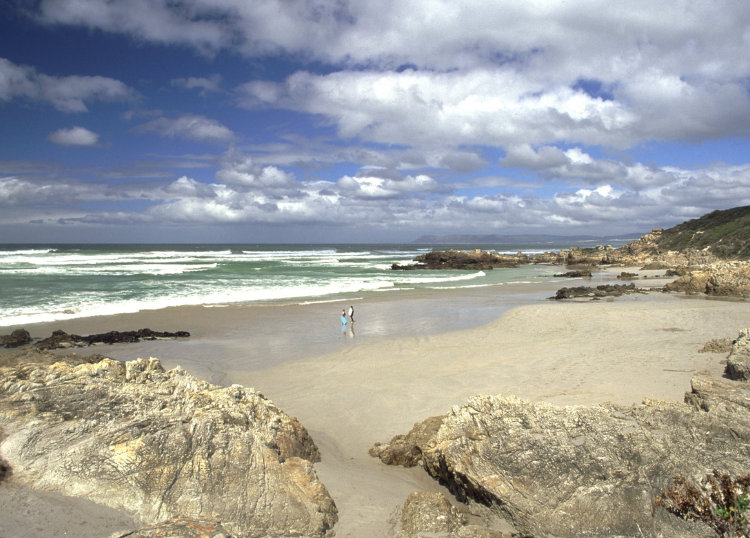
Driving South Africa's coastline gives you impressive views, but walking it changes the experience completely.
On foot, you notice the smaller details: waves breaking against rock shelves, seabirds overhead, paths disappearing through coastal vegetation and the constant shift between beaches, cliffs, forests and sheltered bays.
South Africa offers everything from easy urban promenades to remote multi-day trails where hikers carry their equipment between overnight stops.
Choosing the right walk depends on your fitness, available time, weather conditions and appetite for adventure.
Here are some of the coastal walks worth considering.
Sea Point Promenade, Cape Town
Not every memorable coastal walk needs hiking boots.
Cape Town's Sea Point Promenade provides an accessible route along the Atlantic seaboard with views across the ocean and towards the surrounding mountains.
The promenade is popular with:
- Walkers
- Runners
- Families
- Cyclists
- Dog walkers
It is particularly attractive around sunset, although conditions can become windy.
The route can easily be combined with stops around Sea Point, Mouille Point and Green Point, making it a practical option for travellers who want coastal scenery without leaving the city.
Cape Point and the Cape of Good Hope
The Cape Peninsula offers numerous opportunities to walk through dramatic coastal scenery.
Around Cape Point and the Cape of Good Hope, routes pass through landscapes of fynbos, rocky coastline, beaches and elevated viewpoints.
The combination of mountain slopes and open ocean gives the area a very different character from Cape Town's urban shoreline.
Walkers should prepare for changing weather. Strong wind, heat, cool conditions and mist can all affect the peninsula.
Check current park information, trail access and opening times before setting out.
The Shipwreck Trail at Cape Point
The Cape Point area also contains routes associated with shipwrecks along the peninsula's exposed coastline.
These walks provide an interesting combination of natural scenery and maritime history.
Sections can involve sand, rocky terrain and exposed coastal conditions, so footwear matters even when the route isn't particularly long.
Take enough water and sun protection, and avoid assuming that cool coastal wind means sun exposure isn't a concern.
Chapman's Peak and Noordhoek Coastal Areas
Chapman's Peak is best known for its scenic drive, but the broader Noordhoek and Hout Bay area provides several opportunities for coastal walking.
Long Beach at Noordhoek is particularly appealing for people who prefer a straightforward beach walk.
The wide shoreline and mountain backdrop create a sense of space despite being relatively close to Cape Town.
Beach conditions can change with tides and weather, so remain aware of the sea even on apparently calm days.
Hermanus Cliff Path
Hermanus provides one of the Western Cape's most accessible coastal walking experiences.
The Cliff Path follows sections of the coastline and provides extensive ocean views without requiring a strenuous wilderness hike.
The town is particularly famous for whale watching during the appropriate season.
Depending on timing and conditions, walkers may be able to spot southern right whales from shore.
Even outside whale season, the combination of cliffs, rocky shoreline and ocean makes the path worthwhile.
Walker Bay
The coastline around Walker Bay provides further opportunities for walkers wanting something less urban than central Hermanus.
The wider region includes beaches, dunes, coastal vegetation and protected natural areas.
Some sections are more remote, so research the particular route before starting.
Tides, access conditions and conservation rules may affect where and when you can walk.
De Hoop Nature Reserve
De Hoop Nature Reserve is one of the Western Cape's standout coastal destinations.
The coastline includes:
- White sand
- Dunes
- Rocky platforms
- Fynbos
- Marine habitats
The reserve is also associated with excellent land-based whale watching during whale season.
For hikers wanting a more substantial experience, the area is home to the well-known Whale Trail.
The Whale Trail
The Whale Trail is a multi-day hiking route through De Hoop Nature Reserve.
It combines inland landscapes with dramatic sections of coastline and provides a much more immersive experience than a short day walk.
This isn't a trail to attempt spontaneously.
Bookings, accommodation arrangements, fitness, equipment and current trail conditions all need to be considered.
For those prepared for a multi-day hike, it offers an opportunity to experience a substantial section of protected Western Cape landscape on foot.
Mossel Bay's St Blaize Trail
The St Blaize Trail is one of the Garden Route's well-known coastal walks.
Running along cliffs around the Mossel Bay area, it provides elevated views across the ocean and rugged shoreline.
The route is suitable for travellers looking for something more substantial than a promenade but without committing to a multi-day wilderness hike.
As with any exposed coastal route, weather can make the experience significantly harder.
Take water, wear suitable footwear and confirm current trail information before departure.
Wilderness Beach
Wilderness lives up to its name particularly well when viewed from its long beach.
The shoreline provides an excellent option for travellers who simply want to walk beside the sea without following a formal hiking route.
The surrounding landscape includes forested slopes, lakes, rivers and mountains.
This makes Wilderness particularly useful as a base for travellers who want both coastal walks and inland nature activities.
Be cautious around river mouths and pay attention to changing tides and sea conditions.
Knysna's Coastal Surroundings
Knysna is better known for its lagoon and forest than long uninterrupted coastal walks, but the surrounding area contains several scenic options.
The Knysna Heads provide dramatic coastal views, while nearby beaches and nature areas can be incorporated into shorter walks.
This is a good example of a destination where coastal walking can form part of a broader day rather than being the only activity.
Combine shorter routes with forest walks, viewpoints or time around the lagoon.
Robberg Nature Reserve
Robberg Nature Reserve near Plettenberg Bay is one of South Africa's most rewarding coastal hiking destinations.
The peninsula extends into the ocean and provides dramatic views of beaches, cliffs and surrounding coastline.
Several route options allow visitors to choose a walk suited to their available time and fitness.
Depending on the season and conditions, wildlife sightings may add to the experience.
Robberg is exposed to sun and weather, and some sections can be physically demanding.
Check current route conditions and reserve information before starting.
Nature's Valley
Nature's Valley sits between forested mountains and the Indian Ocean.
Its beach provides easy walking, while the surrounding protected landscape offers access to more substantial hiking routes.
The area feels considerably quieter than many of the Garden Route's larger towns.
For road trippers, it makes an excellent stop between Plettenberg Bay and the Tsitsikamma area.
Even a simple early-morning beach walk can be worth allowing extra time for.
Tsitsikamma and the Storms River Mouth
The coastline around Storms River Mouth is among the most dramatic on the Garden Route.
Dense forest reaches towards a rugged shoreline where waves break against rocky cliffs.
Shorter walking routes around the area provide access to coastal scenery without requiring a multi-day hike.
The famous suspension bridges near the Storms River Mouth are a popular attraction and provide a memorable perspective of the river meeting the sea.
Conditions and access can change, so consult current park information before visiting.
The Otter Trail
The Otter Trail is one of South Africa's best-known multi-day hiking routes.
It follows a rugged section of coastline through the Tsitsikamma area and includes forests, beaches, river crossings and steep terrain.
The trail requires advance planning and appropriate fitness.
River crossings can be particularly important because tides affect when certain sections can be crossed safely.
This is not simply a longer version of a casual coastal walk.
Hikers need to understand the route, tides, equipment requirements and current conditions before setting out.
Port Elizabeth and Gqeberha's Coastal Routes
Gqeberha offers several more accessible coastal walking options around its beaches and waterfront areas.
Travellers who don't want a wilderness hike can walk sections around popular beachfront areas while remaining close to restaurants, accommodation and other facilities.
The wider Eastern Cape coastline also provides more rugged opportunities outside the city.
This makes Gqeberha a useful transition point between the developed Garden Route and more remote coastal destinations further east.
Cape St Francis and St Francis Bay
The coastline around Cape St Francis offers beaches, rocky sections and distinctive coastal scenery.
Walking here can be considerably quieter than in some of the Garden Route's major tourism centres.
The lighthouse area provides a useful focal point, while longer stretches of beach make relaxed walks possible.
The Eastern Cape coastline can be windy, so check conditions before planning a long exposed route.
The Wild Coast
For hikers seeking something considerably more remote, the Wild Coast is in a category of its own.
This Eastern Cape coastline is characterised by:
- Open beaches
- Rolling green hills
- River mouths
- Cliffs
- Rural settlements
- Rocky headlands
Walking here feels very different from following a marked urban promenade or heavily managed day trail.
Distances, river crossings, tides, accommodation and local logistics require careful planning.
Coffee Bay and Hole in the Wall
Coffee Bay is one of the best-known destinations along the Wild Coast.
Walks in the area provide sweeping coastal views and access to the famous Hole in the Wall rock formation.
The landscape of green hills dropping towards the ocean makes the area particularly photogenic.
Visitors unfamiliar with the region may benefit from using reputable local guides for longer walks.
Local knowledge can be valuable for routes, river crossings and community access.
Port St Johns
Port St Johns is surrounded by some of the Wild Coast's most dramatic scenery.
The combination of cliffs, beaches, river landscapes and subtropical vegetation creates numerous opportunities for walking.
Some routes are relatively straightforward, while others enter more remote terrain.
Ask locally about current conditions and suitable routes rather than relying entirely on old online trail descriptions.
Weather and access can change.
Multi-Day Wild Coast Hiking
One of the best ways to experience the Wild Coast is on foot over several days.
Different operators and accommodation providers may support routes between coastal destinations.
A multi-day trip requires planning around:
- Accommodation
- Luggage
- River crossings
- Tides
- Food and water
- Local access
- Fitness
Guided options can simplify logistics and provide useful local context.
KwaZulu-Natal's North Coast
KwaZulu-Natal offers a very different coastal walking environment from the Western and Eastern Cape.
Warmer water, subtropical vegetation and humid conditions create a distinct experience.
Beach walks are possible throughout many coastal destinations, but heat and humidity should be taken seriously.
Early mornings and later afternoons can be more comfortable than walking long exposed stretches around midday.
iSimangaliso Wetland Park
The iSimangaliso region combines coastline with lakes, wetlands, forests and rich biodiversity.
Walking opportunities vary across the protected area, and access rules differ between sections.
Because wildlife may be present, visitors should follow park requirements and avoid treating remote beaches as ordinary recreational walking areas without checking local guidance.
Where walking is permitted, the combination of marine and terrestrial environments makes this one of South Africa's most distinctive coastal regions.
Sodwana Bay
Sodwana Bay is best known for diving, but the coastline also provides opportunities for beach walking.
The warm Indian Ocean and dune-covered coastline create a very different setting from the rocky shores of the Cape.
Sand walking can be surprisingly tiring, particularly in hot and humid weather.
Carry water, use sun protection and avoid walking excessive distances without considering the return journey.
Understand the Tides Before Coastal Hiking
Tides aren't important only for multi-day wilderness trails.
They can affect ordinary beach walks too.
High tide may:
- Cut off sections of beach
- Make river crossings more difficult
- Reduce available walking space
- Increase exposure to waves around rocky areas
Check tide information when planning routes involving narrow beaches, rocky platforms or river mouths.
Never rely solely on the fact that a section was accessible when you walked through earlier.
Coastal Weather Changes Quickly
Conditions along South Africa's coastline can change rapidly.
Depending on the region, walkers may encounter:
- Strong wind
- Heat
- Rain
- Mist
- Cold fronts
- Sudden temperature changes
Check the forecast before leaving, but also carry suitable protection for plausible changes in conditions.
A sunny morning doesn't guarantee a comfortable afternoon.
Take Sun Protection Seriously
Coastal wind can make temperatures feel cooler while you're still receiving significant sun exposure.
For longer walks, consider:
- Sunscreen
- A hat
- Sunglasses
- Suitable clothing
- Enough drinking water
Heat exposure can become particularly serious on long beaches where shade is limited.
Wear Shoes Appropriate to the Route
A promenade and a rugged coastal trail require very different footwear.
For rocky or uneven routes, shoes should provide suitable grip and support.
Beach routes present their own challenges.
Walking several kilometres through soft sand can be more tiring than covering the same distance on a firm path.
Research the terrain rather than judging difficulty purely according to distance.
Don't Underestimate River Crossings
Some remote coastal routes require hikers to cross rivers or estuaries.
Conditions can vary according to rainfall, tides and upstream water levels.
Never assume a crossing is safe because someone completed it under different conditions.
For recognised trails, follow official guidance regarding crossing times and procedures.
For remote routes, reputable local knowledge can be particularly valuable.
Leave Enough Time
Coastal walks often take longer than expected.
You may stop for photographs, encounter difficult sand, wait for conditions to change or simply want to spend longer at a viewpoint.
Avoid planning a route that requires you to rush to finish before darkness.
For remote hikes, conservative timing is especially important.
Respect Protected Coastal Areas
Many of South Africa's most attractive coastal walks pass through national parks, nature reserves and other protected environments.
Follow local rules regarding:
- Trail access
- Permits
- Fires
- Waste
- Wildlife
- Plants
- Dogs
- Camping
Remain on designated routes where required and take your rubbish with you.
These environments remain worth visiting because they are protected.
Choose the Walk That Suits the Trip
You don't need to complete a famous multi-day trail to experience South Africa's coastline on foot.
For an easy urban walk, Sea Point or Hermanus may be enough.
For a half-day hike, Robberg or St Blaize can provide a more demanding experience.
For experienced hikers seeking several days in remote scenery, the Otter Trail, Whale Trail or parts of the Wild Coast offer a completely different undertaking.
The best coastal walk is the one suited to your fitness, time, experience and travel plans.
Final Thoughts
The best coastal walks along South Africa's shoreline show just how varied the country's coast really is.
Cape Town offers accessible oceanfront walking and dramatic peninsula scenery. Hermanus and De Hoop combine cliffs, marine life and protected landscapes. The Garden Route brings forests right to the coast, while the Wild Coast provides a far more remote hiking experience. Further north, KwaZulu-Natal introduces warmer seas, dunes and subtropical vegetation.
Some routes require little more than comfortable shoes and an hour of free time. Others require bookings, specialist equipment, careful tide planning and several days.
Whichever you choose, check current conditions before setting out, respect local access rules and never underestimate the ocean.
Driving the coast shows you how beautiful South Africa's shoreline is. Walking part of it gives you the time to notice why.