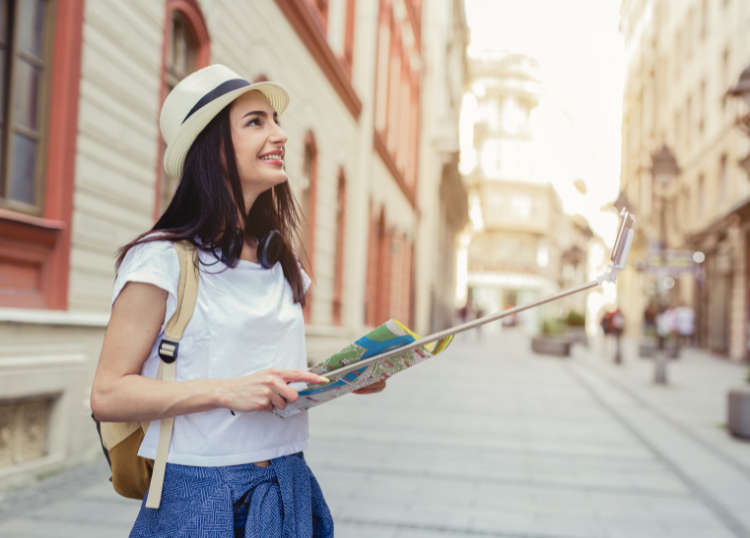

Photography is a natural part of travelling. A photograph can preserve the detail of an old building, the atmosphere of a historic street or a moment that helps someone remember an important experience. At cultural and heritage sites, however, taking pictures involves more than finding an attractive angle.
Many heritage destinations carry historical, spiritual or personal significance for the people connected to them. A museum may preserve objects associated with painful events, a traditional ceremony may have rules about who may attend or record it, and a historic neighbourhood may still be home to families going about their daily lives. These places are not simply backdrops for visitors.
South Africa's cultural heritage is particularly varied, reflecting the country's many communities, languages, traditions and historical experiences. Visitors may encounter archaeological sites, historic buildings, places of worship, memorials, museums, living cultural traditions and landscapes with deep community significance. Each setting calls for a slightly different approach to photography.
Respectful photography does not mean avoiding photographs altogether. It means understanding the setting, recognising when permission is necessary and considering how an image may affect the people and places it represents. A little preparation and awareness can help visitors create meaningful photographs without compromising the experience or dignity of others.
Why Photography Etiquette Matters at Heritage Sites
Heritage sites often exist to preserve something that cannot easily be replaced. This may be a historic structure, an archaeological feature, a collection of cultural objects or a place associated with significant events. Photography can support appreciation of these places, but careless behaviour can interfere with conservation work, visitor experiences and community expectations.
A visitor focused entirely on getting a photograph may unintentionally block a narrow passage, step beyond a protective barrier or interrupt a guided presentation. In other situations, the problem is less physical and more personal. Photographing someone without permission, particularly during a religious or cultural activity, can make them feel that their participation is being treated as a spectacle.
The meaning of an image also matters. A photograph shared without context can misrepresent a tradition, suggest that a historic practice is still universally followed or reduce a complex cultural experience to something visually unusual. Captions and descriptions therefore form part of responsible photography, not merely an afterthought.
Approaching heritage photography with care benefits everyone involved. Visitors can concentrate on understanding what they are seeing, site managers can protect important places, and communities retain greater control over how their traditions and experiences are represented.
Check Photography Rules Before Taking Pictures
The first step at any cultural or heritage site is to establish whether photography is permitted. Rules differ between destinations, and permission to enter a site does not automatically mean permission to photograph everything within it.
Museums may restrict photography in certain galleries because of conservation requirements, copyright considerations, loan agreements or the sensitivity of particular exhibits. Historic buildings may allow photographs in public areas but prohibit them in private rooms or spaces undergoing restoration. Places of worship may have additional restrictions during services or ceremonies.
Visitors should look for signs, review information provided when purchasing tickets and listen to instructions from guides or staff. If the rules are unclear, asking a simple question before taking a photograph is usually the most effective approach. Staff may also explain whether flash, tripods or professional camera equipment are permitted.
It is important to distinguish between personal photography and commercial photography. Some sites allow ordinary visitor photographs but require advance authorisation for advertising, professional shoots, filming or other commercial uses. These arrangements may involve additional conditions, fees or permissions from people appearing in the images.
Following the rules demonstrates respect for the site and avoids unnecessary disagreements. It also helps ensure that photography does not interfere with the site's primary purpose.
Ask Permission Before Photographing People
One of the most important principles of respectful travel photography is recognising that people are not automatically available to be photographed simply because they are in a public or tourist setting.
At cultural attractions, visitors may encounter guides, performers, craftspeople, vendors, religious participants and local residents. Some may be comfortable appearing in photographs, while others may prefer not to be recorded. Their preferences should be respected without pressure or repeated requests.
When a person is the main subject of a photograph, ask permission before taking the picture. This is especially important when photographing children, elders, people participating in cultural activities or individuals whose circumstances may make them vulnerable. For children, appropriate permission from a parent or guardian is important, alongside consideration of the child's own comfort.
Consent should be meaningful rather than assumed. A smile, polite conversation or someone's presence at a tourist attraction does not necessarily indicate agreement to photography. If a person declines, accept the answer and move on.
Permission to take a photograph should also not be confused with permission to publish it. Sharing an identifiable image on social media, using it in promotional material or supplying it to a business may raise additional privacy and consent considerations. Visitors should be particularly careful when images will be used beyond a private holiday album.
Understand the Difference Between Cultural Experiences and Performances
Some cultural attractions offer organised demonstrations, performances or guided experiences specifically intended for visitors. These may include traditional music, dance, craft demonstrations, storytelling or presentations about local history.
Photography may be welcomed during certain parts of these activities, but visitors should still confirm the arrangements. A performance designed for an audience may have different expectations from a ceremony conducted primarily for the community. The fact that an event is visible to visitors does not necessarily make every moment appropriate to record.
It is also important to avoid treating cultural participants as props. Asking someone to repeat a meaningful gesture solely for a photograph, interrupting a presentation or requesting an inappropriate pose can undermine the purpose of the experience. Visitors should allow activities to unfold naturally and photograph only when doing so is permitted.
Where photography is allowed, a respectful approach can produce more meaningful results. Paying attention to the explanation, understanding the significance of the activity and choosing an appropriate moment often leads to photographs that communicate more than a staged image.
Respect Sacred Spaces and Religious Practices
Places of worship and sacred heritage sites require particular sensitivity because their importance extends beyond tourism. A church, mosque, temple, shrine or culturally significant landscape may be a place where people gather for prayer, remembrance or spiritual practices.
Visitors should establish whether photography is permitted before entering sensitive areas. Some places allow photographs of architecture but restrict images of worshippers, sacred objects or ceremonies. Others may prohibit photography entirely, regardless of whether the visitor intends to share the pictures.
Appropriate behaviour also includes keeping noise to a minimum, avoiding disruptive movement and respecting dress requirements. Moving around during a service to find a better angle can be intrusive even when a camera is technically allowed. Flash photography may be especially distracting in quiet or ceremonial settings.
South Africa also has places with spiritual and ancestral significance that may not resemble conventional religious buildings. Natural landscapes, burial grounds and other culturally important locations can carry restrictions or expectations that are not immediately obvious to outsiders.
When uncertain, visitors should seek guidance from the relevant custodian, guide or community representative. Understanding why a restriction exists is more valuable than attempting to find a technical reason to ignore it.
Photograph Historic Buildings Without Damaging Them
Historic architecture offers countless photographic opportunities, from decorative details and traditional construction methods to the relationship between buildings and their surrounding streets. Yet older structures can be vulnerable to damage, particularly where materials have deteriorated or conservation work is underway.
Visitors should remain within designated access areas and avoid climbing onto walls, leaning against fragile features or moving objects to improve a composition. Even seemingly minor contact can contribute to wear when repeated by many people over time. Protective barriers and restricted areas are generally there for a reason.
Tripods, lighting equipment and other accessories may create additional concerns in confined spaces. They can obstruct circulation, increase the risk of accidental contact and interfere with other visitors. Where such equipment is restricted, handheld photography is often a practical alternative.
It is also worth remembering that some heritage buildings remain in everyday use. A historic house, place of business or residential street may be architecturally interesting without being open to the public. Photographing exterior features from an appropriate location is different from entering private property or directing a camera into occupied rooms.
Good architectural photography can communicate the character of a place without requiring physical interference. Attention to light, perspective and surrounding context often produces stronger images than attempting to reach restricted positions.
Be Careful at Archaeological and Environmentally Sensitive Sites
Archaeological sites and cultural landscapes can be particularly vulnerable to visitor activity. Rock art, ancient settlements, burial grounds and other historic features may be damaged by touching, walking over sensitive surfaces or disturbing the surrounding environment.
Photography should always take place from permitted viewing areas. Visitors should not move stones, clear vegetation, touch rock paintings or disturb artefacts to make a photograph easier to capture. Even when an object appears loose or insignificant, its position may be important to the site's historical interpretation.
Flash restrictions should also be respected where they apply. The reasons for photographic controls vary between sites and collections, so visitors should follow the guidance provided rather than making assumptions about what equipment is harmless.
At remote heritage destinations, access may be controlled through guided visits or designated routes. These arrangements can protect fragile features and help visitors understand what they are seeing. Remaining with the guide and following the established route supports both conservation and personal safety.
The most valuable photograph is not necessarily the closest one. Wider images showing a site's relationship to the surrounding landscape can communicate its significance while reducing the temptation to interfere with sensitive features.
Approach Memorials and Difficult History With Sensitivity
Memorials, former prisons, battlefields and museums dealing with violence or injustice require a different approach from recreational tourist attractions. These places may represent loss, suffering, resistance or events that remain deeply personal to individuals and communities.
Photography is not necessarily inappropriate in such settings. Images can help document a visit, support historical understanding and encourage reflection. However, the tone and purpose of the photograph deserve consideration.
Posing playfully at a memorial, using a site associated with suffering as a fashion backdrop or creating humorous social media content in a solemn setting can appear disrespectful. Visitors should consider whether their behaviour is appropriate to the meaning of the place and to others who may be there to remember loved ones or reflect on historical events.
Some exhibitions include photographs, testimonies or personal belongings associated with traumatic experiences. Even where photography is permitted, visitors should think carefully before sharing these materials without context. A brief caption explaining the historical significance of an image may be more responsible than posting it as an isolated visual.
Respectful photography at memorial sites begins with recognising that the experience is not centred solely on the visitor. The people and histories being remembered deserve attention before the camera does.
Photographing Communities and Everyday Cultural Life
Not every culturally significant place is a formal museum or designated heritage attraction. Historic neighbourhoods, markets, community gathering spaces and working craft environments can also provide valuable insights into local culture.
These settings require awareness because they are often places where people live and work rather than locations created primarily for tourism. A market vendor may be trying to serve customers, a craftsperson may be concentrating on detailed work, and residents may simply be going about their day.
Visitors should avoid assuming that ordinary activities are public performances. Taking photographs discreetly does not remove the need for consent when individuals are clearly identifiable or are the main focus of an image. Asking permission and showing genuine interest in the person's work can lead to a more comfortable interaction.
There is also a difference between documenting a place and portraying a community through stereotypes. Focusing exclusively on poverty, unusual clothing or visually dramatic details can create a misleading impression when the wider context is ignored. Thoughtful photography should reflect people and places with dignity rather than reducing them to a single narrative.
Where visitors purchase crafts or participate in guided community experiences, they should follow any photography arrangements established by the organisers. Supporting local businesses and respecting agreed boundaries are both part of responsible cultural tourism.
Consider How Photographs Will Be Shared Online
The responsibilities associated with heritage photography continue after the visit. Social media allows images to reach audiences far beyond the people who were present, which makes context, accuracy and privacy especially important.
Before posting, consider whether the image fairly represents the site and whether identifiable people agreed to that kind of sharing. A photograph taken with permission for personal use may not be suitable for a business advertisement or promotional campaign. Commercial publication can involve additional legal and contractual requirements.
Captions should identify locations and cultural practices accurately wherever possible. Avoid assigning meanings to clothing, objects or ceremonies without reliable information. If a guide or community representative has explained the significance of something, take care not to distort that explanation when summarising it.
Location tagging also deserves consideration. Publicising the exact location of a fragile archaeological feature or a sensitive cultural site may encourage unmanaged visitation. Where access is restricted or the site is vulnerable, it may be more appropriate to identify the broader area rather than publish precise directions.
A photograph can help people appreciate heritage, but the way it is presented influences what viewers understand. Responsible sharing gives the subject the context and dignity it deserves.
Why Listening to Guides Improves Heritage Photography
A knowledgeable guide can make a substantial difference to the quality and meaning of photographs taken at a heritage site. Guides often explain why particular features matter, which areas are sensitive and how visitors should behave during cultural activities.
Listening before taking photographs helps visitors identify details they might otherwise overlook. A building's orientation, a decorative feature or an object displayed in a museum may have significance that is not immediately visible. Understanding that context can influence both the composition of an image and the information included when it is shared.
Guides can also clarify local expectations around photography. They may know which activities can be recorded, when permission is required and whether certain images should remain private. Following this advice helps avoid misunderstandings that could arise from applying the same assumptions to every destination.
It is worth allowing time to experience a site without constantly looking through a camera. Paying attention to explanations, asking appropriate questions and observing the surroundings can make the visit more rewarding. The photographs taken afterwards are often more thoughtful because the visitor understands what they are documenting.
Practical Photography Habits That Show Respect
Respectful photography is easier when it becomes part of normal travel behaviour rather than something considered only after a problem occurs. A few simple habits can make visits more comfortable for everyone.
Before taking out a camera, look for signs and observe how the site is being used. If people are praying, participating in a ceremony or listening to a guide, consider whether photography would interrupt the moment. When someone is likely to become the main subject, ask permission before taking the picture.
Keep equipment manageable and avoid blocking entrances, narrow passages or important viewing areas. At busy attractions, take the photograph and move aside so others can enjoy the same view. Do not rearrange exhibits, touch fragile objects or cross barriers to improve the composition.
Be especially cautious with flash, drones and professional equipment. These may be restricted for reasons involving conservation, privacy, safety or site management. Drone operation also involves aviation rules and may require additional authorisation, so visitors should never assume that an outdoor heritage site is automatically suitable for aerial photography.
Finally, remember that not every experience needs to be recorded. Sometimes putting the camera away is the most appropriate response to the setting.
A Respectful Heritage Photography Checklist
Before photographing a cultural or heritage attraction, consider the following:
- Site rules: Have you checked whether photography is permitted in the relevant area?
- Consent: Have you asked permission before photographing identifiable people?
- Cultural sensitivity: Are there religious, ceremonial or community expectations that affect photography?
- Conservation: Can you take the photograph without touching, moving or damaging historic features?
- Visitor access: Are you staying within designated routes and avoiding restricted areas?
- Equipment: Are flash, tripods, lighting and other accessories permitted?
- Personal privacy: Could the image intrude on someone's private life or expose sensitive information?
- Historical context: Does the photograph represent the place or activity accurately?
- Online sharing: Is the image appropriate to publish, particularly if identifiable people appear in it?
- Commercial use: Have you obtained any additional permissions required for promotional or professional purposes?
These questions do not need to turn photography into a complicated exercise. They provide a practical way to remain aware of the people, places and traditions being photographed.
Final Thoughts
Cultural and heritage sites offer some of the most meaningful photographic opportunities available to travellers. Historic architecture, traditional practices, memorials and cultural landscapes can all provide images that help preserve memories and encourage a deeper appreciation of South Africa's heritage.
The responsibility lies in recognising that these places have significance beyond their visual appeal. Photography should not interfere with ceremonies, compromise personal privacy, damage fragile features or misrepresent the communities connected to a site.
Asking permission, following site rules and listening to local guidance are straightforward ways to show respect. Taking time to understand the historical or cultural context also makes photographs more meaningful, both for the person taking them and for anyone who sees them later.
The best heritage photographs do more than record what a place looks like. They reflect an awareness of why it matters, who it matters to and how visitors can help preserve its significance for the future.