
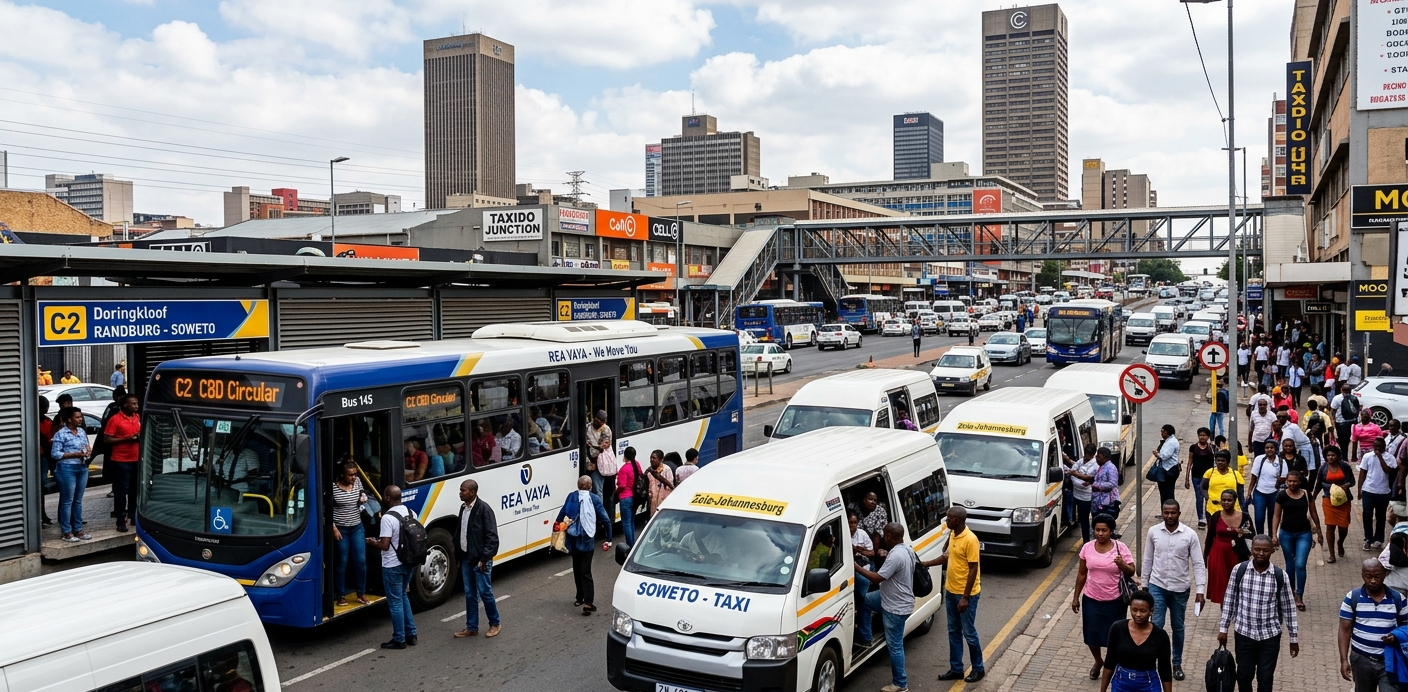
South Africa is one of Africa’s most exciting travel destinations, offering vibrant cities, wildlife adventures, stunning coastlines, and rich cultural experiences. Whether you are visiting Johannesburg, Cape Town, Durban, or Pretoria, understanding the local transport system can make your journey smoother, safer, and more affordable. For international tourists, navigating public transport in South Africa may feel unfamiliar at first, but with the right preparation, it can be convenient and efficient.
This guide covers essential public transport tips for tourists in South Africa, including safety advice, transport options, and practical travel recommendations.
Understand South Africa’s Public Transport System
Unlike some countries with highly integrated public transport systems, South Africa uses a mix of buses, trains, minibus taxis, ride-hailing services, and domestic flights. Public transport quality varies by city and region, so planning ahead is important.
The most commonly used transport options include:
- Ride-hailing apps like Uber and Bolt
- Gautrain rapid rail system
- Municipal buses
- Minibus taxis
- Metered taxis and airport shuttles
Tourists often rely on ride-hailing services and the Gautrain because they are considered safer and easier to navigate.
Use the Gautrain for Fast and Safe Travel
The Gautrain is one of the safest and most reliable transport systems in South Africa. It connects Johannesburg, Pretoria, Sandton, and OR Tambo International Airport.
Benefits of using the Gautrain include:
- Clean and modern stations
- Reliable schedules
- Affordable airport transfers
- Strong security presence
International tourists arriving at OR Tambo International Airport can use the Gautrain to quickly reach major business and tourist areas without dealing with traffic congestion.
Purchase a Gautrain card at stations and load it with credit for multiple trips.
Be Cautious with Minibus Taxis
Minibus taxis are the most widely used public transport option among locals. They are inexpensive and operate on flexible routes throughout cities and townships.
However, tourists should exercise caution because:
- Routes are often not clearly marked
- Drivers may not follow strict schedules
- Communication barriers can occur
- Driving styles can sometimes feel aggressive
If you are unfamiliar with the area, it is generally better to avoid using minibus taxis alone, especially at night. If you want the experience, consider going with a local guide or trusted resident.
Use Ride-Hailing Apps for Convenience
Ride-hailing apps such as Uber and Bolt are very popular in South Africa’s major cities. They are usually affordable compared to many international destinations and provide a safer alternative to hailing taxis on the street.
Tips for using ride-hailing apps safely:
- Confirm the driver’s details before entering the vehicle
- Sit in the back seat when traveling alone
- Avoid sharing ride information publicly
- Wait inside buildings or designated pickup zones
- Avoid requesting rides in isolated areas late at night
Many tourists prefer Uber for airport transfers, nightlife outings, and city exploration.
Avoid Walking Alone at Night
While South Africa offers incredible urban experiences, tourists should remain aware of personal safety, particularly after dark.
Safety recommendations include:
- Use transport instead of walking long distances at night
- Stay in well-lit tourist areas
- Keep valuables out of sight
- Avoid displaying expensive cameras or phones openly
- Travel in groups whenever possible
This advice applies even in busy areas of Johannesburg and Cape Town.
Learn Basic Local Travel Etiquette
Understanding local customs can improve your travel experience and help you interact confidently with drivers and commuters.
Useful etiquette tips include:
- Greet drivers politely
- Keep small cash available
- Respect queues at stations
- Ask hotel staff for trusted transport recommendations
- Be patient during peak traffic hours
South Africans are generally friendly and willing to help tourists with directions and travel advice.
Plan Transport Before Visiting Rural Areas
Public transport options become more limited outside major cities. If you plan to visit game reserves, wine farms, or remote coastal areas, renting a car or booking guided transport may be the best option.
Popular tourist destinations like Kruger National Park and the Garden Route often require private transport arrangements.
Always research transport availability before departure to avoid unexpected delays.
Keep Emergency Numbers Handy
International tourists should save important emergency contacts while traveling in South Africa.
Useful numbers include:
- Emergency services: 112
- Police: 10111
- Ambulance: 10177
Also keep your accommodation contact details and embassy information easily accessible.
Final Thoughts
South Africa offers diverse and exciting travel experiences, and understanding the transport system can help international tourists travel confidently. While public transport varies in quality and accessibility, options like the Gautrain and ride-hailing apps provide safe and convenient ways to explore major cities.
By planning routes carefully, staying aware of your surroundings, and using trusted transport services, you can enjoy everything South Africa has to offer while minimizing travel stress. Whether you are visiting for a safari adventure, cultural tour, or coastal getaway, smart transport choices will make your trip safer, easier, and more enjoyable.


