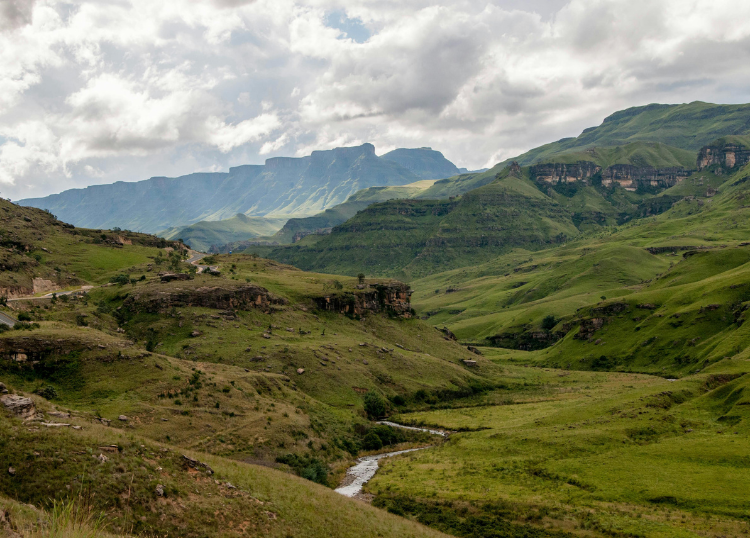
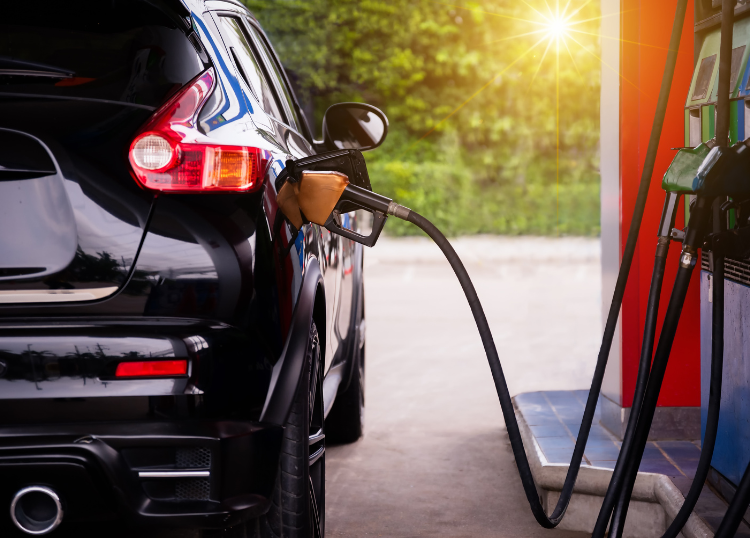
Long-distance road trips offer freedom, flexibility, and the opportunity to see places you might otherwise miss. They can also involve a substantial fuel bill, particularly when covering hundreds or thousands of kilometres.
While you cannot control the price at the pump, you can influence how efficiently your vehicle uses fuel.
Everything from tyre pressure and unnecessary weight to acceleration and cruising speed can affect consumption. Preparing the vehicle properly and adopting smoother driving habits can make a noticeable difference over a long journey.
Check Your Tyre Pressure Before Leaving
Incorrect tyre pressure can increase rolling resistance, meaning the engine has to work harder to keep the vehicle moving.
Before a long trip:
- Check all four tyres when appropriate.
- Don't forget the spare where applicable.
- Use the manufacturer's recommended pressures.
- Adjust pressures for vehicle load if the manufacturer specifies this.
- Inspect tyres for visible damage or excessive wear.
Recommended tyre pressures can usually be found in the owner's manual or on a label inside the vehicle.
Maintain a Steady Speed
Repeated acceleration and braking use more fuel than maintaining a reasonably consistent pace.
On open roads, anticipate traffic conditions ahead and adjust your speed gradually where possible.
Leaving an appropriate following distance can also reduce the need for unnecessary braking and acceleration.
Avoid Aggressive Acceleration
Rapid acceleration requires the engine to produce more power, increasing fuel consumption.
Accelerate progressively rather than pushing the accelerator hard every time you pull away or overtake.
This doesn't mean driving excessively slowly. Smooth, controlled acceleration is the goal.
Watch Your Cruising Speed
Fuel consumption generally increases at higher speeds because the vehicle has to overcome greater aerodynamic resistance.
Even when you're travelling within the legal speed limit, choosing a slightly more moderate cruising speed may reduce fuel consumption.
Always prioritise safe driving and comply with the speed limits applicable to the road.
Use Cruise Control Where Appropriate
Cruise control can help maintain a consistent speed on suitable roads, particularly on relatively flat highways.
However, it isn't necessarily the most efficient option in every situation. On steep or frequently changing terrain, the system may accelerate aggressively to maintain the selected speed.
Use cruise control when road, traffic, and weather conditions make it safe and appropriate.
Remove Unnecessary Weight
The more weight a vehicle carries, the more energy it generally requires to move.
Before leaving home, remove items you don't actually need.
This could include:
- Unnecessary equipment
- Items permanently stored in the boot
- Heavy tools that aren't required
- Excess luggage
You don't need to pack excessively lightly, but carrying unnecessary weight for thousands of kilometres makes little sense.
Think About Roof Racks and Roof Boxes
External accessories can increase aerodynamic drag.
Roof boxes, bicycle racks, and other equipment may be necessary for your trip, but remove unused accessories when they aren't required.
If you do need a roof box or rack, make sure it is fitted correctly and follow the manufacturer's loading instructions.
Plan Your Route Before You Leave
The shortest route isn't always the most fuel-efficient.
Traffic congestion, roadworks, steep terrain, poor road conditions, and frequent stops can all influence fuel consumption.
Before leaving, check:
- Route options
- Expected traffic
- Roadworks
- Fuel stops
- Rest areas
- Road conditions where information is available
Good route planning can also prevent unnecessary detours and backtracking.
Don't Let the Engine Idle Unnecessarily
Leaving the engine running while stationary consumes fuel without moving you any closer to your destination.
If you're stopping for an extended period and it is safe and appropriate to do so, switching off the engine can avoid unnecessary consumption.
Modern vehicles with automatic stop-start systems may already manage short periods of idling under suitable conditions.
Use Air Conditioning Sensibly
Air conditioning can increase the load on the engine and affect fuel consumption.
That doesn't mean you should avoid using it, particularly during hot South African road trips where cabin comfort can help the driver remain focused.
Use climate control sensibly rather than running it unnecessarily at maximum settings.
At higher speeds, driving with windows fully open can also increase aerodynamic drag, so simply switching off the air conditioning and opening every window isn't always the more economical option.
Keep Your Vehicle Properly Maintained
A poorly maintained vehicle may consume more fuel and is also more likely to develop problems during a long journey.
Before a major trip, consider checking:
- Engine oil
- Coolant
- Tyres
- Brakes
- Air filters
- Warning lights
- Battery condition
Follow the manufacturer's recommended servicing schedule and have any existing mechanical problems investigated before travelling.
Combine Fuel Stops With Rest Breaks
Planning stops can reduce unnecessary trips off your route.
Where practical, combine refuelling with:
- Bathroom breaks
- Meals
- Driver changes
- Stretching
- Checking tyres and the vehicle
Regular rest breaks are particularly important on long journeys. Saving fuel should never come at the expense of driver alertness or safety.
Avoid Chasing Small Fuel Savings at the Expense of Safety
Some fuel-saving techniques aren't worth the risk.
Never attempt to save fuel by:
- Following large vehicles too closely
- Coasting unsafely
- Switching off the engine while moving
- Driving excessively slowly for road conditions
- Overinflating tyres
- Avoiding necessary air conditioning when heat affects driver comfort or concentration
Safe driving should always take priority over marginal reductions in fuel consumption.
Monitor Your Fuel Consumption
Many modern vehicles display average or real-time fuel consumption.
These readings can help you understand how different driving habits affect efficiency.
You may notice changes when:
- Accelerating rapidly
- Increasing cruising speed
- Driving uphill
- Carrying heavy loads
- Travelling in congested traffic
Treat the display as a useful guide rather than something that distracts you while driving.
Final Thoughts
Reducing fuel consumption on a long-distance road trip doesn't require complicated driving techniques. Proper tyre pressure, sensible route planning, smooth acceleration, moderate cruising speeds, reduced unnecessary weight, and regular vehicle maintenance can all contribute to more efficient driving.
The biggest gains usually come from consistent habits rather than a single trick. Prepare your vehicle before leaving, drive smoothly, plan sensible stops, and keep safety as the priority throughout the journey. Over hundreds of kilometres, those small improvements can add up to meaningful fuel savings.