
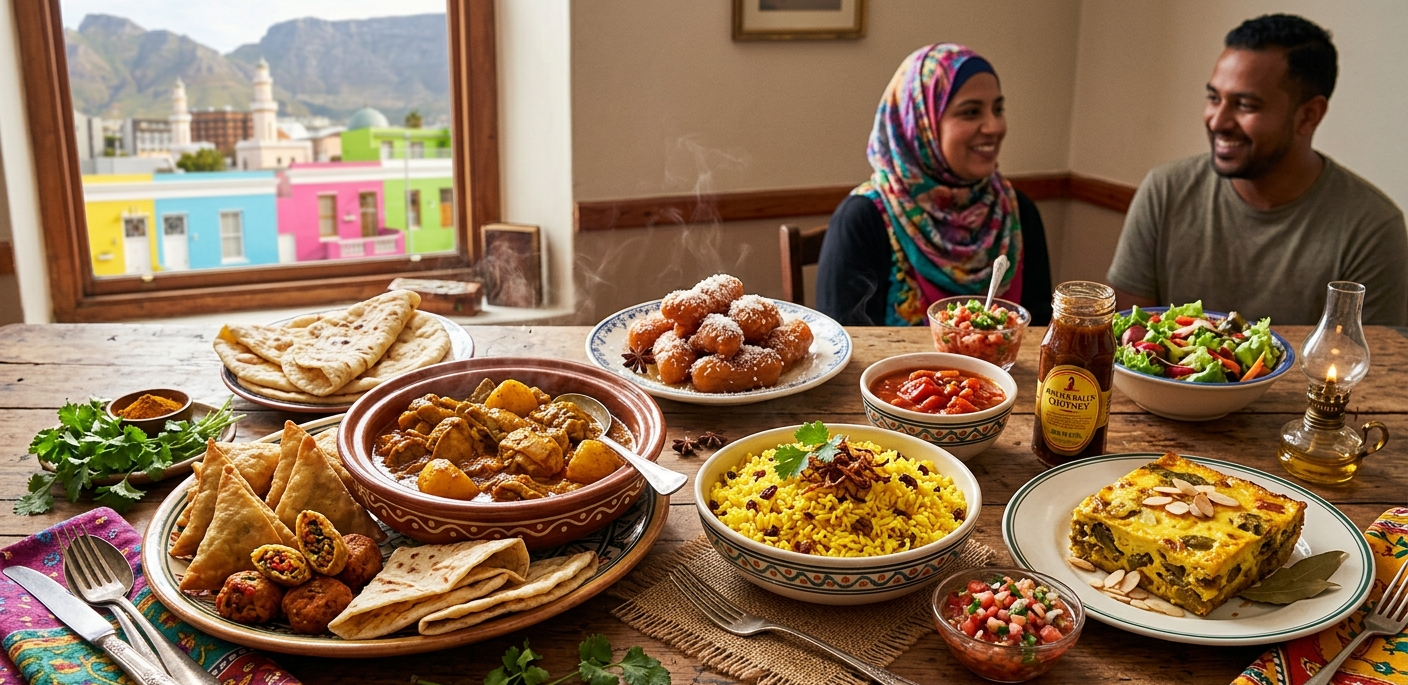
Cape Malay Cuisine: A Unique Cultural Experience in South Africa
South Africa is known for its breathtaking landscapes, wildlife adventures, and diverse cultures, but one of its most unforgettable travel experiences is found on the plate. Cape Malay cuisine, deeply rooted in the history of Cape Town, offers visitors a flavorful journey through centuries of cultural fusion. Rich in spices, tradition, and storytelling, Cape Malay food has become one of the country’s most celebrated culinary treasures.
For travelers exploring Cape Town, discovering Cape Malay cuisine is more than simply tasting local dishes — it is an opportunity to connect with a vibrant cultural heritage that continues to shape South African identity today.
The Origins of Cape Malay Cuisine
Cape Malay cuisine traces its origins back to the 17th century when enslaved people and political exiles from Indonesia, Malaysia, India, and East Africa were brought to the Cape by Dutch colonists. Over time, these communities blended their culinary traditions with local South African ingredients, creating a unique style of cooking that is both aromatic and deeply comforting.
The Cape Malay community settled largely in the Bo-Kaap neighborhood of Cape Town, an area famous for its colorful houses, cobblestone streets, and strong Islamic heritage. Today, Bo-Kaap remains the cultural heart of Cape Malay traditions and one of the best places for tourists to experience authentic local cuisine.
What Makes Cape Malay Food Unique?
Cape Malay cuisine is known for its balanced use of spices rather than overwhelming heat. Common ingredients include cinnamon, turmeric, coriander, cardamom, cloves, ginger, and chili. These spices create dishes that are fragrant, mildly sweet, and layered with flavor.
Unlike many spicy cuisines around the world, Cape Malay cooking emphasizes warmth and depth rather than intense burn. The result is food that appeals to a wide range of palates while still offering bold and memorable tastes.
Another defining feature is the blending of sweet and savory elements. Dried fruit, chutneys, and subtle sweetness are often incorporated into meat and rice dishes, giving Cape Malay food its signature flavor profile.
Traditional Cape Malay Dishes to Try
One of the most famous Cape Malay dishes is bobotie, a baked dish made with spiced minced meat topped with an egg-based custard. Often served with yellow rice, raisins, and chutney, bobotie is widely regarded as one of South Africa’s national dishes.
Another local favorite is bredie, a slow-cooked stew typically prepared with lamb, tomatoes, and warming spices. Samoosas, similar to Indian samosas, are also popular snacks filled with spicy meat, cheese, or vegetables.
Seafood plays an important role in Cape Malay cooking as well. Pickled fish is traditionally eaten during Easter celebrations and reflects the community’s coastal heritage.
For dessert lovers, koesisters are a must-try treat. Unlike the American-style doughnut, Cape Malay koesisters are spicy, syrupy pastries flavored with cinnamon, cardamom, and ginger before being rolled in coconut.
The Cultural Importance of Food
Cape Malay cuisine is closely tied to family, faith, and community gatherings. Recipes are often passed down through generations, preserving culinary traditions that date back centuries.
Food also plays a central role during Islamic celebrations such as Ramadan and Eid, where families prepare large meals to share with relatives and neighbors. Hospitality is considered an important cultural value, and visitors are often welcomed warmly into Cape Malay homes and restaurants.
Cooking methods and recipes are not only about flavor but also about storytelling and preserving identity. Every dish reflects the resilience and creativity of communities who transformed hardship into a rich cultural legacy.
Experiencing Cape Malay Cuisine in Cape Town
Travelers visiting Cape Town can experience Cape Malay cuisine in many ways. Guided food tours through Bo-Kaap offer opportunities to sample traditional dishes while learning about local history and culture.
Cooking classes have also become increasingly popular among tourists who want a hands-on experience. Visitors can learn how to prepare authentic curries, fold samoosas, and blend spices using traditional techniques.
Several family-owned restaurants in Cape Town specialize in Cape Malay food, offering home-style meals that showcase authentic recipes and local hospitality. Dining in Bo-Kaap often feels less like eating at a restaurant and more like being invited into someone’s home.
Why Cape Malay Cuisine Matters to South African Tourism
Food tourism continues to grow worldwide, and Cape Malay cuisine has become one of South Africa’s standout culinary attractions. Travelers today increasingly seek authentic cultural experiences, and Cape Malay food provides a meaningful connection to the country’s diverse heritage.
Beyond tourism, the cuisine also highlights South Africa’s multicultural identity and demonstrates how different traditions can blend to create something entirely unique.
For many visitors, tasting Cape Malay dishes becomes one of the most memorable parts of their South African journey.
Final Thoughts
Cape Malay cuisine is far more than a collection of flavorful dishes — it is a living expression of history, culture, and community in South Africa. From fragrant curries and slow-cooked stews to sweet koesisters and vibrant food markets, every meal tells a story of resilience and cultural fusion.
For travelers exploring Cape Town, experiencing Cape Malay cuisine offers a deeper understanding of South Africa’s rich diversity and culinary creativity. Whether enjoyed during a cooking class, a local food tour, or a traditional family meal, Cape Malay food remains one of the country’s most unique and rewarding cultural experiences.


