
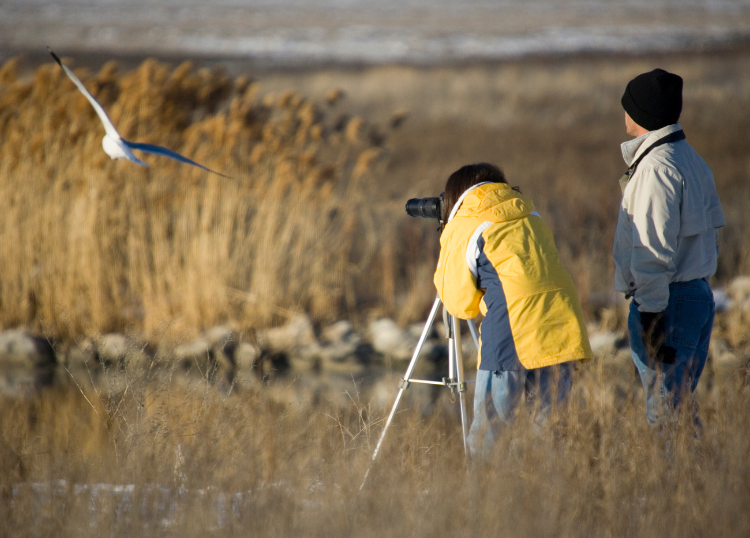
South Africa is recognised as one of the world's premier birdwatching destinations, with more than 850 recorded bird species found across an impressive variety of habitats. Although places like the Kruger National Park and other well-known reserves receive much of the attention, outstanding birdwatching can also be found in many lesser-known locations.
From coastal wetlands and indigenous forests to mountain valleys and estuaries, these destinations offer rewarding experiences for both experienced birders and casual nature enthusiasts.
Wakkerstroom, Mpumalanga
Often regarded as one of South Africa's top birding destinations, Wakkerstroom remains surprisingly peaceful compared to larger wildlife reserves.
Birdwatchers visit the area to enjoy:
- Wetland bird species
- Grassland specialists
- Scenic bird hides
- Guided birding tours
- Beautiful mountain landscapes
The variety of habitats makes every season worth visiting.
Strandfontein Nature Reserve, Western Cape
Located close to Cape Town, this wetland reserve attracts an impressive diversity of resident and migratory birds.
Visitors may encounter:
- Flamingos
- Pelicans
- Herons
- Ducks
- Waders
- Raptors
Its accessible roads and bird hides make it suitable for both beginners and experienced birdwatchers.
Marievale Bird Sanctuary, Gauteng
Just a short drive from Johannesburg, Marievale offers excellent birdwatching throughout the year.
Highlights include:
- Extensive wetlands
- Bird hides
- Waterbirds
- Migratory species
- Photography opportunities
It provides a convenient escape for urban birdwatchers seeking a day trip.
Mkhombo Nature Reserve, Free State
Situated along the Vaal River, Mkhombo combines open water, grasslands, and riverine habitat.
Bird enthusiasts can enjoy sightings of:
- Fish eagles
- Kingfishers
- Waterfowl
- Storks
- Herons
The peaceful setting also makes it an enjoyable destination for boating and fishing.
Dlinza Forest Nature Reserve, KwaZulu-Natal
This indigenous forest is known for its elevated boardwalk, offering unique opportunities to observe forest birds at canopy level.
The reserve is home to:
- Narina trogons
- Turacos
- Woodpeckers
- Flycatchers
- Sunbirds
The forest environment provides a completely different birdwatching experience from open savannahs.
Verloren Valei Nature Reserve, Mpumalanga
This protected high-altitude reserve supports rare grassland and wetland bird species.
Visitors appreciate:
- Quiet walking trails
- Mountain scenery
- Sensitive wetland ecosystems
- Seasonal wildflowers
- Excellent bird photography opportunities
Access is controlled, helping preserve the reserve's natural character.
iSimangaliso Wetland Park's Lesser-Visited Areas, KwaZulu-Natal
While parts of iSimangaliso are well known, several quieter sections offer exceptional birdwatching away from the busiest visitor areas.
Depending on the habitat, birders may see:
- Waterbirds
- Raptors
- Kingfishers
- Bee-eaters
- Waders
- Shorebirds
The combination of lakes, estuaries, forests, and coastal environments supports remarkable biodiversity.
Prepare for a Successful Birdwatching Trip
A little preparation can greatly improve your experience.
Consider bringing:
- Binoculars
- A field guide
- A camera with a telephoto lens
- Comfortable walking shoes
- Sun protection
- Drinking water
Early mornings and late afternoons are often the most productive times for birdwatching.
Respect Wildlife and Habitats
Responsible birdwatching helps protect the environments that support these remarkable species.
Good practices include:
- Keeping a respectful distance from birds.
- Staying on designated paths.
- Avoiding loud noises.
- Never disturbing nests.
- Taking litter home.
- Following reserve regulations.
Respectful behaviour helps ensure these habitats remain healthy for future generations.
Final Thoughts
South Africa's birdlife extends far beyond its famous national parks. Wetlands, forests, mountain reserves, and quiet estuaries across the country provide exceptional birdwatching opportunities with fewer crowds and a chance to experience a wide variety of habitats. Whether you're an experienced birder or simply enjoy spending time in nature, these lesser-known destinations offer memorable encounters with some of South Africa's most remarkable bird species.