
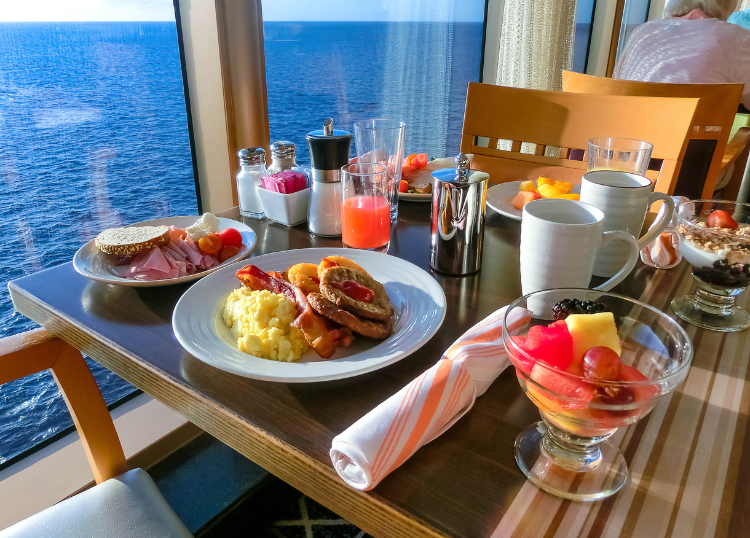
For many years, luxury tourism was closely associated with familiar markers: five-star hotels, premium flights, fine dining, private transfers, and high levels of service.
Those things still matter, but the definition of luxury is becoming more personal.
One traveller may want a private safari with a specialist wildlife guide. Another may value complete privacy at a remote villa. Someone else may want a food-focused itinerary built around local restaurants, markets, farms, and wineries.
Increasingly, luxury isn't defined only by how much something costs. It is also defined by how closely the experience fits the person taking the trip.
Personalisation Starts Before the Holiday
A personalised journey begins long before the traveller arrives at the destination.
Rather than selecting a standard itinerary, travellers can increasingly shape trips around factors such as:
- Personal interests
- Preferred pace
- Dietary requirements
- Family needs
- Accessibility
- Previous travel experiences
- Special occasions
This changes the role of travel planning.
Instead of simply deciding where someone should stay and what they should see, the process starts with understanding how they actually want to spend their time.
Travellers Want More Control Over Their Time
Time has become an important form of luxury.
A tightly scheduled itinerary may include impressive experiences but leave travellers feeling as though they're constantly moving from one appointment to another.
Personalised travel can allow for:
- Later starts
- Longer stays
- Unscheduled afternoons
- Flexible meal times
- Changes according to weather
- More time at favourite places
For some travellers, having control over the pace of a holiday is more valuable than fitting another attraction into the day.
Private Experiences Are Becoming More Important
Privacy has long been associated with luxury travel, but it now extends beyond accommodation.
Travellers may choose:
- Private game drives
- Personal guides
- Private dining
- Exclusive excursions
- Chartered transport
- Private villas
- Secluded outdoor experiences
The attraction isn't necessarily exclusivity for its own sake.
Private experiences can provide greater flexibility, allow activities to match individual interests, and create opportunities for families or groups to spend uninterrupted time together.
Specialist Guides Can Transform a Trip
A knowledgeable guide can turn a good experience into a memorable one, particularly when their expertise matches the traveller's interests.
A general sightseeing tour might become a specialist experience focused on:
- Architecture
- History
- Photography
- Birds
- Wildlife
- Food
- Wine
- Art
- Archaeology
This depth of knowledge allows travellers to engage with a destination according to what genuinely interests them.
For luxury tourism providers, matching the right guide with the right guest can be just as important as the destination itself.
Accommodation Is Becoming More Personal
Luxury accommodation is also moving beyond standardised service.
Guests increasingly value properties that can respond to individual preferences.
Depending on the accommodation, personalisation might involve:
- Room or villa preferences
- Dietary requirements
- Private dining
- Activity planning
- Family arrangements
- Wellness treatments
- Transfers
- Special occasions
The strongest service often feels effortless because arrangements have been made before the guest needs to ask.
Food Is an Important Part of Personalisation
Dining preferences vary enormously between travellers.
Some want formal multi-course meals. Others would rather eat around a fire after a game drive or visit a neighbourhood restaurant known primarily to locals.
Personalised culinary travel might include:
- Private chefs
- Market visits
- Wine tastings
- Farm visits
- Cooking experiences
- Restaurant reservations
- Dietary-specific menus
Rather than assuming every luxury traveller wants the same dining experience, providers can respond to how guests actually like to eat.
Families Need a Different Kind of Luxury
Luxury family travel presents its own set of requirements.
Parents may value experiences that allow adults and children to enjoy the same destination in different ways.
Personalisation might involve:
- Age-appropriate activities
- Flexible meal times
- Interconnecting accommodation
- Child-friendly guides
- Private transport
- Shorter excursions
- Babysitting services where available
For families, convenience and flexibility can be far more valuable than formality.
Multi-Generational Travel Requires Flexibility
Trips involving grandparents, parents, teenagers, and younger children can be difficult to plan around a fixed programme.
Different generations may have different interests, mobility requirements, energy levels, and expectations.
A personalised itinerary can allow part of the group to spend the morning hiking while others choose a scenic drive, spa treatment, cultural activity, or relaxed morning at the accommodation.
Everyone can share parts of the holiday without being required to do everything together.
Wellness Travel Is Becoming More Individual
Wellness means different things to different people.
For one traveller, it may involve spa treatments and yoga. For another, it could mean hiking, nutritious meals, uninterrupted sleep, or simply spending several days somewhere quiet.
Personalised wellness experiences may take into account:
- Activity levels
- Dietary preferences
- Sleep
- Fitness
- Spa treatments
- Time outdoors
- Desired levels of privacy
This allows wellness travel to feel less like a fixed programme and more relevant to the individual.
Technology Can Support Better Personalisation
Technology allows travel providers to record preferences, communicate with guests, manage itineraries, and make changes more efficiently.
Used appropriately, it can help providers remember details such as:
- Dietary preferences
- Room requirements
- Previous stays
- Activity interests
- Communication preferences
However, technology shouldn't make luxury hospitality feel automated.
The value comes from using information to provide more thoughtful human service rather than replacing personal interaction.
Personalisation Shouldn't Feel Intrusive
There is an important difference between attentive service and excessive data collection.
Travellers should understand when personal information is being collected and how it will be used.
Luxury providers need to balance personalisation with:
- Privacy
- Appropriate consent
- Data security
- Discretion
Remembering that a returning guest prefers a particular room can be useful. Making assumptions based on unnecessary personal data can have the opposite effect.
Local Experiences Can Make Luxury Travel More Meaningful
Personalisation is also encouraging travellers to look beyond conventional luxury environments.
A memorable day may involve visiting a family-owned winery, spending time with a specialist conservation guide, eating at a small local restaurant, or learning from an artisan.
The value comes from relevance, access, and quality rather than simply expense.
Responsible partnerships with local businesses and communities can also help ensure that tourism spending reaches more of the people who make a destination distinctive.
Repeat Guests Expect Recognition
Returning travellers often expect a property or travel provider to remember reasonable preferences from previous visits.
This might be as simple as knowing:
- Preferred room type
- Favourite activities
- Dietary requirements
- Previous destinations
- Travel pace
Recognition can make repeat guests feel that their previous relationship with the provider matters.
The key is subtlety. Good personalisation should make the experience easier rather than constantly reminding guests that information about them has been stored.
Luxury Is Becoming Less Standardised
One of the biggest changes in luxury tourism is the declining importance of a single definition of what a premium holiday should look like.
A remote cabin can feel more luxurious than a large hotel if privacy is the priority. A private wildlife guide may be valued more highly than an elaborate room. An unhurried afternoon may matter more than another scheduled excursion.
This makes luxury increasingly subjective.
Travel providers therefore need to understand the individual before deciding what constitutes a premium experience.
Final Thoughts
Personalised travel is changing luxury tourism by shifting attention from standard packages towards experiences designed around individual preferences, interests, and priorities.
Accommodation quality and excellent service remain important, but travellers increasingly value privacy, flexibility, knowledgeable guides, thoughtful details, and control over how they spend their time.
The result is a more individual definition of luxury. Rather than providing every guest with the same premium experience, successful personalised travel considers what will make a particular journey meaningful for the people actually taking it.